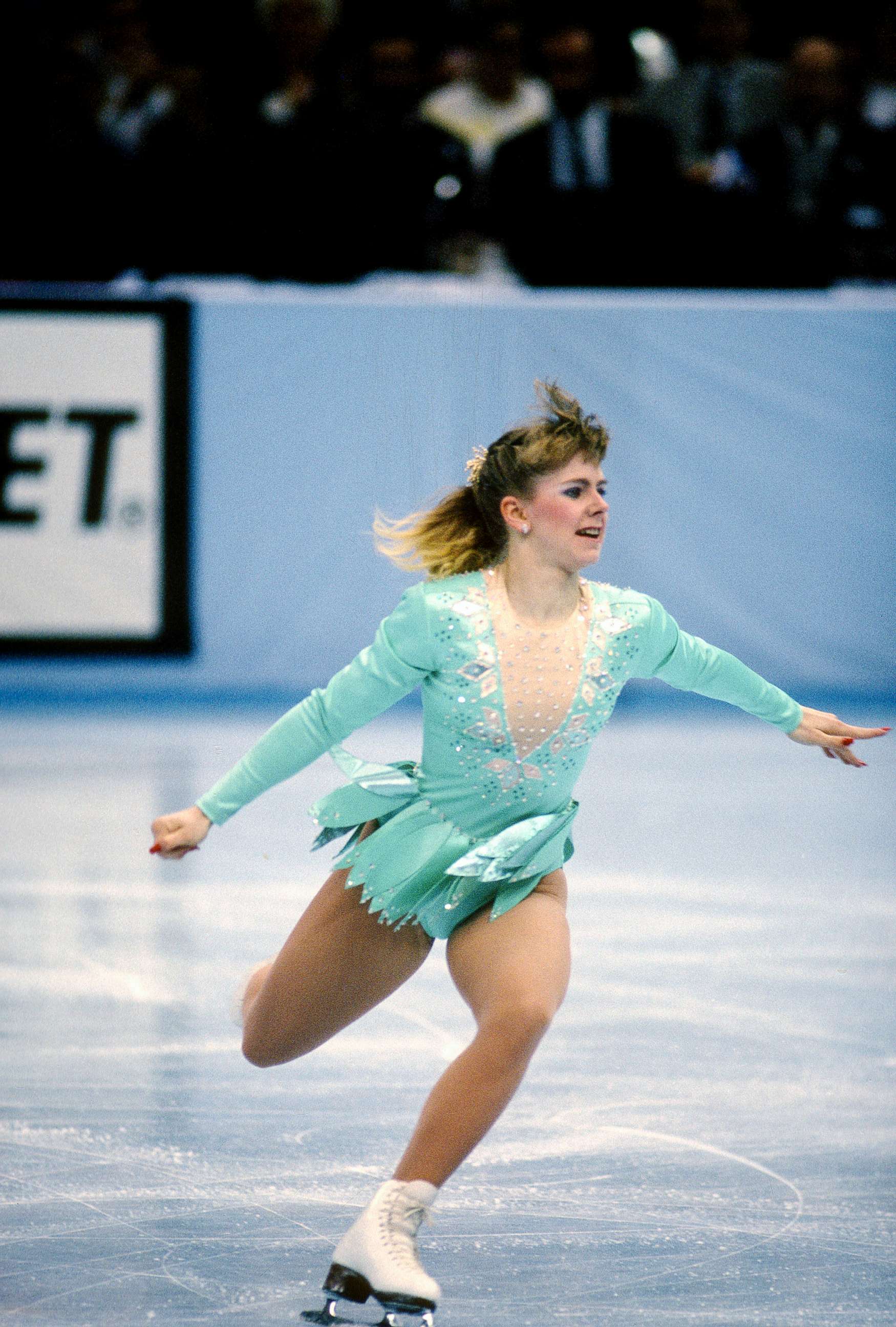
Tonya Harding has an estimated net worth of $150,000. For decades, public fascination has followed her trajectory from a pioneering American figure skater to a central figure in one of sports history's most infamous scandals, and eventually into a life away from the competitive spotlight. While popular culture often assumes that high-profile athletes retain lasting fortunes, Harding's financial reality reflects a turbulent career, legal fees, and a long journey of post-skating reinvention.
Understanding her financial standing requires looking past the tabloid headlines. Her money didn't come from massive global endorsement deals or modern multi-million dollar athletic contracts. Instead, her income spans competitive skating prizes, a brief professional boxing career, reality television appearances, and a modest payout from the biographical film her life inspired.
The Early Skating Years and Amateur Sports Economics
Long before the 1994 Winter Olympics, Harding grew up in a working-class household in Portland, Oregon. Ice skating is an exceptionally expensive sport, requiring thousands of dollars annually for ice time, custom skates, coaching, and elaborate costumes. Her mother worked multiple jobs to fund these early expenses, putting immense financial and emotional pressure on the young athlete.
During the late 1980s and early 1990s, amateur sports operated under strict strictures regarding compensation. Unlike today's NIL deals or modern Olympic sponsorships, skaters back then received little cash for winning amateur competitions. Harding made history in 1991 by becoming the first American woman to land a triple axel in international competition, winning the U.S. Figure Skating Championships and placing second at the World Championships.
Yet, athletic glory didn't translate into immediate wealth. Prize money for amateur skating competitions was relatively modest, and skaters relied heavily on corporate sponsorships. Because of her rough-around-the-edges public persona and lack of traditional polish, major corporate sponsors largely steered clear, preferring athletes with a more conventional image.
The 1994 Scandal and Lifetime Ban
The financial turning point of Harding's life occurred in January 1994, when her competitor Nancy Kerrigan was attacked during the U.S. Figure Skating Championships in Detroit. Investigations soon tied Harding's ex-husband, Jeff Gillooly, and her bodyguard to the plot.
While Harding maintained that she had no prior knowledge of the attack, she pleaded guilty to conspiracy to hinder prosecution in June 1994. The legal fallout was swift and devastating:
- She received three years of probation, 500 hours of community service, and a $160,000 fine.
- The U.S. Figure Skating Association stripped her of her 1994 national title.
- She was handed a lifetime ban from competitive figure skating, destroying her primary source of future income and earning potential.
Legal fees drained whatever savings she had accumulated during her peak athletic years. Overnight, her ability to earn a living in the only field she knew vanished completely.
Post-Skating Hustles: Boxing, Reality TV, and Odd Jobs
Stripped of her skating eligibility, Harding had to find alternative ways to support herself. Her post-skating financial life became a patchwork of unconventional jobs.
In the early 2000s, she stepped into the Celebrity Boxing ring, fighting women such as Paula Jones on televised special events. While these bouts brought in short-term paydays, professional boxing at that level didn't secure long-term financial stability. She also worked a variety of regular jobs to pay the bills, including stints welding, painting metal, and working at hardware stores.
Television offered occasional windfalls. She appeared on various reality programs and talk shows over the years, capitalizing briefly on nostalgic or morbid public curiosity. A major highlight came in 2018 when she competed on Dancing with the Stars, finishing in third place. That appearance brought a much-needed financial bump and returned her to mainstream living rooms in a more sympathetic light.
The Impact of I, Tonya on Her Finances
In 2017, the biographical dark comedy film I, Tonya, starring Margot Robbie, brought her life story back into global prominence. The film grossed over $53 million worldwide and earned critical acclaim, even securing an Academy Award win for Allison Janney.
Despite the film's commercial success, Harding's direct financial gain from it was surprisingly small. Reports indicate she was paid roughly $1,500 upfront to license her life rights, alongside some performance-based incentives. More valuable than the initial check, however, was the cultural shift the movie sparked. It forced the public to re-examine the systemic pressures, domestic abuse, and media cruelty she faced as a young woman, helping rehabilitate her public image and opening doors to minor media opportunities.
Financial Reality Today
Managing a net worth around $150,000 means living a quiet, modest life far removed from the glitz of Hollywood or professional sports. Harding largely stepped away from the public eye in recent years, focusing on her family and private life in Washington state.
Her financial journey serves as a cautionary tale about the volatility of fame, the heavy toll of legal battles, and the stark financial vulnerabilities of athletes who peak before modern sports monetization and mental health support systems existed. Without a traditional retirement pension from competitive skating, her financial security relies on careful budgeting and everyday labor.
Frequently Asked Questions
What is Tonya Harding's main source of income today?
She keeps a low profile and relies on private savings, occasional media appearances, and residual public interest rather than a single corporate salary.
Did Tonya Harding keep any of her skating medals or titles?
No. Following her 1994 guilty plea and subsequent U.S. Figure Skating Association ban, she was stripped of her titles, including her 1994 U.S. Championship. You can read more about her athletic history via the U.S. Olympic and Paralympic Museum.
How much did Tonya Harding make from I, Tonya?
She received a modest upfront rights fee of approximately $1,500 plus minor performance incentives, rather than a massive cut of the box office profits.
Why was Tonya Harding banned for life?
The ban was issued by the U.S. Figure Skating Association after she admitted to conspiring to hinder the prosecution of individuals involved in the attack on Nancy Kerrigan. Details regarding sports governance can be explored through Olympics.com.



