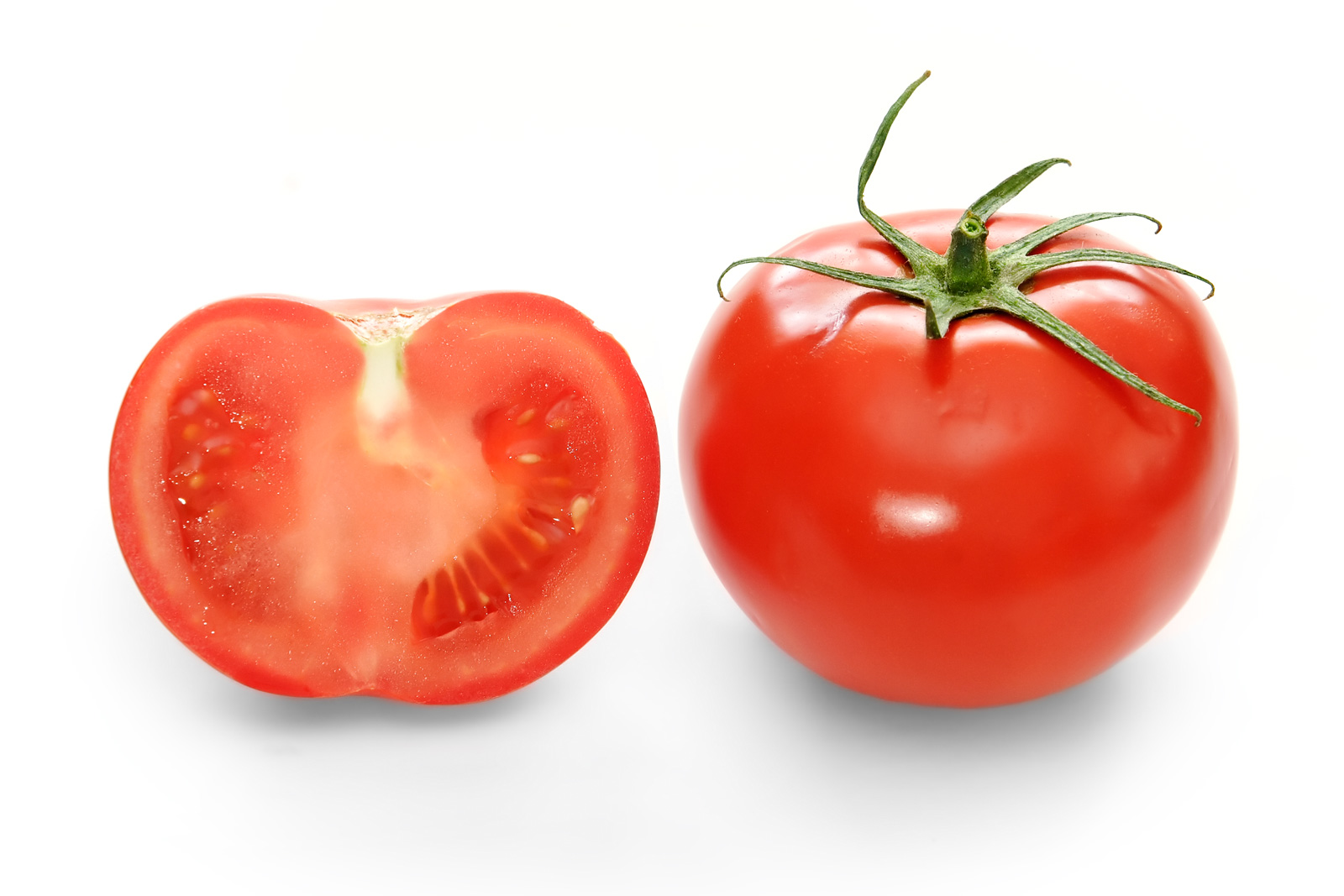
When you're out of tomatoes or managing a nightshade allergy, finding the right tomato sauce substitutes is essential for keeping weeknight dinners on track. Tomato sauce provides a unique combination of sweet fruitiness, natural acidity, and deep umami that anchors everything from pasta bakes to slow-simmered stews. Replicating that specific balance requires matching both the acid and the body of the original ingredient.
The primary intent behind searching for a tomato alternative is practical problem-solving: how to save a recipe when your pantry falls short. Whether you're cooking for dietary restrictions or experimenting with new flavor profiles, understanding how to balance acidity, sweetness, and thickness will help you build a delicious meal from scratch.
Direct Pantry Swaps for Quick Dinners
When you need a 1:1 replacement in a pinch, your pantry likely holds several viable options. Each option brings distinct characteristics to your dish, requiring minor adjustments to salt, acid, or liquid content.
- Canned Pumpkin Puree: Unsweetened pumpkin puree mimics the thick, velvety texture of tomato puree. Because pumpkin lacks natural acidity, you'll need to add a splash of lemon juice or apple cider vinegar to mimic the brightness of tomatoes.
- Roasted Red Pepper Blend: Charred and blended red peppers deliver a sweet, vibrant base that works exceptionally well in pasta dishes. Balance their natural sweetness with a dash of red wine vinegar or balsamic vinegar.
- Nomato Sauce: A popular commercial or homemade blend usually made from roasted carrots, beets, onions, celery, and garlic. It mimics the deep savory color and consistency of marinara without nightshades.
Building Umami Without Tomatoes
Tomatoes get much of their savory depth from naturally occurring glutamates. If you're replacing them with neutral vegetables like squash or carrots, you have to build that savory baseline manually.
Start by sauteing your aromatics—onions, celery, and garlic—in olive oil until deeply caramelized. Browning the vegetables concentrates their sugars and creates a rich foundation. To elevate the umami, stir in a spoonful of tomato paste if nightshades aren't an issue, or reach for alternatives like white miso paste, soy sauce, or nutritional yeast.
Miso adds an earthy, fermented depth that instantly compensates for the absence of tomatoes in stews and braises. A single tablespoon whisked into vegetable broth creates an instant flavor base. Similarly, finely minced mushrooms sauteed until golden brown release deep savory notes that hold up well under long simmering times.
Matching Texture and Consistency
Texture determines how well a sauce clings to pasta or thickens a stew. Watery substitutes will leave your dish running thin unless you account for reduction time or thickening agents.
If you're using pureed squash, pumpkin, or roasted root vegetables, the natural starches will help the sauce cling naturally. For thinner substitutes like vegetable broth combined with pureed beans, let the sauce simmer uncovered for ten to fifteen minutes to reduce excess moisture.
- For creamy applications: Stir in cashew cream, coconut milk, or silken tofu during the final minutes of cooking.
- For rustic textures: Blend half of your cooked vegetable base and leave the other half chunky to mimic a traditional marinara texture.
- For glossy finishes: Finish the sauce off-heat with a pat of butter or a swirl of high-quality olive oil to give it a rich mouthfeel.
According to guidelines from the USDA Food Safety and Inspection Service, proper storage of open purees and homemade vegetable bases is crucial for food safety, so ensure any leftover purées are refrigerated promptly or frozen in portions.
Adjusting Acidity and Brightness
The most common mistake when swapping tomato sauce is forgetting the acid. Tomatoes are naturally acidic, which cuts through heavy fats in cheese and meat dishes. Without that brightness, substitute sauces often taste flat or heavy.
Always taste your sauce near the end of cooking and test for balance. If it tastes dull, add acid a few drops at a time.
- Lemon or Lime Juice: Best for bright, fresh sauces and quick weeknight sautés.
- Apple Cider Vinegar: Adds a crisp, fruity tang that pairs wonderfully with root vegetable purees.
- Balsamic Vinegar: Imparts both acidity and a touch of sweetness, ideal for hearty grain bowls and rich pasta dishes.
Frequently Asked Questions
Can I use ketchup as a direct substitute for tomato sauce?
Ketchup works in a pinch for simple barbecue bases or sloppy joes, but its high sugar and vinegar content will overpower standard Italian pasta dishes. If you must use ketchup, dilute it slightly with water and reduce the added sugar in your recipe.
How do I thicken a watery vegetable substitute?
You can simmer the sauce uncovered to let excess moisture evaporate, or stir in a slurry made from one tablespoon of cornstarch mixed with two tablespoons of cold water.
Are nightshade-free substitutes completely flavorless?
Not at all. While commercial nomato sauces rely on sweet root vegetables, you can customize homemade alternatives with roasted garlic, smoked paprika, and fresh herbs like basil and oregano to recreate a classic flavor profile.
How long do homemade vegetable sauce bases last in the fridge?
Stored in an airtight container, most vegetable-based purees will keep safely for three to four days. For longer storage, freeze the mixture in silicone trays for up to three months.


