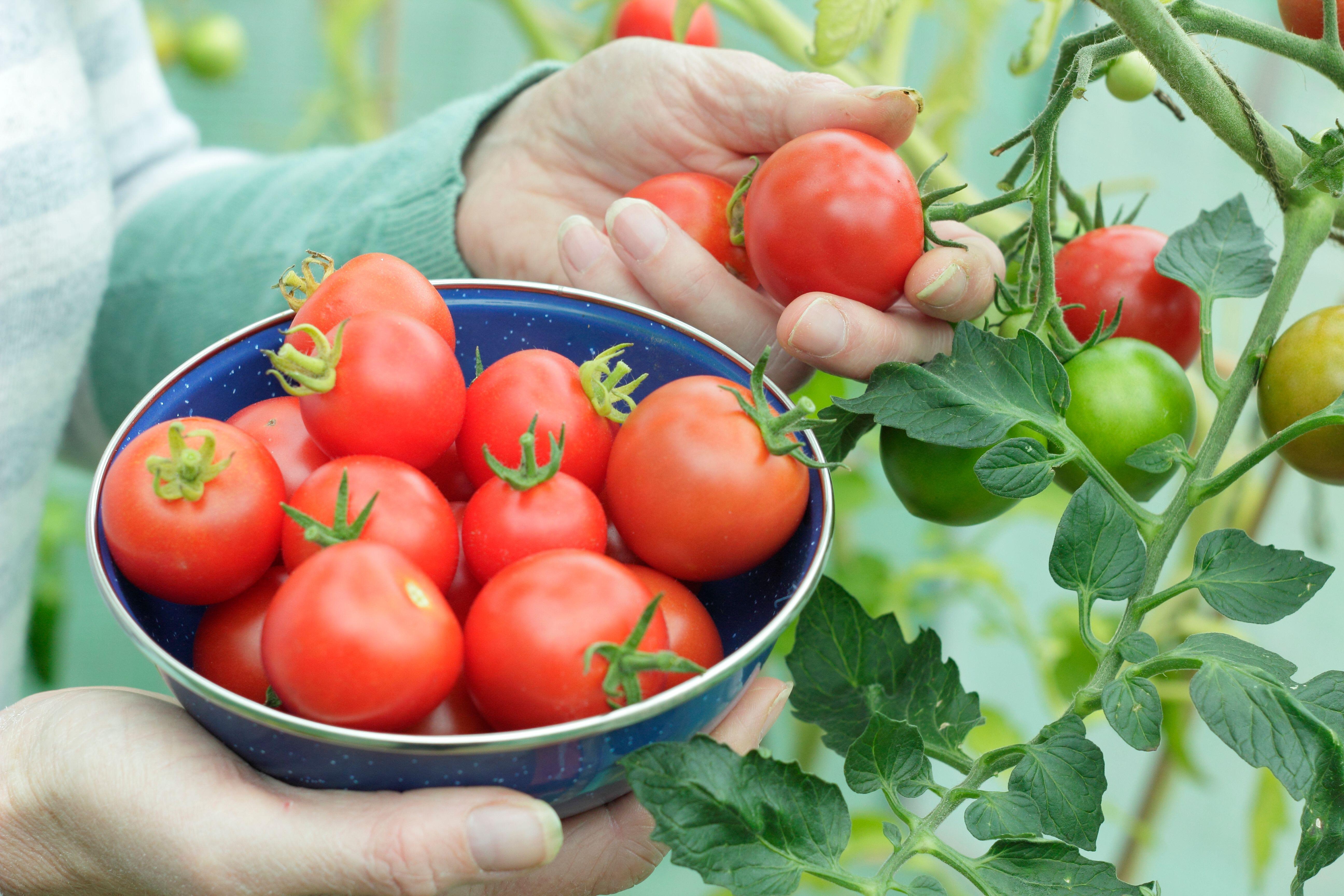
Tomato bisque sits at a crossroads between wholesome vegetable soup and rich comfort food. Traditional recipes blend roasted tomatoes with heavy cream, butter, and a flour-based roux, creating a velvety texture that packs significantly more calories than standard clear broths. Understanding the exact macronutrient breakdown helps you decide whether it fits into your dietary goals.
A typical one-cup serving of restaurant-style tomato bisque ranges from 250 to 400 calories, driven primarily by dairy fats. In contrast, lighter homemade variations or broth-extended versions can drop below 150 calories per serving. Whether you're tracking macros, managing sodium intake, or simply curious about lycopene absorption, breaking down the ingredients reveals how preparation methods alter the nutritional reality of this classic bowl.
The Complete Nutritional Breakdown per Serving
Evaluating tomato bisque requires looking past the base vegetable content to account for the heavy fats incorporated during cooking. Because recipes vary wildly between commercial canned brands, upscale restaurants, and scratch kitchens, macro counts span a broad spectrum.
A standard 1-cup (240ml) serving of traditional restaurant or bakery tomato bisque generally contains:
- Calories: 280–350 kcal
- Total Fat: 18–28 g
- Saturated Fat: 10–14 g
- Carbohydrates: 18–26 g
- Dietary Fiber: 2–4 g
- Sugars: 6–10 g (naturally occurring from tomatoes plus any added sweeteners)
- Protein: 3–5 g
- Sodium: 650–950 mg
Comparing Homemade vs. Canned vs. Restaurant Bisque
The numbers shift dramatically depending on how the soup is prepared:
- Canned Commercial Brands (e.g., Campbell's, Progresso): Often formulated with tomato paste, water, soybean oil, and dairy solids or modified food starch. These typically clock in at 160–220 calories per cup, with lower saturated fat than restaurant versions but higher sodium levels to preserve shelf life.
- Traditional Restaurant Bisque: Heavy cream is usually the primary liquid alongside butter and flour. This maximizes mouthfeel and richness, pushing fat counts near a third of your daily recommended limit in a single bowl.
- Lightened Homemade Bisque: Substituting whole milk, cashew cream, or plain Greek yogurt for heavy cream cuts calories in half while preserving a creamy texture.
Health Benefits of Tomato Bisque
Despite the heavy cream, the core ingredient—tomatoes—delivers potent micronutrients backed by strong clinical research.
Enhanced Lycopene Absorption
Lycopene is a powerful carotenoid responsible for the deep red color of tomatoes. Unlike vitamin C, which degrades with heat, cooking tomatoes actually breaks down their cell walls and makes lycopene more bioavailable to your body. Furthermore, because tomato bisque contains dietary fats from butter or cream, your digestive system absorbs this fat-soluble antioxidant far more efficiently than it would from raw, fat-free tomato juice. Research highlighted by the USDA National Nutrient Database demonstrates that processing and heating tomatoes maximizes lycopene delivery.
Immune Support and Micronutrients
A single serving provides substantial amounts of vitamin A, vitamin C, and potassium. Vitamin C supports endothelial function and immune defense, while potassium assists in regulating fluid balance and counteracting dietary sodium.
Potential Nutritional Pitfalls to Watch
While tomatoes are inherently healthy, bisque preparation introduces a few nutritional hurdles that warrant caution.
Sodium Overload
Commercial canned soups and restaurant kitchens rely heavily on salt to balance the natural acidity of tomatoes. A single bowl frequently supplies nearly half of the American Heart Association's recommended daily sodium limit. Consuming high-sodium meals regularly can negatively impact blood pressure, as outlined by the Centers for Disease Control and Prevention.
Hidden Sugars and Saturated Fats
Packaged tomato bisques often contain added cane sugar or high-fructose corn syrup to cut acidity. Simultaneously, the high saturated fat content from butter and heavy cream can raise low-density lipoprotein (LDL) cholesterol levels if consumed in excess.
How to Customize Tomato Bisque for Your Diet
You don't need to skip the soup aisle or restaurant menu to maintain a balanced diet. Simple culinary adjustments transform a heavy indulgence into a nutrient-dense meal.
- Swap the Cream: Use unsweetened almond milk, oat milk, or blended cashews to achieve velvety thickness without heavy dairy fats.
- Boost Fiber: Stir in white beans, red lentils, or pureed root vegetables like carrots and squash. This thickens the body of the soup naturally while adding prebiotic fiber and plant-based protein.
- Control Sodium: When cooking at home, rely on fresh garlic, basil, oregano, and a splash of balsamic vinegar to brighten flavors instead of reaching for the salt shaker.
- Mind the Pairings: Skip the grilled cheese and heavy garlic bread croutons. Pair your bowl with a crisp green salad dressed in olive oil and lemon juice to add volume and micronutrients without excess empty carbohydrates.
Frequently Asked Questions
Is tomato bisque good for weight loss?
Traditional creamy tomato bisque is high in calories and fat, making it challenging to fit into a strict weight-loss calorie deficit unless portion sizes are strictly controlled (e.g., a half-cup side portion). However, low-fat or plant-based homemade versions can be exceptionally filling and supportive of weight management due to water and fiber content.
Does cooking destroy the nutrients in tomatoes?
No. While heat reduces heat-sensitive vitamins like vitamin C slightly, it significantly increases the bioavailability of lycopene and other beneficial antioxidants by breaking down rigid plant cell walls.
Is tomato bisque gluten-free?
Not always. Many traditional recipes use a flour-and-butter roux as a thickening agent. If you have celiac disease or gluten sensitivity, always check ingredient labels on canned soups or ask restaurant staff if cornstarch or arrowroot was used instead of wheat flour.
Why is tomato bisque higher in calories than tomato soup?
Standard tomato soup is typically broth- or water-based with a small amount of milk or oil. Tomato bisque specifically incorporates heavy cream, butter, and sometimes shellfish stock or roux, which significantly increases its fat and calorie density.



