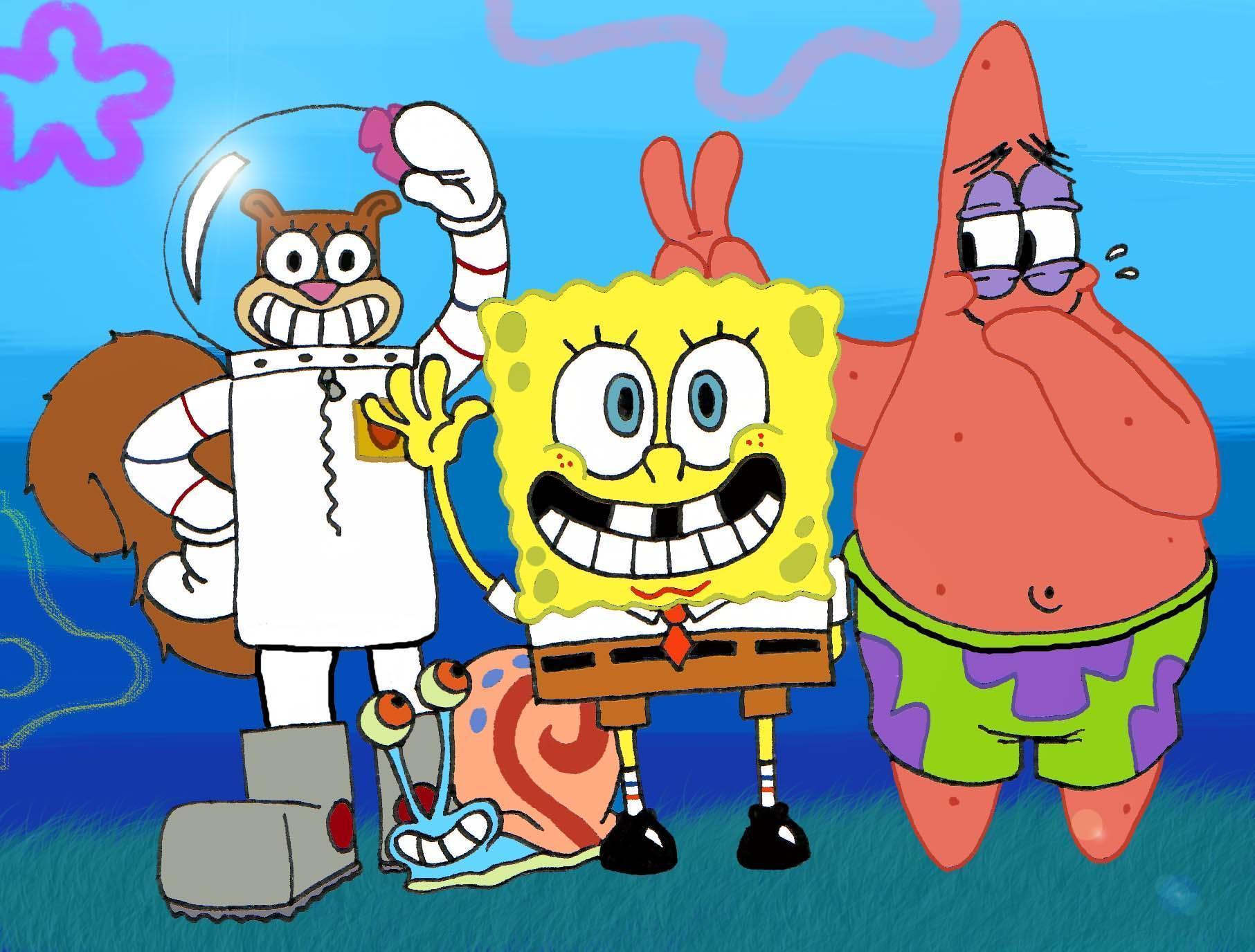
When Stephen Hillenburg pitched his nautical nonsense cartoon to Nickelodeon executives in the late nineties, he carried a specific sound in his head. He needed a protagonist who sounded innocent yet grating, naive yet endlessly optimistic. He found that exact pitch in Tom Kenny, a veteran stand-up comedian and voice actor whose signature vocal delivery turned a kitchen sponge into a global pop culture landmark. The Tom Kenny SpongeBob voice isn't just a funny cartoon noise; it's a masterclass in breath control, comedic timing, and character commitment that anchors one of television's longest-running animated series.
Behind the high-pitched giggle and the exuberant cry of readiness lies decades of performance experience. Understanding how Kenny crafted this iconic voice requires looking past the surface humor into the technical mechanics, the creation history, and the subtle vocal nuances that keep millions tuning in across generations.
Origins of the Voice and Hillenburg’s Vision
Stephen Hillenburg originally designed the character as a natural sea sponge, eventually shifting to a square kitchen sponge because it matched the square-headed, innocent persona he wanted to portray. Before landing the title role, Kenny had already worked with Hillenburg on Rocko's Modern Life, where Kenny voiced Heffer Wolfe. That working relationship gave Hillenburg confidence that Kenny could handle a demanding, high-energy lead.
The creation of the voice drew from an earlier project. Kenny had previously used a similar high-pitched, manic vocal texture for a minor character in an earlier short-form animation project. When Hillenburg heard that specific register, he knew he had found his sponge. The voice required a balance between childlike wonder and adult resilience, avoiding the trap of becoming purely annoying. Kenny shaped the cadence to sound perpetually wide-eyed, ensuring that even cynical viewers found the character's relentless cheerfulness endearing rather than exhausting.
Vocal Mechanics and Techniques
Achieving the SpongeBob SquarePants voice demands intense physical stamina. Kenny doesn't just speak in a high register; he manipulates placement, resonance, and breath to protect his vocal cords while maintaining a distinct acoustic signature.
- The High-Energy Placement: The sound is positioned forward in the mask of the face, utilizing nasal resonance rather than deep chest support. This creates the bright, piercing timbre that cuts cleanly through sound design and background music.
- The Controlled Dolphin Laugh: The signature laugh is arguably the most famous element of the performance. It relies on a rapid mechanical staccato, where Kenny taps his throat while expelling short bursts of air. This creates the bubbling, gurgling sound effect reminiscent of water or a dolphin chitter.
- Dynamic Pitch Shifts: Kenny stretches vowels dynamically, sliding seamlessly from a low mumble to a shrieking peak during moments of panic or excitement. This gives the character an elastic quality that matches his physical animation.
Maintaining this sound across hundreds of episodes, feature films, and video game adaptations requires strict vocal conditioning. Unlike characters that rely on gravelly or raspy textures—which can shred vocal cords quickly if strained—Kenny's high placement relies on agility and breath management, allowing him to record intense sessions without losing his voice.
Expanding the Soundscape of Bikini Bottom
Kenny's vocal contributions to the show extend far beyond the title character. A lesser-known aspect of his work on the series is his role as a vocal utility player, shaping the auditory world of Bikini Bottom by voicing multiple recurring characters.
- Gary the Snail: Voiced through a series of synthesized, pitched-down meows that communicate rich emotional subtext despite using actual feline vocalizations.
- The French Narrator: Delivering mock-documentary introductions with a playful Jacques Cousteau parody accent that grounds the show's absurdity in a faux-educational framework.
- Patchy the Pirate: Playing the live-action president of the fictional SpongeBob fan club, bringing unhinged, live-action physical comedy to the interstitial segments.
By handling these diverse roles, Kenny helps maintain a consistent comedic tone across the entire broadcast. The interplay between his different characters—such as SpongeBob trying to reason with a silent, meowing Gary—demonstrates his ability to converse with himself while keeping distinct personalities intact.
Common Misconceptions About Cartoon Voice Acting
Audiences often assume that creating a famous cartoon voice is an accidental stroke of luck or a simple funny sound a performer happens to make. In reality, sustained success in animation requires rigorous discipline.
Many fans think voice actors record their lines separately in isolation. While modern recording schedules sometimes require individual sessions, Kenny and core cast members like Bill Fagerbakke (Patrick Star) famously recorded together in the same booth for the early seasons of the show. This ensemble recording style fostered natural comedic timing, overlapping dialogue, and spontaneous improvisations that cleaner, isolated tracks often miss.
Another frequent myth is that once a voice is established, the actor can coast on autopilot. Kenny has noted in interviews that sustaining a high-energy character for decades requires physical warm-ups, proper hydration, and careful attention to vocal health to ensure the character sounds identical in current episodes to how he sounded in 1999.
Frequently Asked Questions
Can Tom Kenny still do the SpongeBob voice easily?
Yes, Kenny performs the voice regularly for television episodes, movies, video games, and live appearances. Because the technique relies on forward nasal placement and breath control rather than destructive vocal fry, he can execute the sound reliably.
Does Tom Kenny voice any other famous cartoon characters?
Yes, his extensive resume includes the Ice King in Adventure Time, Dog in CatDog, several characters in The Powerpuff Girls (including the Mayor), and Spyro the Dragon in various video games.
Why does SpongeBob's voice sound higher in early episodes compared to later seasons?
Like many long-running animated characters, the vocal delivery naturally settled over the first few years. In the earliest episodes, the pitch was pushed to an extreme high register to emphasize youth and innocence, eventually mellowing slightly into a more sustainable, well-rounded comedic sweet spot.
Does Tom Kenny do the singing for SpongeBob?
Yes, Kenny performs the musical numbers for the character, including iconic tracks like "The Best Day Ever" and the Campfire Song Song, bringing authentic character emotion into the show's musical segments.
To learn more about the official history of the program, visit Nickelodeon or explore Behind The Voice Actors for a comprehensive breakdown of his extensive career credits.



