When Deportivo Toluca and C.F. Pachuca take the pitch, they contest more than three points in the Liga BBVA MX standings. This fixture represents a clash between two of central Mexico's most historically stable and successful institutions. While traditional Mexican football narratives often focus heavily on Clasicos involving Mexico City giants like América or Guadalajara, the meeting between Los Diablos Rojos and Los Tuzos has quietly evolved into one of the most tactically rich and competitive regional rivalries in the country.
The primary keyword target for this topic centers around the dynamics of the Toluca vs Pachuca rivalry, examining how geography, club philosophy, and historical success intersect. Search intent for this fixture is typically informational and analytical, driven by fans looking to understand the historical context, tactical trends, head-to-head records, and academy structures that separate these two powerhouse clubs from the rest of the league.
Geographic and Cultural Roots
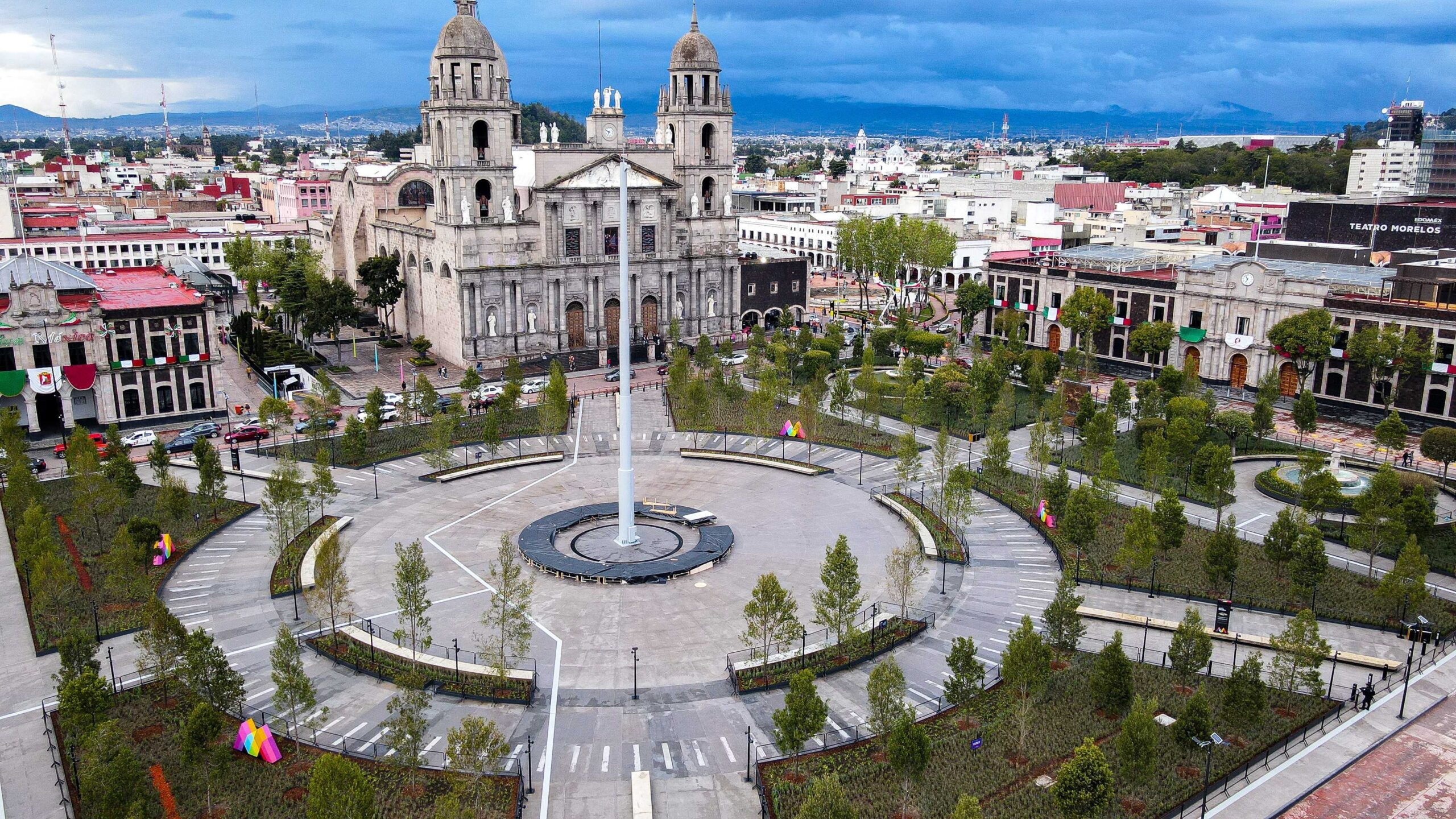
The competitive fire between Toluca and Pachuca is fueled by their distinct geographic identities within Mexico's central highlands. Toluca, located in the State of Mexico at an altitude of over 2,600 meters above sea level, utilizes its punishing high-altitude environment as a natural home-field advantage at the Estadio Nemesio Díez. The city itself carries an industrial and agricultural heritage, reflected in the gritty, hard-working identity of its fanbase.
Pachuca sits approximately 150 kilometers to the northeast in the state of Hidalgo, nestled in a mountainous mining region. Pachuca bears the unique distinction of being Mexico's oldest football club, founded by Cornish miners and British expatriates in the late 19th century. This British mining heritage gave Pachuca an early tactical blueprint that eventually evolved into one of the most sophisticated talent-development models in Latin America. The contrast between Toluca's traditional powerhouse backing and Pachuca's pioneering academy focus creates a fascinating cultural juxtaposition on matchday.
Historical Trajectories and Trophy Cabinets
Both clubs boast enviable histories that place them among the most decorated teams in modern Mexican football. Their long-standing presence in Mexico's top flight has produced decades of memorable title races and direct playoff showdowns.
Toluca's golden eras are etched into Liga MX lore, particularly their dominant runs through the 1999, 2000, 2002, 2005, 2008, and 2010 tournaments. Built on defensive organization, tactical discipline, and lethal attacking trios featuring legendary forwards like José Saturnino Cardozo, Toluca established a winning culture that made Estadio Nemesio Díez a fortress.
Pachuca experienced a massive resurgence at the turn of the century, transforming from a historical regional club into a domestic and international powerhouse. Los Tuzos claimed multiple Liga MX titles and dominated the CONCACAF Champions Cup arena, cementing their reputation as international competitors. Their success stems largely from the Universidad del Fútbol, an institutional framework that prioritizes scouting, youth integration, and modern coaching methodologies.
Tactical Evolution and Playing Styles
On the tactical front, matches between Toluca and Pachuca rarely disappoint. Both clubs historically favor proactive, attacking football rather than conservative containment, though their execution paths differ significantly.
Toluca often relies on physical presence, vertical transitions, and high-intensity pressing. Playing at high altitude requires visitors to manage energy reserves carefully, and Toluca's coaching staffs historically lean into this by pushing high tempo during the opening forty-five minutes. Their attacking structures look to exploit spaces behind opposing fullbacks through quick ball movement and central dominance.
Pachuca, by contrast, relies heavily on technical fluidity, positional rotations, and youth-infused energy. Because their talent pipeline constantly feeds the first team with agile, technically gifted midfielders and wingers, Pachuca's buildup play often features intricate short passing and overlapping runs. When these two philosophies collide, matches frequently turn into high-scoring tactical chess matches where midfield control dictates the outcome.
Head-to-Head Dynamics and Memorable Encounters
Historical metrics between the two sides illustrate a remarkably balanced ledger. While home-field advantage plays a substantial role in Liga MX, both Toluca and Pachuca have proven capable of securing crucial away victories in high-pressure playoff environments.
Key historical moments include Liguilla semifinal clashes where aggregate goals swung dramatically in the final minutes. Matches at the Estadio Hidalgo often test Pachuca's ability to break down Toluca's low block, while games in Toluca test whether Pachuca's youthful squad can withstand the physical intensity and thin air of the highlands.
For deeper context on current league standings and upcoming fixture dates, supporters frequently check the Liga MX Official Website for verified schedules and official match reports. Additional financial and institutional insights regarding club management can also be found via Forbes Mexico coverage of sports business in Latin America.
Frequently Asked Questions
Which team has more Liga MX titles?
Toluca holds more domestic league titles than Pachuca, maintaining one of the highest championship tallies in the history of professional Mexican football.
What is the origin of Pachuca's football history?
Pachuca was founded by Cornish miners and engineers who brought association football to the mining camps of Hidalgo in the late 19th century, earning the club the title of Mexico's oldest professional team.
Why is playing at Toluca's stadium considered an advantage?
The Estadio Nemesio Díez sits at an elevation of over 2,600 meters above sea level. Visiting teams often struggle with the reduced oxygen levels, making physical conditioning a critical factor for matches played in Toluca.
Do Toluca and Pachuca share a state rivalry?
No, they represent neighboring regions in central Mexico. Toluca is based in the State of Mexico, while Pachuca is located in the neighboring state of Hidalgo, making their rivalry regional rather than intra-city.



