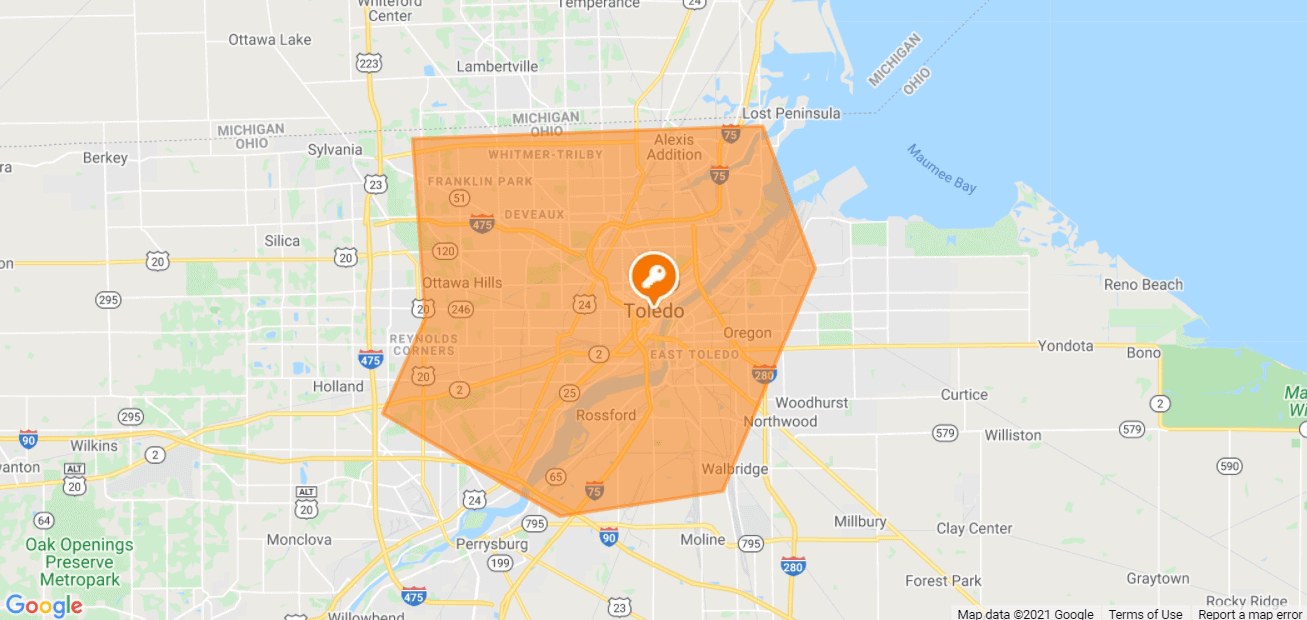
Navigating the legal system after an arrest in northwest Ohio starts at the Toledo Lucas County Jail. Located at 1350 Nebraska Avenue in Toledo, this facility operates under the Lucas County Sheriff's Office as the primary intake center for misdemeanor and felony offenders in the area. When someone you know is taken into custody, understanding how booking works cuts through the uncertainty and helps you figure out the necessary next steps.
The intake process is a structured sequence designed to verify identity, document personal property, screen for health risks, and assign housing. While it feels chaotic from the outside, the facility follows strict operational protocols mandated by state standards. Knowing what happens during these initial hours lets families track an inmate's status and prepare for upcoming court appearances.
Arrival and Initial Intake
The process begins the moment law enforcement transports a detained individual to the facility. Officers bring the person into a secure receiving area where custody officially transfers from the arresting agency to jail staff.
Staff members verify the arresting paperwork against initial law enforcement records to ensure the charges match the booking entry. During this phase, officers perform a pat-down search and inventory all personal belongings. Wallets, keys, phones, jewelry, and belts are confiscated, cataloged, and stored securely until the individual's release or transfer. Detainees must also change into standard jail issued clothing before moving further into the facility. As discussed in detailed articles by Reuters, the implications are significant.
Medical and Mental Health Screening
Safety is a primary objective upon entry. Before any inmate enters the general population, they undergo a mandatory health screening conducted by licensed medical personnel. This evaluation acts as a medical triage rather than full treatment, identifying immediate physical or psychological vulnerabilities.
The screening covers several essential check-points:
- Vital sign measurements including blood pressure, pulse, and temperature.
- Documentation of visible injuries, acute trauma, or signs of substance intoxication.
- Screening for chronic illnesses, prescribed medications, and potential withdrawal risks.
- Mental health questioning to flag depression, trauma, or self-harm risks.
If medical staff identify severe intoxication, acute withdrawal symptoms, or a mental health crisis, the individual is placed in a specialized observation unit where nursing staff can monitor them closely.
Fingerprinting and Mugshots
Once medical clearance is secured, staff collect biometric data to establish an official, permanent record. This stage involves digital fingerprinting and facial photography.
Digital fingerprints are transmitted directly to the Integrated Automated Fingerprint Identification System maintained by the Federal Bureau of Investigation. This system cross-references national databases to confirm the individual's true identity, check for outstanding warrants in other jurisdictions, and review past criminal history. Mugshots are taken from frontal and profile angles, entering the local Jail Management System alongside the detainee's charges, physical description, and booking timestamp.
Classification and Housing Assignment
With administrative data collection complete, a classification officer assesses the detainee's security risk level. This assessment dictates where the person will live inside the facility while awaiting trial or resolution.
Classification relies on the severity of current charges, past criminal records, behavioral history, and results from medical or mental health screenings. Most non-violent offenders are assigned to general population dormitories. Individuals facing high-security charges, protective custody needs, or specific federal detainers go to specialized housing units.
Bond Hearings and Release Options
An arrest doesn't mean an automatic extended stay. Most detainees have a right to an initial appearance or bond hearing through the Toledo Municipal Court or Lucas County Common Pleas Court, typically held within 24 to 48 hours of booking.
During this hearing, a judge establishes the conditions under which the defendant may be released. Common outcomes include:
- Release on Recognizance: The defendant walks free without financial collateral, based on a written promise to return for court dates.
- Cash or Surety Bond: A specific financial amount is set. Families can pay the full cash amount directly to the court or hire a licensed bail bondsman who charges a non-refundable fee to post surety.
- No Bond: For severe charges or individuals deemed a significant flight risk or community threat, the judge orders the person held without bond until trial.
To check if someone has completed booking or to find their current bond status, you can search the public inmate roster provided by the Lucas County Sheriff's Office. You can also review local court dockets via the Toledo Municipal Court website to track upcoming hearing schedules.
Frequently Asked Questions
How long does the booking process take at the Toledo Lucas County Jail?
The duration varies based on how busy the facility is, medical clearance needs, and fingerprint verification queues. It typically takes anywhere from four to twelve hours from the time of arrival to final housing assignment.
Can I deposit money into an inmate's account during booking?
You cannot deposit funds while an inmate is actively going through the initial intake and booking phases. Once they are assigned to a permanent housing unit, you can add money to their commissary account online or through automated kiosks located in the jail lobby.
What personal items are returned upon release?
All confiscated property—including wallets, phones, keys, and clothing—is securely stored and returned to the individual upon their release from custody. Contraband or items flagged as illegal evidence are withheld by law enforcement.
How can I find out the exact charges and bond amount?
You can verify active bookings, specific charges, and bond requirements by checking the online inmate lookup tool hosted on the official Lucas County government portal.



