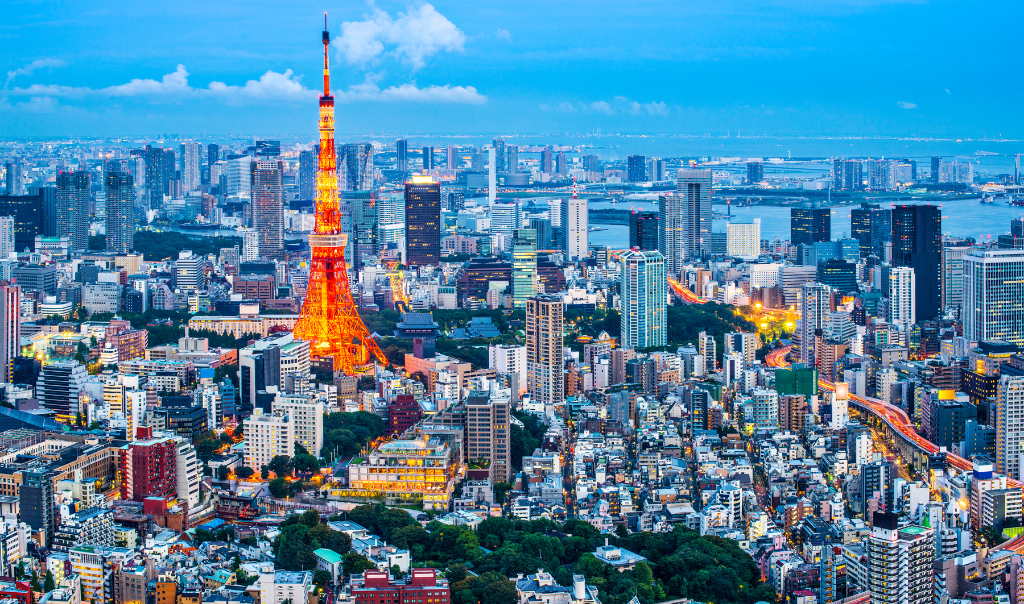
Planning a trip to Tokyo can feel overwhelming because the city combines hyper-dense urban sprawl with hidden neighborhoods that operate at a slower, traditional pace. If you want to experience the Japanese capital efficiently, you need to understand how the transit system works, where to stay based on your travel style, and how to navigate unspoken local customs.
Tokyo isn't a single city center; it's a massive collection of distinct urban hubs connected by one of the world's most reliable rail networks. Whether you're hunting for vintage vinyl in Shimokitazawa or visiting centuries-old shrines in Asakusa, knowing how to pace your days will save you from transit fatigue and budget blowouts.
Mastering Tokyo's Transit System
Navigating Tokyo's train and subway network requires a basic grasp of how the lines are structured. The single most important piece of infrastructure for visitors is the JR Yamanote Line, a loop train that encircles the central core of the city and connects major hubs like Shinjuku, Shibuya, Tokyo Station, and Ueno.
Instead of buying paper tickets for every single ride, get a rechargeable IC card like a Welcome Suica or Pasmo right at the airport or download a digital version straight to your smartphone wallet. You simply tap your phone or card at the ticket gates, and the correct fare deducts automatically when you exit.
- Avoid rush hour between 7:30 AM and 9:00 AM on weekdays if you want to experience standard passenger density rather than peak commuter crowding.
- Keep your physical IC card or phone handy; you can use it to pay at convenience stores (konbini), vending machines, and station lockers.
- Look for color-coded platform signs and English digital readouts above doors to confirm train destinations and car types.
Choosing Where to Stay
Where you book your hotel or rental heavily dictates your daily rhythm. Shinjuku and Shibuya put you directly in the neon-lit thick of high-energy nightlife, massive department stores, and endless dining options. They're ideal if you want entertainment right outside your door, but the trade-off is navigating packed streets and busier train platforms.
If you prefer a quieter, more residential neighborhood with independent cafes and traditional architecture, look toward areas like Yanaka, Kagurazaka, or Kichijoji. These districts let you see how locals actually live, offering morning quietude while remaining a short subway ride away from major sightseeing spots.
- Shinjuku: Best for nightlife, skyscraper views, and instant access to the Yamanote Line.
- Asakusa: Ideal for historic temples, street food, and a throwback atmosphere close to the Sumida River.
- Ebisu or Nakameguro: Perfect for food lovers, boutique shopping, and relaxed canal-side walking.
Essential Local Etiquette and Common Mistakes
First-time visitors often make avoidable social blunders that cause unnecessary stress. Japanese urban culture places a heavy emphasis on consideration for others, spatial awareness, and quiet public behavior.
Walking while eating is generally frowned upon in many busy districts; locals usually step to the side near a vending machine or convenience store to consume snacks. Additionally, public trash cans are extremely rare across Tokyo due to security and municipal waste policies. Always carry a small plastic bag in your daypack to pack out your own trash until you return to your hotel or spot a recycling bin next to a beverage machine.
- Never talk loudly on your mobile phone while riding trains or buses; keep your phone on silent mode (manner mode).
- Stand on the correct side of escalators depending on the region—left in Tokyo, right if you travel to Osaka later.
- Cash is still required at many traditional ramen shops, small shrines, and neighborhood izakayas, so always keep a few thousand yen in your pocket.
Eating Beyond the Tourist Traps
Tokyo's culinary scene extends far beyond high-end sushi counters and Michelin-starred restaurants. Some of the best meals in the city cost less than a cup of coffee and can be found inside train station basements or tucked down alleyways.
Depachika—the basement food halls of major department stores like Isetan or Mitsukoshi—offer an incredible array of bento boxes, fresh pastries, and regional delicacies. They are perfect for assembling a high-quality picnic to eat in a public park like Shinjuku Gyoen. For a late-night meal, seek out a neighborhood izakaya where you can sample small plates of grilled yakitori, edamame, and seasonal vegetables alongside local beer or highballs.
- Visit convenience stores like Seven-Eleven, Lawson, and FamilyMart for surprisingly high-quality egg salad sandwiches, onigiri, and fresh fried chicken.
- Look for ticket-vending machines outside ramen shops; you buy your meal ticket from the machine and hand it to the chef inside.
- Don't leave a tip; tipping is not part of Japanese culture and can cause confusion or awkwardness when staff try to return extra money.
Frequently Asked Questions
Do I need to speak Japanese to travel around Tokyo?
You can navigate Tokyo easily without speaking Japanese. Major train stations, ticket machines, convenience stores, and tourist attractions feature comprehensive English signage and audio announcements. Translation apps also help immensely for reading menus or asking simple questions.
How much cash should I carry daily?
While credit cards and digital IC cards are accepted at most modern hotels, large department stores, and convenience chains, you should still carry about 5,000 to 10,000 yen in cash. Small ramen joints, independent shrines, and coin lockers often operate strictly on cash transactions.
What is the best time of year to visit Tokyo?
Spring (March to May) and autumn (September to November) offer the most comfortable weather for walking outdoors. Spring brings the famous cherry blossoms (sakura), while autumn showcases vibrant red and gold maple leaves, though both seasons attract higher tourist volumes.
Is tipping expected at restaurants or hotels?
No, tipping is never expected or practiced in Japan. Exceptional service is standard across the hospitality industry, and leaving extra money behind on a table will often result in staff running after you to return what they think you forgot.



