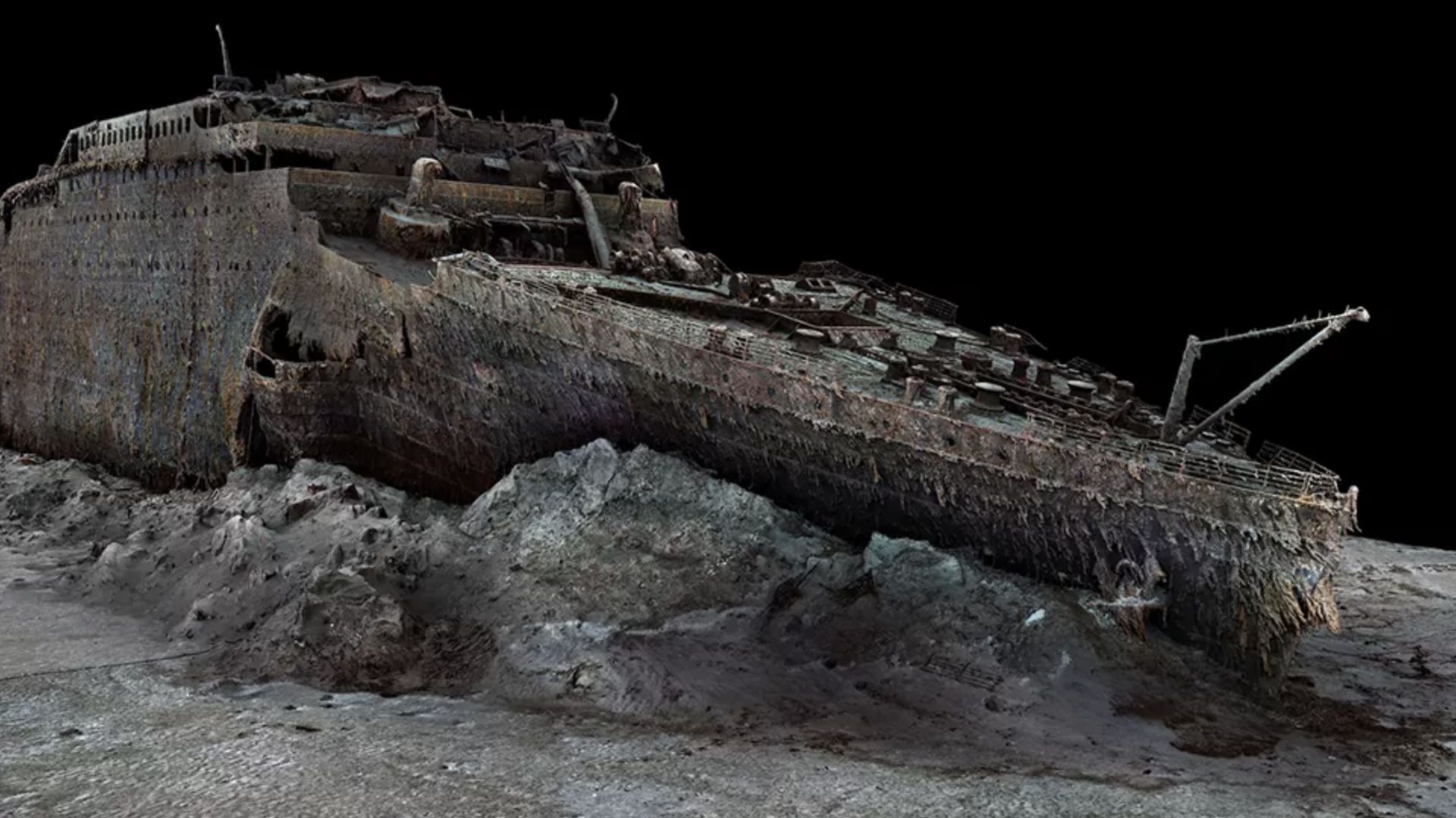
When the RMS Titanic slipped beneath the freezing Atlantic on April 15, 1912, it carried an estimated 2,208 people on board. Out of that total, approximately 705 individuals survived the disaster, while more than 1,500 perished. These raw numbers reveal a stark reality of early 20th-century class structures, maritime logistics, and human behavior under extreme pressure. Survival wasn't random; it was shaped heavily by ticket class, gender norms, and physical location on the ship.
Understanding the true account of life and loss means looking past Hollywood depictions and examining the actual manifests and demographic breakdowns. The story of those who lived tells us as much about social hierarchy in 1912 as it does about the mechanics of the maritime tragedy.
The Overall Numbers: Who Made It Off the Ship?
Out of the roughly 2,200 passengers and crew members on the maiden voyage, only about 31.6% lived to see New York aboard the rescue ship RMS Carpathia. The remaining 68% lost their lives to hypothermia, drowning, or trauma within hours of the iceberg collision.
The breakdown between passengers and crew shows distinct survival trends:
- Passengers: Around 1,316 passengers were on board, and roughly 492 to 498 survived (about 37% to 38%).
- Crew Members: Roughly 892 to 900 crew members served on the ship, and only 214 survived (about 24%).
The vast discrepancy in those numbers highlights how physical accommodation and job duties dictated survival outcomes from the moment the alarm sounded.
Class and Survival: The High Cost of Accommodations
Ticket class was the single biggest predictor of who survived the sinking. First-class passengers enjoyed close proximity to the boat deck, wider corridors, and stewards who woke them early. Third-class passengers—often referred to as steerage—were housed deep in the ship's bow and stern, far from the lifeboats, and faced locked or delayed gates that hindered their path upward.
First-Class Statistics
First-class passengers experienced the highest survival rate at approximately 62%. Out of roughly 325 first-class passengers, over 200 made it onto lifeboats. Women in first class had an exceptional survival rate exceeding 95%, as officers prioritized loading them into early, half-filled boats. Even first-class men had a higher survival rate than working-class women in lower decks, due to direct access to the upper decks.
Second-Class Statistics
Second-class passengers saw a sharp drop in survival, with roughly 41% to 42% making it out alive. Many second-class travelers were middle-class families, teachers, and tradespeople. While women in second class still had high survival odds (around 92%), second-class men suffered profoundly, with less than 10% living through the night.
Third-Class Statistics
Third-class passengers bore the brunt of the tragedy. Only about 25% of third-class passengers survived. Language barriers, physical distance from the boat deck, and late notification contributed to the heavy loss of life. Out of 109 children on board—the vast majority traveling third class—only 56 survived.
The Crew's Sacrifice
The crew experienced some of the lowest survival rates of any group on the ship. More than 75% of the crew perished, driven by a strong sense of duty and the physical realities of working deep within the vessel.
- Engineering Officers: All 25 engineering officers lost their lives. They stayed below decks to keep the lights on, the pumps running, and steam venting, ensuring the ship stayed afloat long enough to maximize lifeboat launches.
- Postal Clerks and Guarantee Group: All five postal clerks perished trying to save the mail bags from the flooding sorting room. Thomas Andrews and his design guarantee group from Harland and Wolff all went down with the ship.
- Victualling and Restaurant Staff: Dining room staff, stewards, and galley workers faced steep hurdles, with only a fraction surviving.
Gender, Children, and the "Women and Children First" Protocol
The unwritten maritime code of "women and children first" was largely enforced by officers like Second Officer Charles Lightoller on the port side, though interpretation varied wildly on the starboard side, where First Officer William Murdoch allowed men into boats if no women were waiting.
Overall, the demographic data reveals stark disparities:
- Approximately 74% of all women on board survived, compared to just 19% of all men.
- Female passengers in first and second class were nearly guaranteed a seat on a lifeboat.
- Third-class women faced significantly tougher hurdles, with roughly half perishing because they reached the deck too late or were held back.
Frequently Asked Questions
How many total people survived the Titanic?
Roughly 705 people survived the sinking out of the approximately 2,200 passengers and crew on board.
Which ship rescued the survivors?
The RMS Carpathia, a Cunard Line steamship, picked up all the survivors from the lifeboats hours after the disaster and transported them safely to New York.
Were there any children who survived?
Yes, 56 children survived out of the 109 on board. Millvina Dean, who was just two months old at the time, was the youngest passenger and the last living survivor, passing away in 2009.
Why did so many crew members die?
Most crew members worked in engine rooms, boiler rooms, and service roles deep inside the ship. They remained at their posts to manage electricity and steam until the final moments, and many were blocked from reaching the upper decks.



