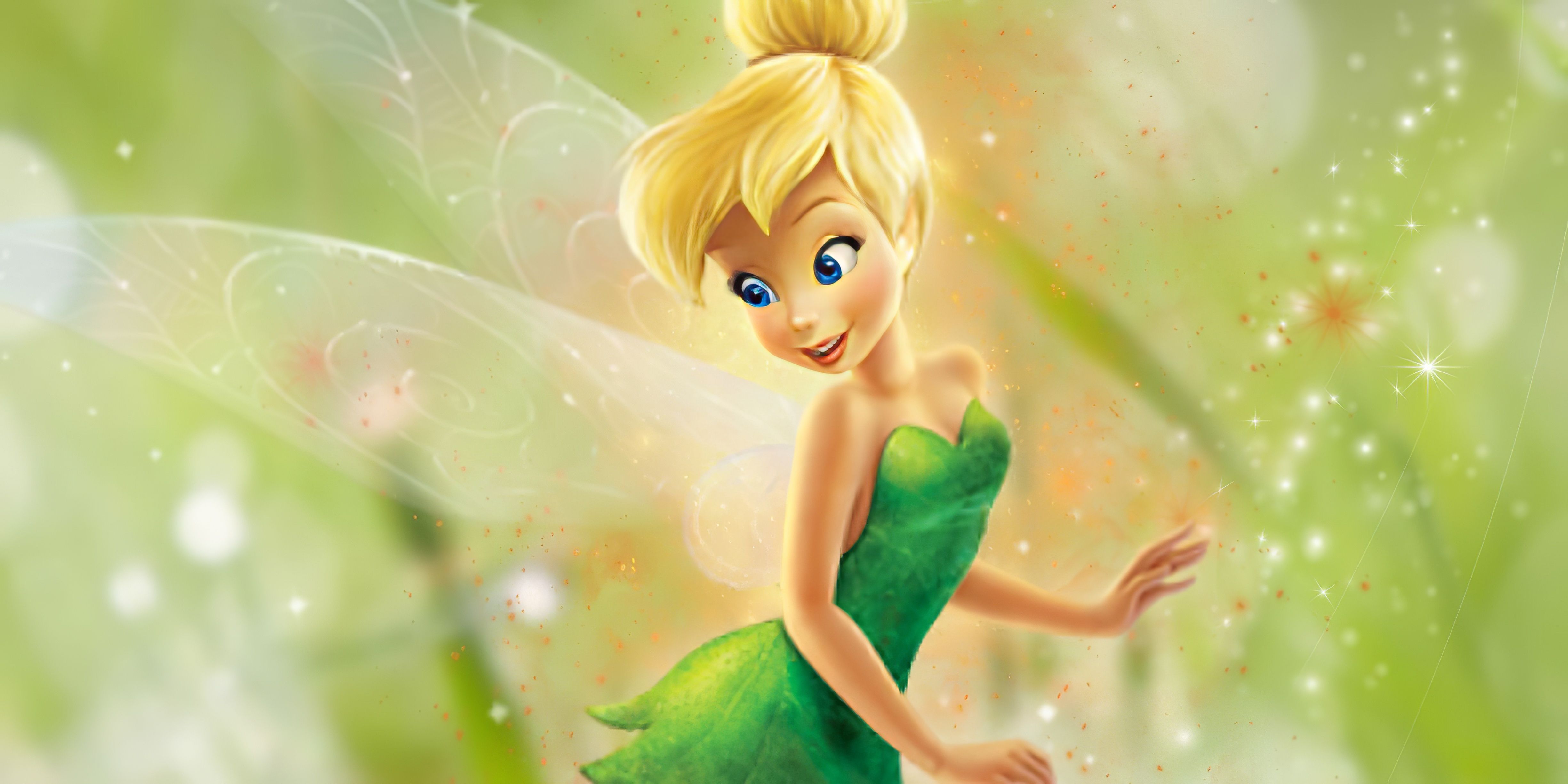
Watching the Disney Fairies franchise is a wonderful trip into Pixie Hollow, but knowing the exact sequence can be tricky because titles shifted from theatrical plans to direct-to-video releases. The official and chronological release order of the six feature-length Tinkerbell movies is Tinkerbell (2008), Tinkerbell and the Lost Treasure (2009), Tinkerbell and the Great Fairy Rescue (2010), Secret of the Wings (2012), The Pirate Fairy (2014), and Tinkerbell and the Legend of the NeverBeast (2014).
Knowing this sequence helps viewers follow character arcs, talent developments, and the expanding lore of Pixie Hollow without missing narrative callbacks. DisneyToon Studios crafted a rich, self-contained universe that grew far beyond Peter Pan's sidekick, building a deep mythology around fairy talents, seasonal changes, and the mainland.
Complete Chronological Watch Order
Following the films by release date aligns with their internal chronological progression, as each movie builds naturally upon the rules and residents of Pixie Hollow established in the previous entry.
- Tinkerbell (2008): The film introduces Tinker Bell's birth from a baby's laugh, her arrival in Pixie Hollow, and her struggle to accept her assigned tinker talent rather than trying out flashy nature talents.
- Tinkerbell and the Lost Treasure (2009): Set during autumn, Tinker Bell embarks on a dangerous quest across land and water to find a rare mirror and restore the magical autumn Scepter before the blue harvest moon rises.
- Tinkerbell and the Great Fairy Rescue (2010): Moving from Pixie Hollow to the summer mainland (England, 2012 timeline setting implied), Tinker Bell is captured by a curious human girl named Lizzy, prompting her friends to mount a daring rescue mission.
- Secret of the Wings (2012): Tinker Bell ventures into the forbidden Winter Woods, where she discovers Periwinkle, a winter fairy who shares her unique frost-glittering bond as her twin sister.
- The Pirate Fairy (2014): A rogue dust-keeper fairy named Zarina steals all of Pixie Hollow's blue pixie dust and joins forces with a young cabin boy named James Hook, forcing Tinker Bell and her friends to recover the dust.
- Tinkerbell and the Legend of the NeverBeast (2014): Fawn the animal fairy befriends a massive, misunderstood creature known as the Gruff, challenging the fairies' preconceived notions about monsters and storms.
Understanding Fairy Talents and Society
Pixie Hollow operates on a rigid caste system of talents that dictates what every fairy can and cannot do. Tinker Bell's struggle in the first film highlights the tension between destiny and personal ambition.
- Tinkering: Fixing pots, pans, and fairy contraptions, led by Tink, Bobble, and Clank.
- Light and Nature: Tending to flora, fauna, water, and sunlight, managed by characters like Rosetta, Fawn, and Silvermist.
- Dust-Keeping: Managing the precious pixie dust supply that allows fairies to fly.
Understanding these specializations is key to appreciating why certain characters sit out specific adventures or why talents cannot be swapped easily.
Key Production History and Evolution
The franchise began as part of the broader Disney Fairies brand launched in 2005. Originally, Brittany Murphy was cast to voice Tinker Bell in 2006, but Mae Whitman ultimately took over the role for the 2008 release.
As production moved forward, the animation style evolved from simple woodland aesthetics to intricate winter frost physics in Secret of the Wings and complex swashbuckling choreography in The Pirate Fairy. For more background on the studio's output, you can check details on Walt Disney Studios.
Frequently Asked Questions
Are the Tinkerbell movies connected to Peter Pan?
Yes, the films serve as a prequel universe to Peter Pan, explaining how Tinker Bell learned to speak, how she met the fairies, and why she is so protective of her belongings. Captain Hook also appears as a young deckhand in The Pirate Fairy.
Do you need to watch the movies in exact order?
While each film features a standalone adventure, watching them in release order preserves character development milestones, such as Tinker Bell discovering her winter sister in the fourth film.
Are there any short films in the franchise?
Yes, alongside the six main features, several short films and TV specials were released, including Pixie Hollow Games (2011), which fits chronologically between Great Fairy Rescue and Secret of the Wings.
Why did the franchise end after six movies?
DisneyToon Studios shifted its primary focus back to feature-length theatrical projects and other IP following the release of The Legend of the NeverBeast in 2014.


