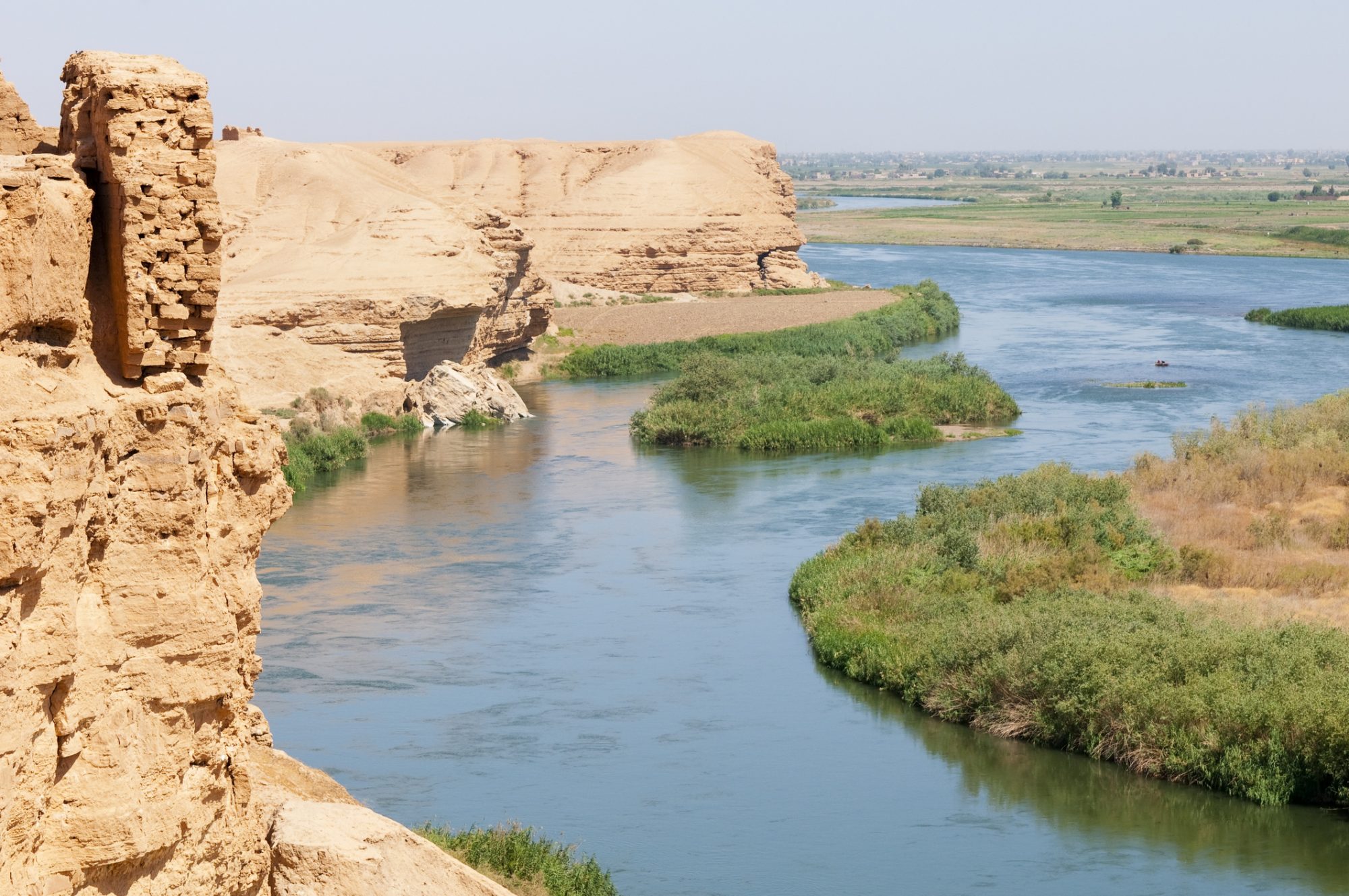
The Tigris and Euphrates river basin, historically cradle to the earliest human civilizations in Mesopotamia, faces an unprecedented ecological collapse. Millions of people across Turkey, Syria, and Iraq rely on these twin rivers for drinking water, agriculture, and hydroelectric power. Yet, poor water management, upstream dam projects, and extreme climate pressures are turning fertile floodplains into dust.
Understanding this crisis requires looking beyond simple rainfall shortages. The basin operates within a complex geopolitical arena where international water laws are weak and unilateral dam construction sets the standard. Upstream nations secure their own water and power supplies while downstream territories face severe scarcity, salinization, and dried-up riverbeds.
Upstream Dams and Hydrological Alteration
The contemporary water crisis began taking physical shape in the late 20th century through massive state-sponsored engineering projects. Most notably, Turkey launched the Southeastern Anatolia Project, known as GAP. This massive initiative involved building dozens of dams and hydroelectric plants along the upper reaches of both rivers, including the massive Atatürk Dam on the Euphrates.
While these projects successfully generated electricity and irrigated arid lands within Turkey, they drastically reduced downstream river discharge. Syria and Iraq, both historically dependent on the natural flow of these waters, experienced immediate drops in water volume. When reservoirs fill up behind upstream barriers, downstream communities watch water levels plummet weeks before seasonal planting cycles begin.
This alteration violates historical water-sharing expectations and disrupts traditional agricultural calendars. River flows that once supported seasonal floods depositing rich alluvial silt are now tightly controlled by concrete gates hundreds of miles away.
Climate Change and Accelerating Droughts
Natural water cycles in the Middle East have shifted dramatically over the past two decades. Rising global temperatures hit the Anatolian highlands and the Zagros Mountains particularly hard, reducing winter snowpacks that traditionally fed the Tigris and Euphrates during spring melts.
Rainfall patterns have become erratic. Winter precipitation arrives in short, intense bursts that erode topsoil rather than replenishing groundwater aquifers. Extended multi-year droughts have become the new normal across the region. Higher evaporation rates from reservoirs and open canals waste significant portions of the remaining surface water before it reaches farms.
- Decreased Snowpack: Winter snow accumulation in source mountains has dropped by nearly thirty percent since the year 2000.
- Higher Evaporation: High summer temperatures cause up to fifteen percent of stored reservoir water to evaporate annually.
- Groundwater Depletion: Farmers dig unauthorized wells deeper into depleted aquifers as surface water fails.
Agricultural Collapse and Salinization
Agriculture consumes over eighty percent of the water drawn from the Tigris and Euphrates basin. Traditional flood irrigation methods, combined with modern pump systems, lead to massive inefficiencies. Because water is cheap or unregulated at the point of extraction, crops like wheat, rice, and cotton are grown in arid environments unsuited for high-water-demand farming without advanced conservation infrastructure.
As river levels decline, seawater pushes inland from the Persian Gulf up the Shatt al-Arab waterway where the Tigris and Euphrates merge. This saltwater intrusion ruins agricultural land in southern Iraq. Combined with poor drainage and chemical fertilizers, soil salinization renders once-productive fields barren. Farmers abandon their lands, triggering massive rural-to-urban migrations toward overcrowded cities like Baghdad and Basra.
Transboundary Governance Failures
Unlike the Nile or the Danube, the Tigris-Euphrates basin lacks a comprehensive, legally binding water-sharing treaty ratified by all three riparian states: Turkey, Syria, and Iraq. Bilateral agreements exist in fragments, but they fail to address modern ecological realities.
International conventions on non-navigational uses of international watercourses emphasize equitable and reasonable utilization, but enforcement mechanisms are nonexistent. Turkey views its rivers through the lens of sovereign resource management, comparing water to oil resources in neighboring states. Meanwhile, Iraq and Syria argue that ancient customary water rights entitle them to historic flow volumes.
Without a trilateral framework governing minimum ecological flows, data sharing, and drought response protocols, diplomatic tensions remain high. Water effectively functions as a tool of political leverage rather than a shared regional public good.
Frequently Asked Questions
Why are the Tigris and Euphrates drying up?
The rivers are drying up due to a combination of upstream dam construction, climate change impacts such as reduced snowpack, persistent droughts, and highly inefficient agricultural irrigation practices.
Do Turkey, Syria, and Iraq have a water sharing agreement?
No comprehensive, trilateral treaty exists between all three nations. While past bilateral protocols addressed specific allocations, they lack modern enforcement mechanisms and fail to account for climate change.
How does the water crisis affect local populations?
Scarcity leads to failed crops, severe drinking water shortages, and soil salinization. This forces hundreds of thousands of rural farmers to abandon their land and migrate to urban centers.
Can the Tigris and Euphrates recover?
Recovery is possible but requires coordinated regional cooperation, modernization of agricultural irrigation, adherence to minimum ecological flow standards, and international funding for sustainable water infrastructure.



