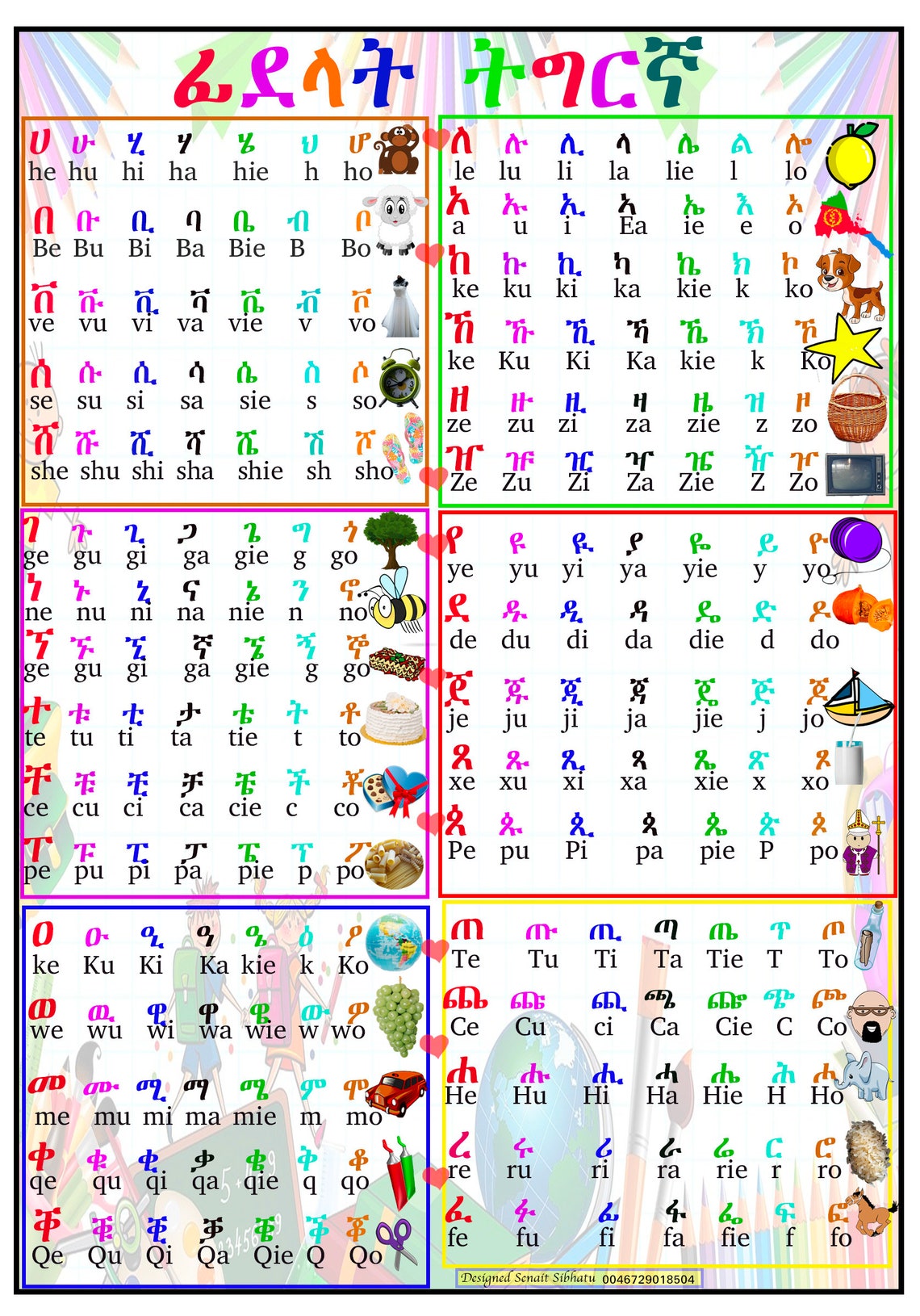
Tigrinya is a Semitic language spoken by over seven million people, primarily across Eritrea and the Tigray region of Ethiopia. It serves as a cornerstone of identity, literature, and daily communication in the Horn of Africa, while maintaining a significant diaspora footprint across North America and Europe. Despite decades of political shifts and suppression during various colonial eras, the language has persevered through oral traditions, modern media, and community schooling.
As a member of the Ethio-Semitic language family, Tigrinya shares deep historical ties with Ge'ez, the ancient liturgical language of the region. Written records date back centuries, showing an evolutionary path that blends ancient Semitic roots with unique regional influences. Understanding Tigrinya requires looking closely at its distinct writing system, grammatical structures, and cultural footprint in the modern globalized world.
Origins and Historical Evolution
The lineage of Tigrinya traces directly back to the Kingdom of Aksum, where the Ge'ez script was used for royal inscriptions and religious texts. King Ezana's inscriptions from the fourth century CE provide early glimpses of the linguistic environment that birthed modern Ethio-Semitic tongues. Over centuries, spoken variations drifted away from classical Ge'ez, eventually splitting into distinct vernaculars, including Tigrinya and Amharic.
During the late nineteenth and twentieth centuries, colonial administrations and shifting regional borders presented steep challenges to local languages. In Eritrea, Italian colonization followed by British administration and subsequent annexation by Ethiopia meant that Tigrinya faced periods where its use in official education and publishing was restricted or banned. Speakers preserved the language through church schools, underground poetry, and oral storytelling, ensuring it survived intact into the late twentieth century.
Today, Tigrinya holds official status in Eritrea alongside Arabic and English, functioning as the primary medium for primary education, courts, and broadcasting. In Ethiopia, it is the official working language of the Tigray National Regional State, utilized widely in regional governance and local media.
The Ge'ez Writing System
Tigrinya is written using the Ge'ez script, often referred to as an abugida or syllabary. In this writing system, each symbol represents a consonant-vowel combination rather than a single phoneme. The base character represents a consonant paired with a default vowel sound, usually an "a" or "ä", while modifying strokes on the character alter the vowel sound.
- Fidäl (Characters): The modern Tigrinya script contains over 30 base consonants, each expanding into seven distinct vowel forms, resulting in more than 200 total character symbols.
- Left-to-Right Direction: Unlike Arabic or Hebrew, which use right-to-left scripts, Ge'ez is written horizontally from left to right.
- Punctuation: Traditional Ge'ez punctuation includes unique spacing and division marks, such as word separators and paragraph dividers, though modern digital publishing often integrates standard western punctuation alongside the script.
Learning to read and write Tigrinya requires mastering these character families, which can take time for beginners accustomed to Latin alphabets. However, the orthography is remarkably phonetic once the character rules are learned, meaning words are spelled very close to how they sound.
Grammar and Linguistic Structure
Tigrinya grammar exhibits classic Semitic features, including root-and-pattern morphology and a distinct gender system. Understanding these mechanics illuminates how the language builds vocabulary and expresses complex ideas.
- Consonantal Roots: Most verbs and nouns derive from three-consonant (tri-literal) or four-consonant roots. Inserting different vowel patterns between these consonants creates related words with connected meanings.
- Grammatical Gender: Nouns are classified as either masculine or feminine. This gender agreement extends to adjectives, pronouns, and verb conjugations.
- Verb Conjugation: Verbs change form based on person, gender, number, tense, and aspect. Prefixes and suffixes attach to the root to indicate subjects and time frames.
- Sentence Structure: Tigrinya typically follows a Subject-Object-Verb (SOV) word order, placing the main verb at the end of a sentence.
For English speakers, mastering the ejectives—consonants pronounced with a simultaneous closure of the glottis—presents one of the primary phonetic challenges. Listening to native speakers via sources like BBC Tigrinya helps learners attune their ears to these subtle tonal and consonantal distinctions.
Geographic Distribution and Diaspora Communities
While the highest concentrations of Tigrinya speakers live in Eritrea and northern Ethiopia, global migration patterns have established thriving diaspora communities worldwide. Major urban centers in North America, Europe, and the Middle East host active Tigrinya-speaking populations who maintain newspapers, cultural associations, and weekend language schools for children.
In diaspora communities, language preservation becomes an active effort. Organizations work to publish bilingual children's books, host digital radio programs, and produce online learning resources. This global spread ensures that Tigrinya adapts to modern digital environments, appearing on social media platforms, mobile keyboards, and localized software interfaces.
Common Mistakes When Learning Tigrinya
- Confusing Similar Characters: The Ge'ez script includes several sets of consonants that sound similar to foreign ears, such as different variations of "s", "t", or "h". Mixing these up changes word meanings entirely.
- Ignoring Gemination: Consonant length matters in Tigrinya. Lengthening a consonant sound in the middle of a word can turn one common noun into an entirely different one.
- Applying English Word Order: Forcing English Subject-Verb-Object habits into Tigrinya speech results in ungrammatical sentences because the verb belongs at the end.
- Treating Tigrinya and Amharic as Identical: While both share a common Ge'ez ancestry and script foundation, their vocabulary, grammar, and pronunciation diverge significantly. Treat them as separate linguistic systems.
Frequently Asked Questions
Is Tigrinya difficult for English speakers to learn?
Yes, Tigrinya is considered a Category IV language by foreign service institutes, meaning it requires significant study time. The entirely new writing system, ejective consonants, and complex verb morphology present steep learning curves for speakers of Germanic or Romance languages.
Is Tigrinya mutually intelligible with Amharic?
No. While both languages descend from Ge'ez and use the same script, they are not mutually intelligible. A native Tigrinya speaker and a native Amharic speaker cannot converse fluently without prior exposure to each other's language, much like Spanish and Portuguese speakers.
How many people speak Tigrinya worldwide?
Estimates place the total number of speakers at roughly seven to eight million people. This includes native speakers in Eritrea and Ethiopia, as well as second-generation diaspora members living abroad.
What is the best way to start learning Tigrinya?
Beginners should start by mastering the Ge'ez alphabet (Fidäl) before tackling vocabulary. Utilizing digital flashcard apps, listening to news broadcasts from outlets like Voice of America Tigrinya, and practicing with native speakers provide a balanced foundation.



