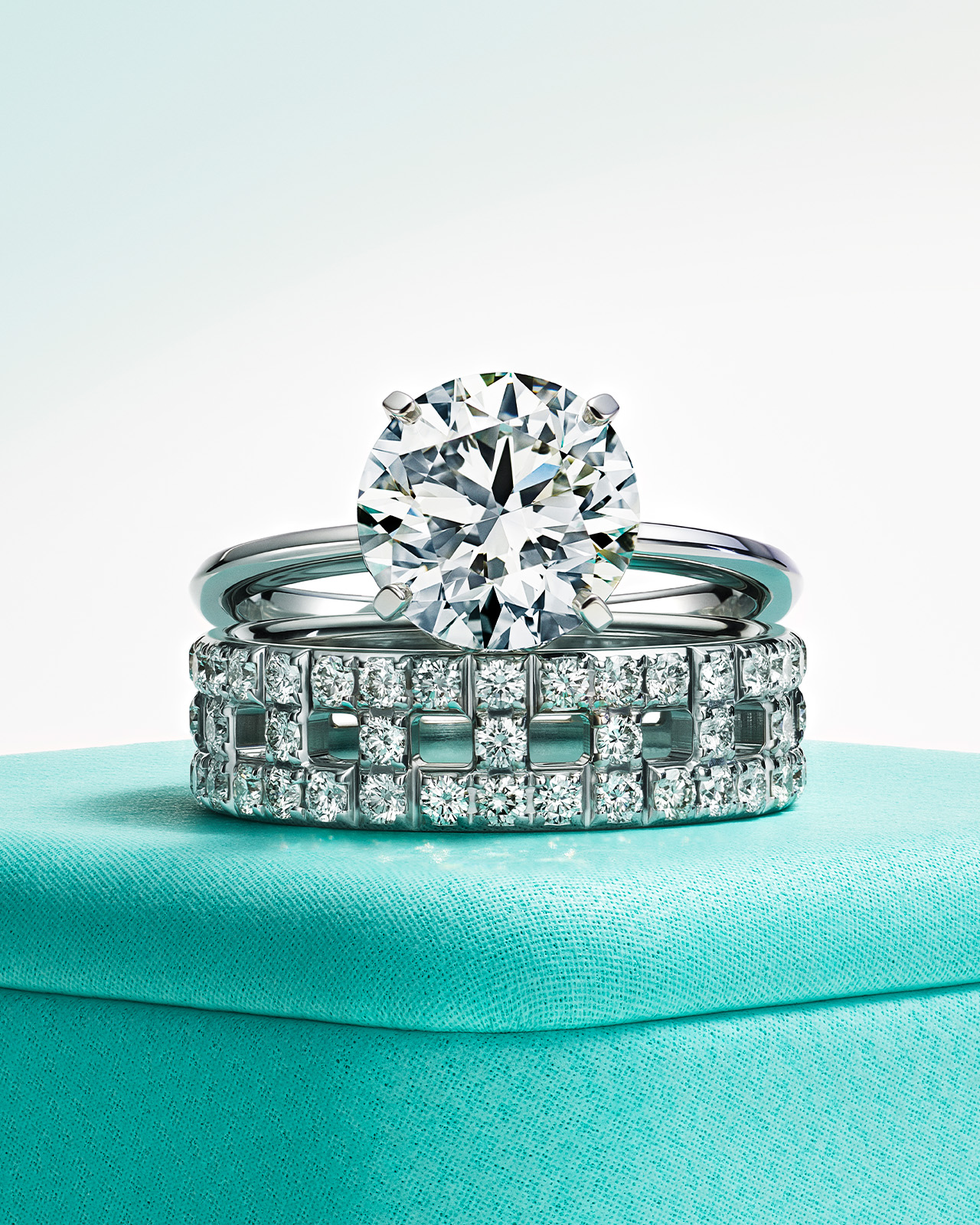
When French luxury titan LVMH finalized its acquisition of Tiffany & Co. for $15.8 billion, it cemented one of the largest retail buyouts in history. Yet, boiling down a legendary merchant of precious stones to a single balance-sheet number misses how modern luxury valuations work. You can't just look at quarterly earnings statements or cash reserves. The true Tiffany & Co. net worth stems from a complex mix of irreplaceable real estate, untouchable brand equity, global retail footprints, and aggressive corporate restructuring.
Understanding how Tiffany commands a multi-billion-dollar valuation requires looking past the iconic blue box. We have to examine historical revenue flows, the mechanics of the LVMH takeover, and the intangible assets that traditional accounting methods regularly overlook.
The Landmark LVMH Acquisition and Valuation Mechanics
To understand what Tiffany is worth today, you have to look at the blockbuster transaction that took the company private. In late 2019, LVMH initially agreed to buy Tiffany for $16.2 billion, or $135 per share. Following pandemic-related market disruptions and high-stakes legal renegotiations, the final price settled at $131.50 per share, valuing total equity at approximately $15.8 billion.
This purchase price wasn't chosen at random. It reflected a steep valuation multiple based on Tiffany's historical earnings and future growth projections in the high-end jewelry market. When LVMH absorbed the brand, Tiffany's trailing annual revenues hovered around $4.4 billion to $5.2 billion, meaning the acquisition price valued the company at roughly 3x to 3.5x its annual top-line revenue—a standard premium for top-tier heritage brands with strong gross margins.
Core Revenue Drivers and Product Segments
Before it was delisted from the New York Stock Exchange, Tiffany's financial disclosures gave a clear picture of how money moved through its stores. The brand's revenue distribution relied heavily on three main product categories:
- Fine and Engagement Jewelry: Accounting for over 50% to 60% of total annual sales, diamond engagement rings and classic fine jewelry collections remain the bedrock of the company's cash flow.
- Designer and Fashion Jewelry: Silver pieces, everyday wear lines, and entry-level collections drive high-volume transactions, capturing younger demographic cohorts.
- Timepieces, Home Goods, and Accessories: Luxury watches, sterling silver home items, and leather goods round out the portfolio, contributing roughly 10% to 15% of total sales.
Geographically, Tiffany operates as a truly global entity. While North America traditionally accounts for nearly half of its sales, the Asia-Pacific region—led by mainland China and Japan—serves as the primary engine for organic growth and retail expansion.
Intangible Assets: The Power of Brand Equity
Traditional balance sheets struggle to capture the true value of a company like Tiffany because a massive portion of its worth is intangible. You can't easily measure the commercial power of the Little Blue Box or the cultural footprint left by Breakfast at Tiffany's.
Brand valuation experts estimate that Tiffany's intellectual property, trademarks, and heritage goodwill add $5 billion to $7 billion in enterprise value. Unlike newer direct-to-consumer jewelry brands that have to spend heavily on digital acquisition channels, Tiffany owns a century-old cultural legacy. This equity allows the company to maintain pricing power, shield its gross margins from economic downturns, and consistently raise prices on classic items without losing core consumers.
Real Estate and Physical Footprint Valuation
Physical location plays a massive role in luxury retail valuation. Tiffany's flagship store at 727 Fifth Avenue in New York City—recently reimagined as "The Landmark"—is more than just a retail storefront; it's a prime piece of Manhattan real estate.
Beyond New York, Tiffany owns or maintains long-term leases on prime retail spaces in high-rent districts across Tokyo, London, Paris, and Hong Kong. Analysts estimate that Tiffany's global real estate portfolio and physical store fixtures represent over $1 billion to $2 billion in underlying asset value. Owning or controlling trophy locations in the world's most expensive shopping corridors protects the brand from wild swings in commercial rent and guarantees physical exclusivity.
Operational Changes Under LVMH Management
Since bringing Tiffany into its massive portfolio, LVMH has systematically overhauled the brand's operational strategy to maximize its valuation potential. Key shifts include:
- Upmarket Positioning: Shifting marketing focus away from lower-priced silver items toward ultra-high-end, multi-million-dollar high jewelry pieces to compete directly with Cartier and Van Cleef & Arpels.
- Store Redesigns: Renovating global flagships to create experiential retail environments that attract younger, affluent luxury buyers.
- Celebrity Marketing: Deploying high-profile global ambassadors to modernize the brand's image and capture market share in digital-first regions.
These strategic pivots have expanded profit margins, allowing Tiffany to contribute significantly to LVMH's lucrative Watches & Jewelry division.
Frequently Asked Questions
Is Tiffany & Co. still a publicly traded company?
No. Following the completion of the LVMH acquisition, Tiffany & Co. was delisted from the New York Stock Exchange and operates as a private subsidiary within the LVMH luxury goods conglomerate.
What was the final acquisition price paid by LVMH?
LVMH acquired Tiffany & Co. for an equity value of $15.8 billion (or $131.50 per share) in an all-cash transaction.
Why is Tiffany's brand equity valued so highly?
Tiffany's iconic branding, history dating back to 1837, protected trademarks, and unmatched cultural footprint allow it to charge premium prices for jewelry, generating reliable high-margin revenue that new competitors cannot easily replicate.
How does Tiffany contribute to LVMH's overall business?
Tiffany anchors LVMH's hard luxury division in the United States, balancing the conglomerate's heavy exposure to European fashion and leather goods houses like Louis Vuitton and Christian Dior.


