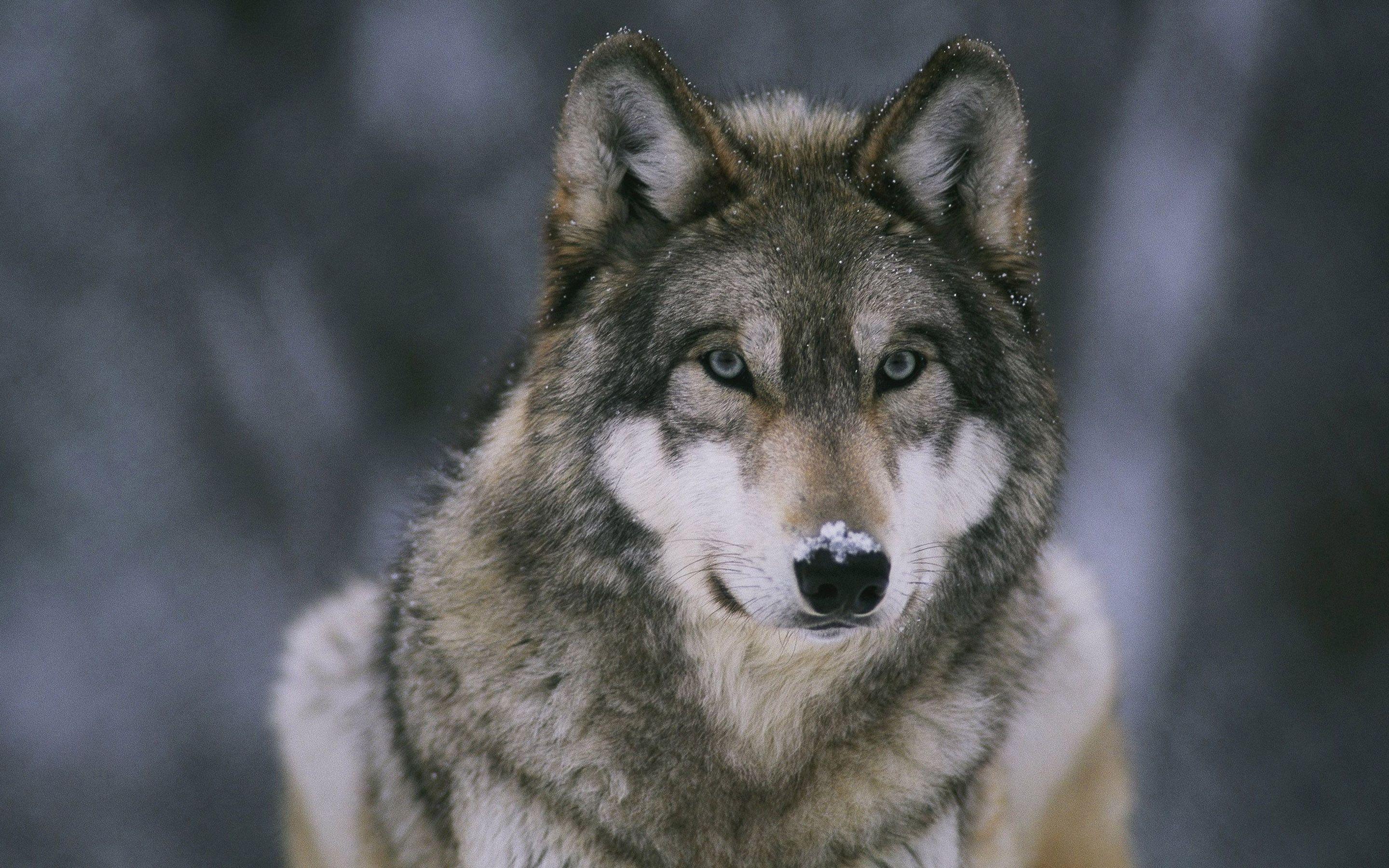
The wolf sitting by tree meme is a striking digital artifact that features a solitary wolf resting peacefully against a rugged tree trunk, often overlaid with stoic or meditative quotes. It surfaced across platforms like Instagram, TikTok, and X (formerly Twitter) to capture a very specific modern mood: the urgent need to pause, ground yourself, and remain utterly unfazed amidst chaos. Unlike hyper-energetic viral trends, this image resonates because it mirrors a deep human desire for calm, inner strength, and quiet perseverance when life feels overwhelming.
Search intent around this viral image spans three distinct curiosities: its actual origins, the psychological mechanisms that make it so compelling, and how people can channel that exact quiet resolve in daily life. Most online write-ups scratch the surface with generic platitudes, leaving readers wanting a deeper look into why specific archetypes resonate so powerfully in digital spaces. Let's break down where this meme comes from, why it struck such a massive nerve, and what it actually teaches us about endurance.
Origins and Evolution of the Wolf Archetype Online
To understand why the image gained traction, we have to look at how wolf imagery functions on the internet. For over a decade, image boards and social feeds have leaned heavily into wolf aesthetics. From edgy 2012-era quote graphics to modern minimalist edits, wolves represent solitude, independence, and untamed survival instincts.
The specific visual of a wolf resting by a tree gained momentum as internet users grew weary of constant hustle culture. Instead of depicting a predator on the hunt, the frame captures stillness. It isn't running, fighting, or howling at the moon; it's simply existing in its environment.
- The Shift from Action to Inaction: Traditional viral motivation usually prizes relentless output. This meme flipped the script by celebrating strategic pause.
- Aesthetic Minimalism: The stark contrast between the lone animal and the steadfast timber provides a visually clean template for text overlays.
- Relatability in Burnout Culture: Millions of viewers working demanding jobs or scrolling through endless bad news saw the resting wolf and projected their own exhaustion and longing for peace onto it.
The Psychology of Quiet Perseverance
Why do millions of people connect with a solitary animal resting against wood? Psychologists point out that visual metaphors help us process complex internal states. When you're dealing with chronic stress or sudden setbacks, your nervous system stays stuck in fight-or-flight mode.
Seeing an apex predator choose absolute stillness communicates a powerful psychological cue. It suggests that true strength isn't about constant reactivity. It's about conserving energy and refusing to panic when your environment is unstable.
Radical Acceptance in Hard Times
When unexpected challenges hit, our first instinct is usually frantic problem-solving. While action matters, panic rarely helps. The wolf sitting by the tree embodies radical acceptance—acknowledging reality without letting it destroy your internal equilibrium.
- Energy Conservation: Predators don't chase every shadow. They wait for the right moment. The meme reminds us to save our emotional energy for battles that actually matter.
- Grounding Techniques: In somatic psychology, physical contact with the earth or structural stability helps regulate anxiety. The wolf leaning against a sturdy tree is a visual masterclass in grounding.
- Solitude as Strength: Modern society treats isolation as a negative state. This image reframes solitude as a necessary sanctuary for mental recovery.
Practical Lessons from the Digital Phenom
It's easy to scroll past a meme and feel a fleeting sense of peace, but translating that digital inspiration into real-world resilience takes deliberate effort. If you want to channel the energy of the resting wolf in your daily routine, you have to build intentional pauses into your life.
- Audit your reactions: When a crisis hits today, pause for sixty seconds before sending an email, making a call, or reacting emotionally.
- Create physical boundaries: Step away from glowing screens and chaotic environments. Spend time outdoors where you can observe nature's slower rhythms.
- Practice selective engagement: You don't need to fight every battle or respond to every piece of bad news. True strength involves choosing your arena.
- Embrace downtime without guilt: Rest isn't a reward you earn after burning out; it's the foundation that makes sustained perseverance possible. You can explore more about sustainable productivity habits through resources like the American Psychological Association.
Cultural Impact and the Search for Meaning
Internet memes often act as modern folklore. They give communities a shared visual language to express feelings that are difficult to articulate. The wolf sitting by the tree functions as an internet-age totem for mental health awareness and burnout recovery.
Artists, creators, and everyday users adapted the template to talk openly about depression, career fatigue, and the quiet dignity of surviving tough seasons. According to cultural commentators tracking digital trends on platforms like Pew Research Center, visual symbols that promote mental stillness consistently outperform aggressive or hyper-competitive content among younger demographics. People are tired of striving blindly; they want to learn how to endure with grace.
Frequently Asked Questions
What does the wolf sitting by the tree meme mean?
It symbolizes patience, emotional control, and quiet resilience during difficult times. Instead of reacting with panic or exhaustion, the wolf represents the choice to stay grounded and wait for the right moment to act.
Where did the meme originate?
While the exact digital template evolved through various fan edits and stock photography mashups on Instagram and TikTok, it builds on a long history of wildlife photography and stoic wolf aesthetics shared across social media.
Why do people find animal memes comforting?
Animals act as neutral emotional canvases. Projecting human emotions onto animals like wolves allows people to process complex feelings of stress, burnout, and survival without feeling overly vulnerable.
How can I apply the message of this meme to my career?
By avoiding knee-jerk reactions to workplace stress, taking intentional mental breaks, and conserving your energy instead of burning out on minor tasks that don't move your long-term goals forward.



