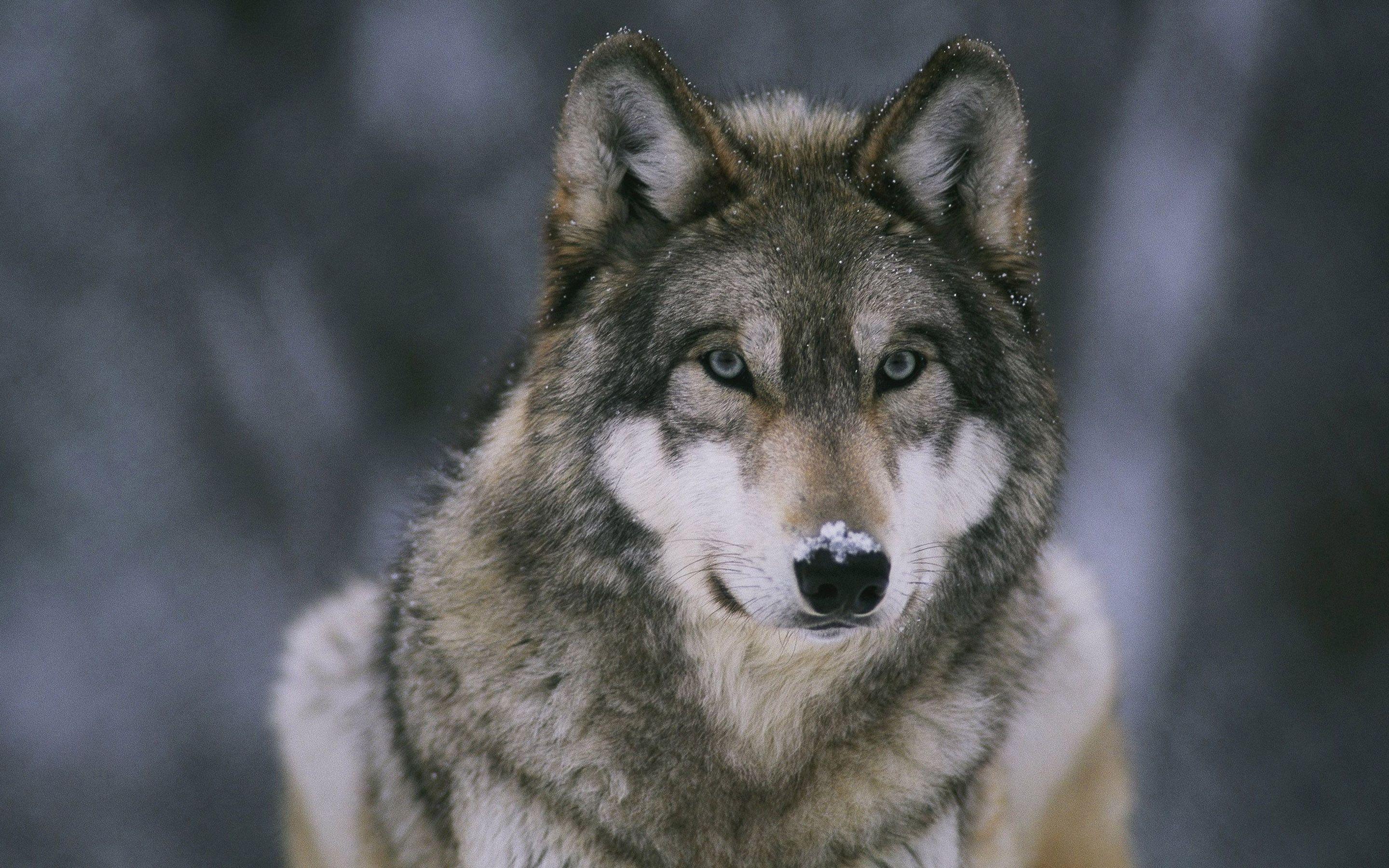
The wolf sit meme features a brooding, anthropomorphic werewolf sitting against a tree or gazing blankly into a bleak landscape. Originating from obscure online art communities, the image transformed into a global viral sensation used to express ironic angst, hyper-masculine posturing, and hyper-relatable modern fatigue.
Understanding this trend requires looking past the surface-level image edits to examine how digital communities repurpose old artwork into new visual languages. This breakdown explores where the image came from, how Spanish-speaking social media networks first catapulted it into viral status, and why it remains an enduring piece of modern meme lore.
The Origin of the Sitting Wolf Image
Long before it became a staple of shitposting culture, the core visual asset was created as original artwork. A DeviantArt user operating under the handle WolfRoad published the digital painting titled "Voices" in April 2015.
The original drawing depicted a horned, gray-furred werewolf character sitting pensively, blending fantasy art tropes with moody adolescent aesthetics. For years, the artwork sat quietly on the platform, gathering modest attention within niche furry and fantasy art circles. WolfRoad produced several adjacent illustrations during this era, including a wolf riding a motorcycle and various characters staring stoically into the distance.
These illustrations carried earnest, dramatic energy common in mid-2010s deviant art spaces. They were designed to look cool and moody rather than funny. However, the distinct posture—hunched, solitary, and intensely melodramatic—made the drawing ripe for eventual reinterpretation.
From DeviantArt to Lobos Con Frases
The transition from serious fantasy art to viral meme format happened in early 2022, primarily driven by Spanish-speaking Facebook groups.
In April 2022, a Facebook user shared the WolfRoad artwork within a Latin American fandom group overlaid with deadpan, overly dramatic, or nonsensical text. This subgenre, colloquially dubbed "Lobos con frases" (wolves with phrases), parodied the unearned macho wisdom found on old inspirational quote pages.
Instead of actual wisdom, the text paired with the brooding wolf featured absurd statements or ultra-mundane observations disguised as deep philosophical epiphanies. The juxtaposition of a hardcore fantasy werewolf with text about mundane life struggles created an instant comedic contrast. Pages like Sentimientos De Un Lobo Solitario helped feed this ecosystem by circulating similar imagery.
Crossing Over Into English-Speaking Social Media
By mid-2022, the trend crossed language barriers and exploded across English-speaking platforms like Twitter, TikTok, and Tumblr.
Users began translating the Spanish image macros or creating entirely new variations. The meme aligned closely with the broader internet trend of "Pics That Go Hard"—an aesthetic category celebrating images that are unintentionally hilarious, overly dramatic, or bizarrely hard-edged.
Rather than mocking the art outright, communities embraced the earnestness of the original drawing while using it as a reaction image for modern exhaustion. If you felt overwhelmed by daily responsibilities, posting the sitting wolf with a sarcastic caption became a quick way to communicate burnout with a layer of ironic distance.
Cultural Significance and the Evolution of Wolf Memes
The wolf sit meme is part of a larger family of internet archetypes centered around wolves, sigma males, and ironic masculinity.
Internet culture has long fixated on wolves as symbols of independence and lone-wolf mentalities, often tracking back to debunked alpha wolf theories. Gen Z and younger internet users leaned into these tropes ironically, creating characters that exaggerate hyper-masculine isolation to absurd degrees.
Other pieces of artwork by WolfRoad, such as the infamous drawing of a wolfman screaming and ripping his shirt open, joined the digital canon around the same time. These images collectively form an unofficial mascot ecosystem for internet users navigating collective fatigue, anxiety, and digital alienation.
According to cultural commentary on Know Your Meme, these formats succeed because they allow users to process heavy emotions through layers of absurdity. When life feels too chaotic, adopting the persona of a melodramatic cartoon werewolf staring blankly at the ocean offers a safe, communal outlet for humor.
Common Misconceptions About the Trend
As memes travel across platforms, details regarding their creation often get distorted. Clearing up a few frequent points of confusion helps explain the real scope of the trend:
- It is not official media: Many casual viewers assume the wolf comes from an anime, video game, or 90s cartoon. In reality, it is independent digital art created by a hobbyist on DeviantArt.
- The artist didn't make the memes: WolfRoad created the source material years before the meme wave, focusing on fantasy character design rather than internet comedy.
- Not all wolf memes are connected: While WolfRoad's catalog accounts for several viral images (including the sitting wolf and the motorcycle wolf), the separate "wolf ripping shirt" meme originated from a different digital creator.
Frequently Asked Questions
Who originally drew the sitting wolf image?
The artwork was created by a DeviantArt user named WolfRoad who published it under the title "Voices" in April 2015.
Why did the wolf meme become popular in 2022?
The image gained massive traction after being posted in a Spanish-speaking Facebook group paired with absurd, deadpan philosophical text, which quickly spread to TikTok and Twitter as an ironic reaction template.
What does "Pics That Go Hard" mean in relation to this meme?
"Pics That Go Hard" is an internet label given to images that look intensely cool, dramatic, or edgy in a way that wraps around to being genuinely funny or endearing.
Is the wolf sit meme still active today?
Yes, variations of the sitting wolf and related WolfRoad illustrations regularly cycle through social media feeds as standard shorthand for dramatic exhaustion or satirical alpha-male posturing.



