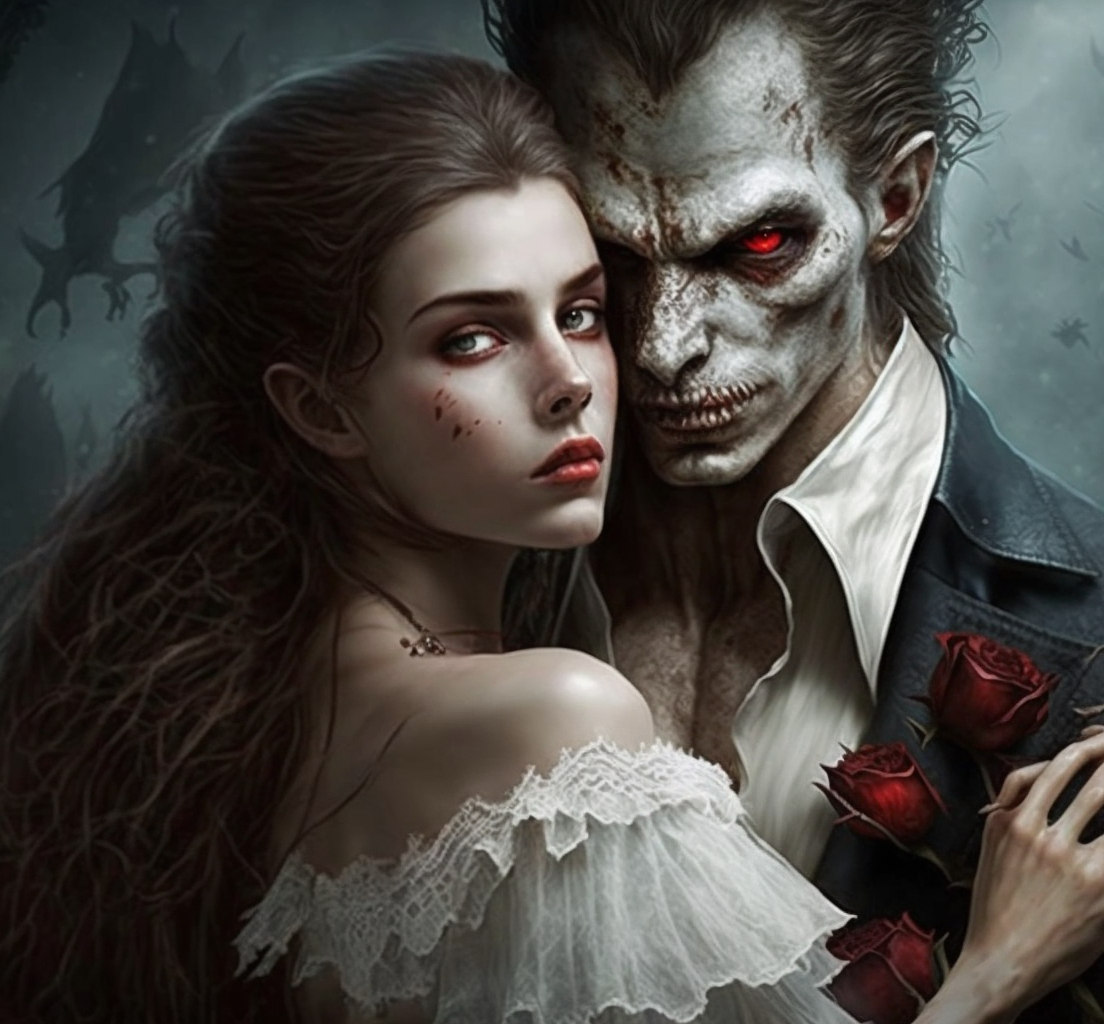
When Robert Pattinson stepped onto the screen as Edward Cullen in 2008, he didn't just star in a movie; he anchored a cultural lightning rod. That single casting choice by director Catherine Hardwicke upended teen cinema, launched a multi-billion dollar box office juggernaut, and burned a specific archetype into the collective memory of a generation. It is rare for a single performance to completely dictate the aesthetic of a decade's pop culture, yet the vampire twilight actor managed to pull it off through a strange mixture of brooding intensity, physical transformation, and accidental camp.
Understanding the magnitude of this role requires looking past the sparkling skin and the memes. The performance created a blueprint for supernatural romance that Hollywood still tries to replicate today. Let us examine how one casting decision reshaped a career, defined an era of fandom, and set a standard that changed teen fantasy forever.
The Caster's Gamble: Finding Edward Cullen
Before 2008, Robert Pattinson was mostly known as Cedric Diggory in Harry Potter and the Goblet of Fire or as an indie actor cutting his teeth in smaller British productions. He wasn't a household name. When auditions opened for Stephenie Meyer's adapted novel, thousands of young hopefuls auditioned for the role of the 104-year-old vegetarian vampire.
Director Catherine Hardwicke faced an immense hurdle. How do you cast a character written as impossibly handsome, dangerous, ancient, and emotionally tortured without looking ridiculous?
Pattinson showed up to his audition at Hardwicke's house having dyed his hair jet black and sporting a fringe. He was unemployed, couch-surfing in Los Angeles, and deeply unprepared. Yet, his raw, slightly unhinged read stood out. He brought a sense of physical danger and genuine psychological alienation that saved the character from sliding into standard teen-idol territory.
Anatomy of a Cultural Archetype
What made this specific performance resonate so deeply with millions of readers and moviegoers? It wasn't just the brooding glances or the heavy leather jackets. It was a precise construction of modern fantasy tropes.
- The Agony of Restraint: Unlike traditional bloodthirsty monsters, Edward’s primary conflict was internal. Pattinson played him as someone perpetually disgusted by his own predatory nature, creating a sympathetic hook for viewers who connected with teenage angst.
- The Ethereal Aesthetic: The production design relied heavily on pale makeup, amber contacts, and a rigid posture. Pattinson committed to the physical stillness, making his movements look sharp and non-human.
- Intense Vulnerability: The romance worked because the performance balanced toxic protectiveness with genuine emotional exposure, setting a template for modern YA love interests.
The films grossed over $3.3 billion globally, turning the central cast into overnight prisoners of paparazzi culture. For millions of teenagers who grew up reading the books in middle school and high school, this specific interpretation of the character became the default face of romantic fantasy.
The Shadow of Typecasting
Carrying an entire generation's fantasy comes with heavy career baggage. Right after the franchise wrapped in 2012, Pattinson faced a massive wall of public perception. Audiences and casting directors saw him only as a brooding, sparkling immortal.
Instead of chasing mainstream blockbusters right away, he took a sharp left turn. He deliberately dove into gritty, low-budget indie cinema to burn down his teen-idol image piece by piece.
- The Rover (2014) cast him as a twitchy, brain-damaged southern criminal in a dystopian Australian outback.
- Good Time (2017) featured him as a desperate, frantic bank robber dragging his intellectually disabled brother through a neon-soaked New York night.
- The Lighthouse (2019) paired him with Willem Dafoe for a claustrophobic descent into madness on an isolated New-England rock.
These choices weren't just random experiments; they were a calculated demolition of the vampire twilight actor persona. By working with auteur directors like David Cronenberg, the Safdie brothers, and Robert Eggers, he proved his range far outside the boundaries of young adult fantasy. Eventually, this rehabilitation earned him a path back to major studio tentpoles on his own terms, such as starring in Matt Reeves' The Batman.
Why the Impact Endures
Decades after the final film hit theaters, the cultural footprint of the franchise refuses to fade. Fan conventions, TikTok edits, and constant re-watches prove that the nostalgia surrounding this era is potent. It represents a specific time in internet history when midnight book releases, physical magazines, and fan forums dictated pop culture before streaming algorithms took over.
The vampire twilight actor remains a fascinating case study in modern celebrity. It shows how one role can simultaneously trap an actor in amber and provide them with the financial freedom to build an uncompromising, daring artistic career later on.
Frequently Asked Questions
Did Robert Pattinson like playing Edward Cullen?
He has expressed mixed feelings over the years. In early interviews during the press tours, he often joked about the absurdity of the plot and the character's internal contradictions. In later reflections, he acknowledged the unique pressure of the role while expressing gratitude for the career doors it ultimately opened.
How many Twilight movies were made?
The franchise consists of five feature films split across four books: Twilight (2008), The Twilight Saga: New Moon (2009), The Twilight Saga: Eclipse (2010), The Twilight Saga: Breaking Dawn – Part 1 (2011), and The Twilight Saga: Breaking Dawn – Part 2 (2012).
Who else was considered for the role of Edward Cullen?
Before Pattinson secured the part, Henry Cavill was author Stephenie Meyer's top choice, though by the time production began, Cavill was considered too old to play a teenager. Other actors like Shiloh Fernandez and Jackson Rathbone also tested for the role, with Rathbone eventually cast as Jasper Hale instead.
How did the role change teen cinema?
The massive financial success of the franchise triggered a wave of supernatural book adaptations in Hollywood throughout the late 2000s and early 2010s, shifting studio focus heavily toward young adult fantasy franchises that featured complex romantic triangles and dark mythological elements.


