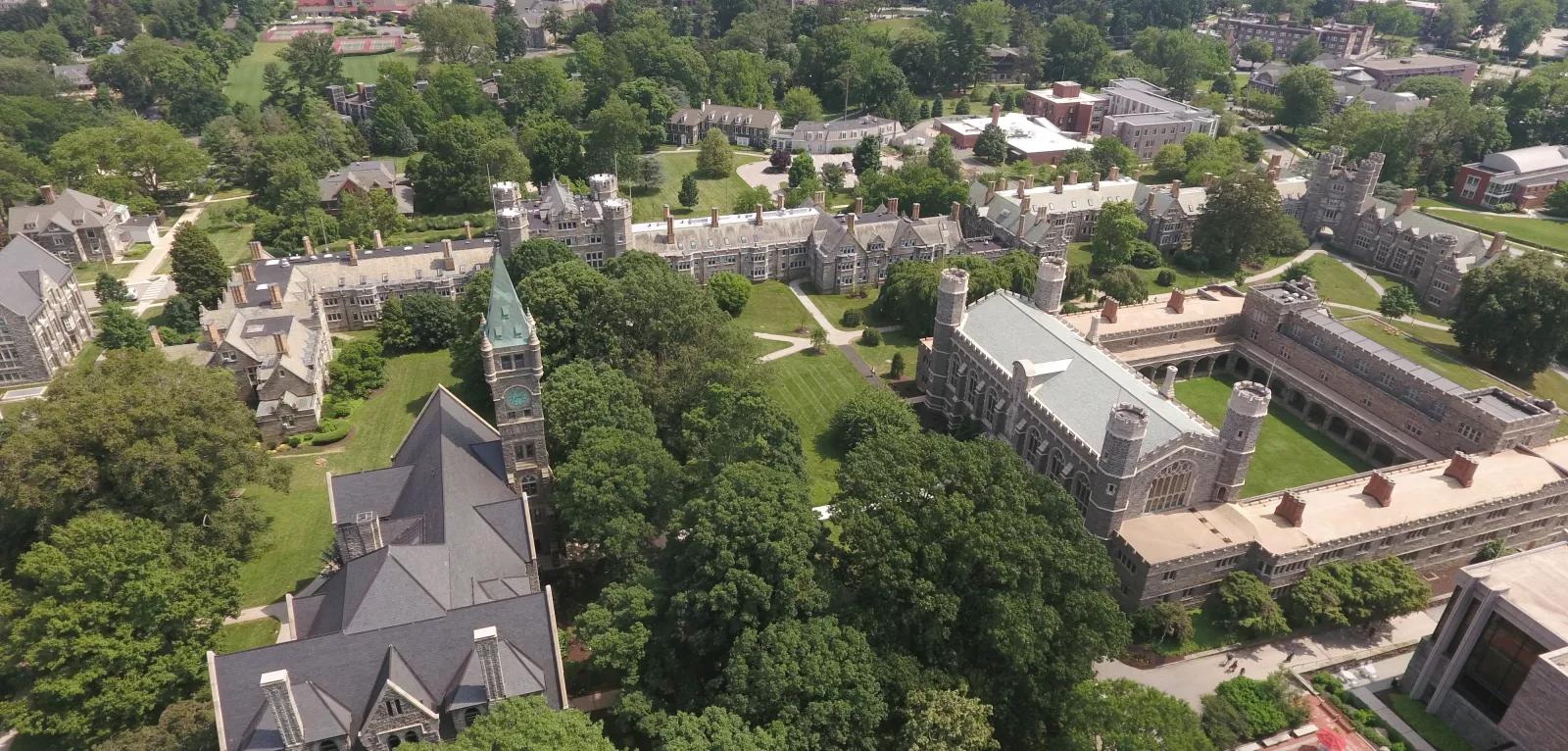
Public research institutions carry a heavy load in American society. They must drive economic growth, protect free inquiry, and remain accessible to local students while weathering fierce political and financial crosswinds. The University of Missouri, often called Mizzou, serves as a clear mirror for these systemic pressures. From pioneering the study of journalism through the practical application of the Missouri Method to facing intense campus protests, its history maps the exact fault lines defining modern academia.
Understanding how a single land-grant campus reflects broader national trends requires looking past surface-level narratives. Higher education faces structural funding shifts, fierce cultural debates, and changing student expectations. Mizzou's trajectory offers a roadmap of both the vulnerabilities and the enduring strengths of the American public university model.
The Land-Grant Mission and Early Foundations
Established in 1839 in Columbia, Missouri, the institution was the first public university west of the Mississippi River. Its initial charter aimed to blend classical learning with practical utility, a vision later supercharged by the Morrill Land-Grant Acts. These federal acts transformed agricultural and mechanical instruction, embedding state universities deeply into regional economies.
For decades, this model generated immense public trust. Universities trained local workforces, provided agricultural extension services to rural counties, and served as engines of upward mobility. Mizzou embodied this promise by expanding professional schools, most notably founding the world's first independent school of journalism in 1908. This program revolutionized training by prioritizing hands-on reporting ethics over purely theoretical study.
Yet, this reliance on public funding and state alignment left institutions vulnerable to shifting political priorities. As state legislatures trimmed higher education appropriations over the late twentieth century, public flagships had to pivot toward out-of-state tuition, private fundraising, and commercial research grants. This financial restructuring altered the social contract between the state university and its local constituency.
The Crucible of Campus Activism
Few episodes captured the fragile balance of modern campus governance as sharply as the 2015 student protests at Mizzou. Sparked by administrative responses to racial campus incidents, student-led activism—amplified by a historic boycott from the university's football team—resulted in the resignation of top leadership.
This movement served as a national case study for several critical issues:
- Administrative accountability: College leaders are increasingly held personally and institutionally responsible for campus climate and student welfare.
- The power of student-athlete leverage: The economic engine of collegiate sports provided student-athletes with unprecedented influence over institutional decision-making.
- Media scrutiny: The crisis highlighted how rapidly local campus grievances scale into national political battlegrounds through digital networks and 24-hour news cycles.
The aftermath brought immediate operational consequences, including sharp enrollment declines and budget adjustments. It forced university leaders across the country to reevaluate how they communicate with student bodies, manage internal dissent, and navigate polarized public expectations. You can read more about the broader evolution of public universities through historical analyses provided by the American Council on Education.
Financial Pressures and the Enrollment Puzzle
Public universities operate in an era of demographic contraction and public skepticism regarding the return on investment of a college degree. Mizzou's enrollment fluctuations following mid-decade controversies exposed the fragile economics of higher education. When institutional reputation dips, tuition revenue drops immediately, forcing difficult structural choices across academic departments.
To counter these pressures, modern universities must diversify revenue streams. Research productivity remains a primary anchor. Major research universities secure federal grants, partner with private industries, and commercialize intellectual property. However, balancing high-level research output with affordable undergraduate education remains a permanent tightrope walk.
Navigating Academic Freedom and Free Speech
Public institutions are legally bound by the First Amendment, making them arenas for intense ideological friction. Faculty members, invited speakers, and student groups frequently test the boundaries of acceptable discourse.
Administrators face a dual mandate: protecting the unhindered exchange of ideas while ensuring a safe, inclusive learning environment for a diverse student population. When controversies erupt, they routinely trigger legislative oversight. Lawmakers frequently introduce bills regulating tenure, curriculum, and campus speech policies, directly challenging institutional autonomy.
This tension is not unique to Missouri; it represents a nationwide renegotiation of the relationship between taxpayers, state governments, and academic institutions. Maintaining public trust requires transparency and a steadfast defense of rigorous, evidence-based inquiry.
The Ongoing Triumph of Research and Community Impact
Despite structural and cultural trials, Mizzou's core contributions illustrate why the American research university remains globally influential. Institutional output extends far beyond classroom walls into medical breakthroughs, agricultural science, and regional workforce development.
Land-grant universities drive innovation through initiatives like the National Science Foundation partnerships, fostering regional technology hubs and commercializing life-saving therapeutics. Graduates feed local and national pipelines in engineering, education, and healthcare. This "brain gain" ensures that public universities deliver long-term economic dividends that vastly outweigh initial state appropriations.
Ultimately, the university acts as a living laboratory for American democracy. Its trials reveal the deep fractures of a polarized society, while its triumphs prove the resilience of institutions dedicated to the generation and dissemination of knowledge.
Frequently Asked Questions
What role did the 2015 protests play in shaping modern campus policies?
The 2015 protests forced university administrators nationwide to re-examine how they handle reports of bias, student grievances, and crisis communication. Many institutions established dedicated inclusion offices, revised reporting protocols, and implemented mandatory diversity training for staff and faculty.
How do land-grant universities differ from private institutions?
Land-grant universities were established to expand access to higher education for working-class citizens, focusing on agriculture, science, engineering, and military science alongside the liberal arts. They rely partly on state funding and have a public mandate to serve local economic and workforce needs.
Why do public universities experience enrollment shifts during controversies?
Prospective students and their families monitor institutional stability, campus culture, and safety when selecting a college. High-profile conflicts can damage a university's brand perception, leading students to choose competing institutions and impacting tuition-dependent budgets.
What is the Missouri Method in journalism education?
The Missouri Method is an educational philosophy centered on learning by doing. Students work directly for professional, campus-run media outlets—including commercial television stations, daily newspapers, and digital newsrooms—gaining hands-on professional experience before graduation.



