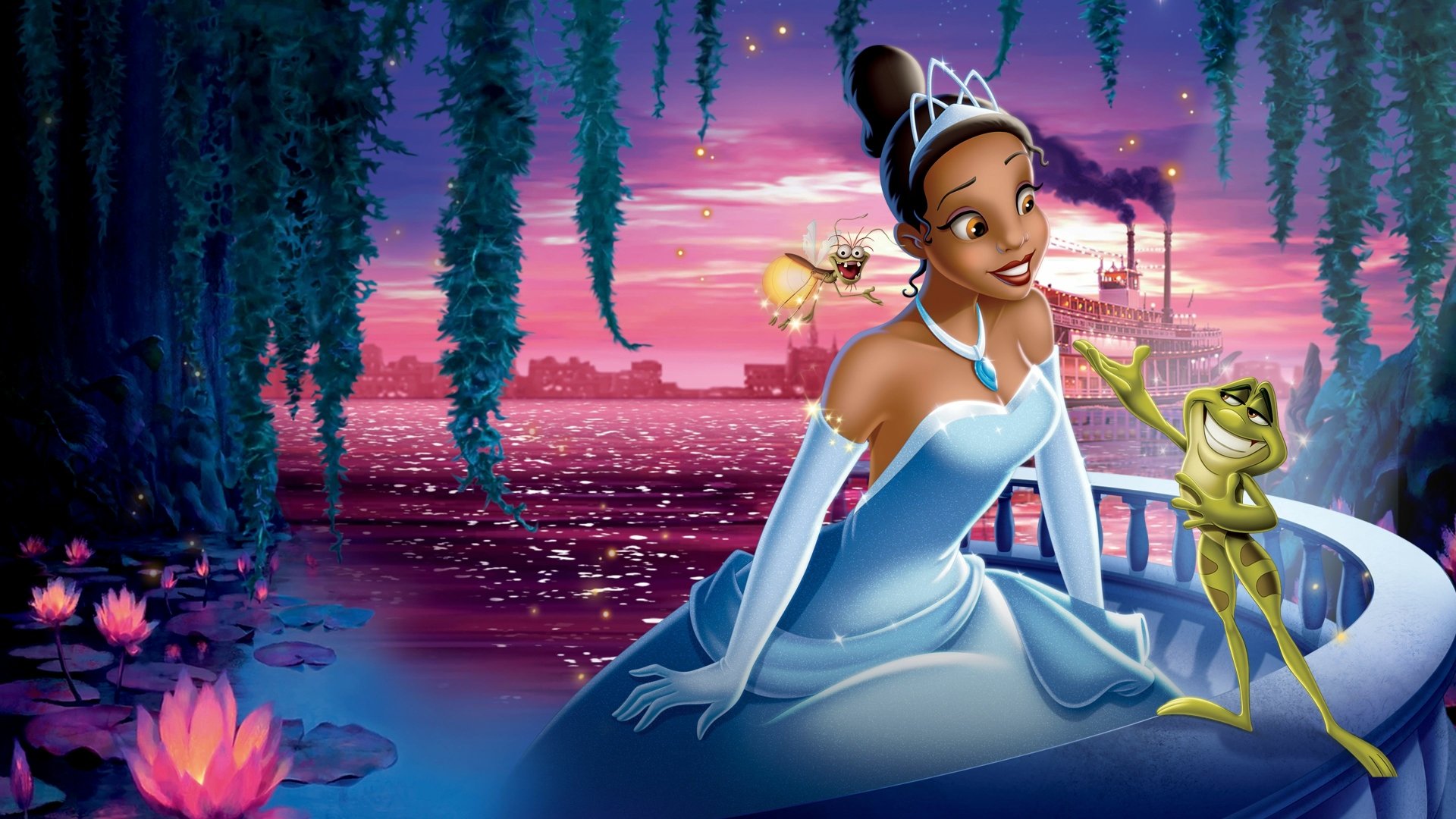
When The Princess and the Frog premiered, it arrived under an immense weight of corporate and cultural expectations. Disney had spent years leaning heavily into computer-generated features, yet this film marked a deliberate return to traditional hand-drawn animation. At the same time, it introduced the studio's first Black princess, a milestone that fans and critics had demanded for decades. Beneath the surface of this musical romance lies a strange structural contradiction often called the Tiana paradox. While the movie modernized the classic fairytale blueprint by replacing passive dreaming with hard labor, it simultaneously trapped its protagonist in a literal animal form for a massive portion of the runtime, sidelining her human agency during her own feature film.
Understanding this paradox requires looking at how Disney restructured classic tropes to reflect modern socioeconomic realities while remaining tethered to formulaic storytelling conventions. Traditional fairytales rely on royal lineage, magical escapes, and instantaneous transformations from poverty to privilege. Tiana shatters this initial premise completely. She doesn't wait for a prince or a stroke of midnight; she works two grueling jobs in 1920s New Orleans, scrubbing floors and saving every single cent to achieve her late father's dream of opening a restaurant. Her narrative establishes a powerful real-world parallel about systemic hurdles, racial barriers in the labor market, and the sheer exhaustion of trying to bootstrap your way into prosperity without generational wealth.
The friction begins the moment the magic enters the frame. Dr. Facilier's voodoo shadow magic and Prince Naveen's reckless lifestyle collide with Tiana's strict pragmatism. When Naveen gets turned into a frog and mistakes Tiana for a princess because of her costume at a masquerade ball, he kisses her, expecting a standard fairytale reversal. Instead, Tiana transforms into a frog too. This plot twist creates the central structural flaw of the film. For the majority of the second act, the character who represents Black working-class determination is literally stripped of her human voice, her mobility, and her hard-won restaurant savings, forced to hop through the bayous of Louisiana alongside a pampered, penniless foreign prince.
This creative decision sparked intense debate among animation historians and cultural critics. On one hand, placing Tiana in the bayou allows the film to embrace a rich New Orleans folklore aesthetic inspired by classic Southern literature and jazz culture. On the other hand, it sidelines the human representation that audiences had waited decades to see. Instead of watching a Black woman navigate the bustling streets, jazz halls, and discriminatory business boards of Jim Crow-era New Orleans, viewers watch green amphibians navigate alligator attacks and firefly romances. The studio attempted to subvert the fairytale blueprint, yet it accidentally fell back on an old animation crutch: removing the human protagonist from their actual human environment for dramatic convenience. To explore the bigger picture, check out the excellent report by The New York Times.
The socio-economic realism of Tiana's journey also invites a deeper critique of modern capitalism disguised as a fairytale. When Tiana finally achieves her goal at the end of the film—buying and opening her restaurant, Tiana's Palace—the narrative frames it as the ultimate triumph of individual grit. Yet, the framing glosses over the systemic barriers that made her struggle so punishing in the first place. Real-world structural inequalities aren't easily solved by kissing a prince or working twice as hard as everyone else. By wrapping a gritty tale of labor and financial anxiety in a magical musical package, the movie creates a tonal dissonance. It asks us to root for corporate-style entrepreneurial success while simultaneously acknowledging that the system itself required a literal act of voodoo and royal marriage to finally throw open the doors.
Despite these narrative tensions, the cultural footprint of the film remains immense. Tiana forced Walt Disney Animation Studios to confront its lack of diverse protagonists, paving the way for subsequent heroines like Moana and Raya who operate entirely outside traditional European royal frameworks. The film also revitalized interest in hand-drawn artistry, proving that traditional animation could still capture complex atmospheric lighting, vibrant cityscapes, and fluid character choreography.
To evaluate the film fairly, we have to look past both uncritical praise and overly harsh cynicism. It is a transitional artifact. It represents a studio trying to modernize its foundational myths while still relying on talking animals and magical resolutions to wrap up messy human problems. The Tiana paradox reminds us that representation in media is rarely straightforward. Giving a marginalized character a voice often involves negotiating with legacy formulas that were built for entirely different eras and ideologies.
Examining the New Orleans Setting and Historical Context
The backdrop of 1920s New Orleans functions as more than a colorful postcard; it shapes every aspect of Tiana's worldview. Jazz, segregation, culinary traditions, and the aftermath of the First World War form an intricate socioeconomic web. Unlike fairytale kingdoms situated in generic medieval forests, New Orleans grounds the magical elements in a hyper-specific American reality.
Tiana's father, James, instills in her the belief that cooking is a universal language that brings people together across racial and economic lines. However, the film shows glimpses of the harsh dividing lines of the era. When Tiana attempts to purchase an old sugar mill for her restaurant, the wealthy, white real estate brokers dismiss her out of hand, laughing at her modest bank book and questioning whether a woman of her background could ever manage such an enterprise. This scene cuts straight through the magic, offering a brutally realistic depiction of redlining and institutional bias.
Yet, this realism creates a storytelling trap. By introducing genuine historical prejudice into the narrative, the script sets up an expectation that Tiana's triumph will involve overcoming those systemic blocks through strategy, community organizing, or structural change. Instead, the problem is resolved through a combination of magical inheritance, Prince Naveen's royal status, and a sudden change of heart by the white property owners after Naveen poses as a wealthy benefactor. The victory feels slightly compromised because it relies on the very aristocratic structures Tiana spent her life working around.
The Transformation Trap in Animated Traditions
Turning main characters into animals is a long-standing Disney tradition, dating back to Pinocchio, Bambi, and The Emperor's New Groove. However, the stakes change dramatically when the transformation happens to a historically underrepresented protagonist. When an audience sees a white male character turned into a beast or a bear, the conceit is read as a universal human parable about ego or empathy. When the studio's first Black princess spends the vast majority of her cinematic debut hopping on lily pads, the visual messaging carries a completely different cultural weight.
Critics often point out that this creative choice accidentally mirrored a broader pattern in Hollywood history where marginalized actors are hidden behind CGI, voice modulation, or non-human avatars. While the animation team worked hard to ensure Tiana's personality, intelligence, and grace shone through her frog form, the physical disconnect remained. Viewers missed out on seeing a Black woman's facial expressions, fashion, and physical presence anchor the emotional climax of the movie.
This pattern forced subsequent animation projects to reevaluate how they handle identity and transformation. When Disney developed later cultural stories, creators made sure the protagonists remained firmly in their human skin throughout their transformative journeys, ensuring that physical representation matched cultural visibility.
The Evolution of the Disney Princess Blueprint
To appreciate why Tiana's story caused such a stir, we have to contrast her with the classic princess archetypes of the twentieth century. Snow White, Cinderella, and Sleeping Beauty were defined by their passivity, their domestic service under abusive guardians, and their rescue by a passing prince. They were archetypes of an older European folklore tradition where agency was largely unnecessary because fate did all the heavy lifting.
The Disney Renaissance of the 1990s introduced a shift toward independent heroines like Ariel, Belle, and Mulan. These characters possessed clear desires and rebelled against domestic or societal constraints. Yet, Belle still wound up in a castle waiting for a curse to break, and Ariel traded her voice for romantic validation. Tiana pushed the pendulum further in the direction of economic independence. She didn't want a man; she wanted a stove, a lease, and a bustling dining room.
This shift reflects broader shifts in female workforce participation and cultural expectations regarding career versus romance. By making labor the core driver of the protagonist's identity, the film aligned with modern feminist discourse about self-reliance. The irony, of course, is that the narrative ultimately forces her back into a traditional romantic resolution, marrying a prince and becoming royalty anyway. The blueprint was stretched, but it refused to snap completely.
Common Misconceptions About The Princess and the Frog
Many casual viewers misinterpret the film's message regarding hard work and ambition. It is easy to view Tiana's journey as a straightforward celebration of the American dream, suggesting that anyone who works two jobs can overcome structural poverty. However, a closer look reveals a more cynical subtext about the exhaustion of modern labor.
Another common misconception is that the film failed at the box office because of its subject matter or hand-drawn format. In reality, the movie performed respectably against a crowded holiday release schedule, though it suffered from corporate hesitation and conservative marketing campaigns that worried about how a southern fairy tale featuring race relations would play in international markets.
Finally, some critics argue that the film invented voodoo tropes for comedic effect, ignoring the rich, syncretic history of Louisiana Vodou. While Hollywood certainly sensationalized the spiritual practices through the villainous Dr. Facilier, the character of Mama Odie draws on the archetype of the hoodoo root worker and traditional spiritual healer found throughout the American South.
Frequently Asked Questions
Why was Tiana turned into a frog for so much of the movie?
The filmmakers wanted a buddy-comedy adventure in the style of classic screwball comedies, pairing two opposites—a hyper-pragmatic working woman and a lazy, carefree prince—in a high-stakes survival scenario. Unfortunately, this narrative choice inadvertently removed the human representation fans had anticipated for years.
How does the movie reflect the history of 1920s New Orleans?
The film incorporates the city's rich jazz culture, culinary traditions, and specific architectural styles. It also nods to the stark economic divide of the Jim Crow era, showcasing real barriers to property ownership and business loans for marginalized citizens.
Is Tiana considered an official Disney Princess?
Yes, Tiana was officially crowned as the ninth member of the Disney Princess franchise during a ceremony at the New York Palace Hotel in 2010, cementing her permanent place in corporate merchandising and media history.
What impact did the film have on Disney's animation style?
While it was the last major traditional hand-drawn animated feature released by the studio for many years, it proved that classical techniques could still deliver complex character animation, rich atmospheric effects, and critically acclaimed musical numbers.



