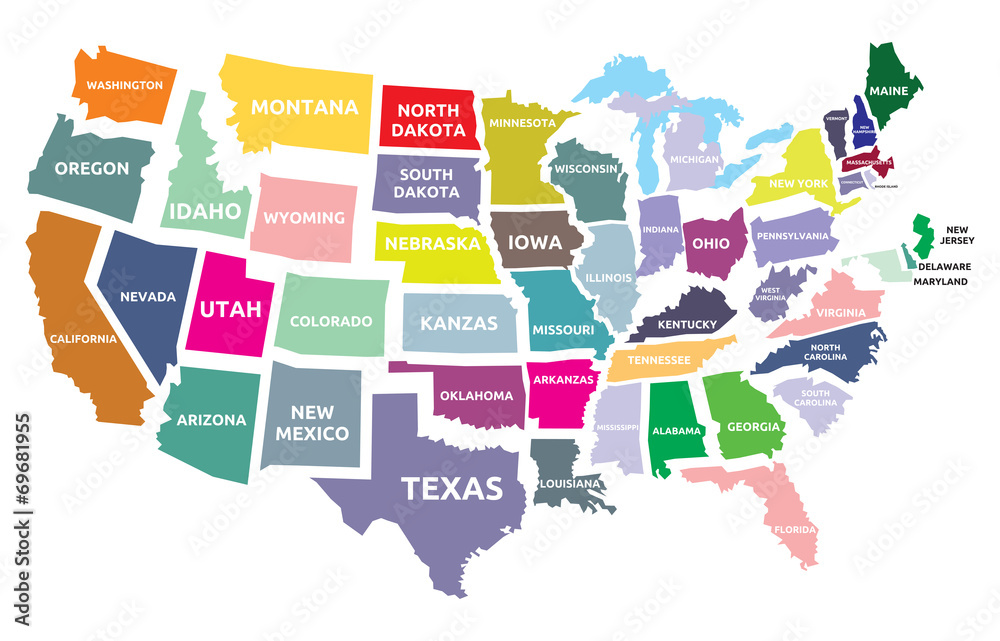
The eastern United States combines high-density urban corridors, historical significance, and diverse economic drivers that influence national policy and culture. Spanning from the Atlantic seaboard inland toward the Appalachian and midwestern borders, this macro-region supports millions of residents across distinct sub-regions. Understanding how these states function requires looking past broad generalizations to examine specific economic clusters, demographic shifts, and infrastructure demands.
Geographically, the eastern region breaks down into clear sub-sectors rather than a single homogeneous zone. The northeastern seaboard features tightly packed metropolitan complexes, while the mid-Atlantic and southeast sectors feature sprawling suburban networks and rapid population growth. Economically, the region houses major global financial institutions, federal governance hubs, and specialized manufacturing centers, creating a resilient mosaic of commercial activity.
Defining the Eastern Region
Geographers and economists divide the eastern United States into distinct corridors. The classic Northeast corridor runs from Maine down through New York, New Jersey, Pennsylvania, and Maryland. This zone is characterized by mass transit systems, historical ports, and dense urban clustering.
Further south, the South Atlantic sector includes Virginia, North Carolina, South Carolina, Georgia, and Florida. This area experiences distinct demographic patterns, driven largely by net domestic migration from northern states. People move south for lower housing costs, expanding job markets, and milder climates. Meanwhile, inland states like Ohio, West Virginia, and parts of Tennessee tie the eastern demographic footprint directly into the industrial midwest and Appalachian interior.
- Northeast Corridor: High population density, extensive commuter rail networks, and major financial headquarters.
- Mid-Atlantic Hub: A blend of federal governance, defense contracting, biotech research, and shipping logistics.
- Southeast Growth Belt: Rapidly expanding metropolitan areas, manufacturing plants, and major international shipping ports.
Economic Pillars and Industry Clusters
The economic footprint of the eastern states extends far beyond traditional finance. While Wall Street in New York City remains a dominant force for global capital allocation, other states have carved out specific high-value sectors.
North Carolina's Research Triangle anchors a massive cluster for biotechnology, pharmaceuticals, and software development. Virginia and Maryland host extensive defense contractors, aerospace engineering firms, and cybersecurity headquarters due to their proximity to the federal government in Washington, D.C.
Manufacturing has also evolved across the region. Rather than relying solely on heavy smokestack industries, states like Ohio and Pennsylvania maintain specialized production lines focusing on advanced materials, automotive components, and energy equipment. Major ports in New Jersey, Virginia, and Georgia handle billions of dollars in containerized cargo, serving as critical links in international supply chains.
Infrastructure Demands and Aging Systems
Growth across the eastern states brings severe infrastructure strain. Many core transit systems, bridges, water treatment plants, and power grids were built over a century ago. Maintaining these assets requires billions of dollars in public and private capital.
Commuter rail lines in the Northeast require continuous track modernization and tunnel repairs to prevent systemic delays that cost regional economies millions daily. At the same time, southern states face the challenge of rapidly expanding road networks and suburban sprawl, requiring new utility installations that keep pace with housing developments.
- Transit Modernization: Upgrading legacy rail lines and commuter tunnels to handle higher passenger volumes safely.
- Grid Resiliency: Reinforcing power transmission lines against severe weather events and seasonal storms.
- Water Infrastructure: Replacing aging lead service lines and upgrading stormwater management to handle shifting weather patterns.
Climate Pressures and Coastal Vulnerability
Geography dictates vulnerability. The eastern seaboard faces distinct environmental pressures, most notably rising sea levels and intensifying seasonal storm patterns. Coastal communities from Miami up to Boston invest heavily in resilient infrastructure, including sea walls, elevated roadways, and updated zoning laws that restrict building in flood-prone zones.
Inland areas face different risks, including heavy inland flooding and severe summer storms. State governments coordinate through regional compacts to manage shared river basins, air quality standards, and emergency response resources. Balancing coastal protection with inland environmental management remains a primary policy focus for state legislatures throughout the region.
Frequently Asked Questions
Which states are typically included in the eastern region of the U.S.?
Definitions vary by context, but the region generally includes all states bordering the Atlantic Ocean from Maine to Florida, alongside inland neighbors like Pennsylvania, West Virginia, Ohio, and Vermont.
Why are populations shifting toward the southeastern states?
Lower living costs, business-friendly tax structures, warmer weather, and expanding job markets in cities like Atlanta, Charlotte, and Jacksonville drive consistent net migration southward.
How do eastern states fund major infrastructure repairs?
Funding comes from a mix of federal grants, state gasoline taxes, toll revenues, private-public partnerships, and municipal bonds issued for specific long-term capital projects.
What is the primary economic driver of the Northeast corridor?
Finance, corporate headquarters, higher education, healthcare, and international legal and consulting services form the backbone of the northeastern economy.



