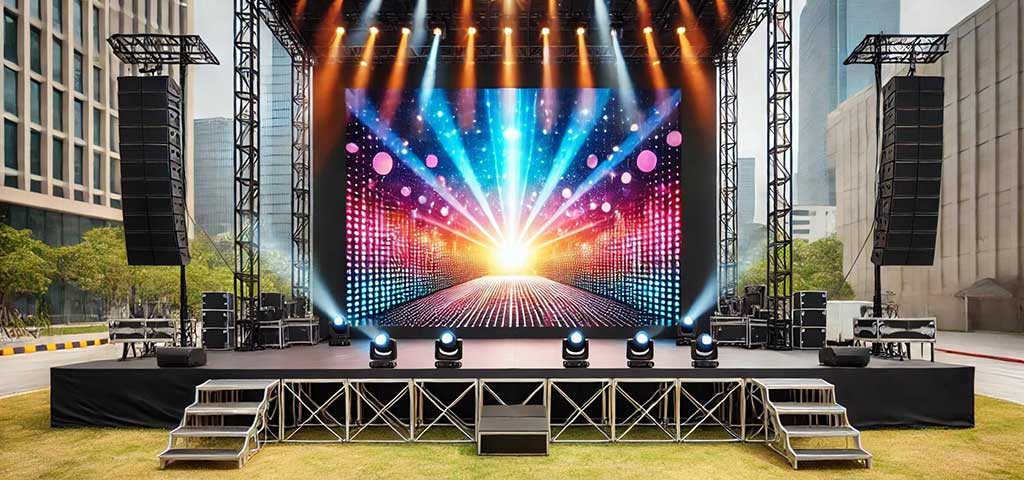
Modern stage lighting operates far beyond basic visibility, functioning as a silent narrative engine that dictates emotional tone, focus, and pacing. Contemporary theatrical illumination blends precise LED fixtures with analog warmth to shape audience perception in real time.
Lighting designers and performance directors collaborate from the earliest rehearsal stages to ensure that illumination responds fluidly to actor movement and psychological arcs. This shift from static technical support to dynamic storytelling requires an understanding of color psychology, spatial composition, and fixture mechanics.
The Evolution of Theatrical Lighting Design
Historically, stage illumination served a purely functional purpose: ensuring the audience could see the actors and physical sets. Traditional incandescent fixtures, follow-spots, and fixed gel frames created static moods that changed only during scene transitions.
The integration of programmable automated fixtures and solid-state lighting changed this dynamic. Designers now manipulate color temperature, beam angles, and intensity mid-scene without moving physical hardware. This flexibility transforms light into a flexible medium that reacts to dialogue, tempo shifts, and subtext.
Modern lighting setups rely on several core elements to build depth:
- Ambient washes: Providing baseline visibility and establishing the general atmospheric environment of a scene.
- Key and fill lighting: Sculpting facial features, defining physical dimensions, and separating performers from background scenery.
- Specialized specials: Using narrow-focus spot fixtures to draw the eye toward specific props, character expressions, or narrative focal points.
Marrying Performance and Technical Cues
The relationship between actors and lighting designers dictates the success of a visual sequence. When lighting cues are programmed in isolation from rehearsals, the result feels mechanical and disconnected from the performers' emotional cadence.
Collaborative staging involves choreographing light alongside blocking. When an actor moves across the stage, tracking fixtures or zone cross-fades ensure the illumination scales naturally with their proximity to light sources. This integration prevents jarring transitions and maintains audience immersion.
Directors and designers coordinate to establish specific workflow milestones:
- Table reads and concept mapping: Reviewing the script to identify emotional turning points, time-of-day shifts, and metaphorical motifs that require distinct lighting choices.
- Rehearsal observation: Watching blocking runs to map actor movement paths, shadow angles, and sightlines from various audience vantage points.
- Focus sessions: Adjusting physical barn doors, shutters, and moving heads in an empty theater to guarantee clean beam cutoffs and prevent accidental spill onto scenery.
- Cue-to-cue technical runs: Integrating lighting boards, sound design, and live performance to test transition speeds and intensity levels.
Breakthrough Techniques in Color and Texture
Color theory on stage goes beyond simple aesthetic choices. Hues function as emotional shorthand, establishing psychological context before a character speaks.
Designers use precise color palettes to encode environmental and emotional information:
- Cool temperatures (deep blues and cyans): Signaling isolation, clinical environments, night settings, or emotional detachment.
- Warm registers (ambers and deep golds): Representing safety, nostalgia, intimacy, or direct sunlight.
- Saturated primaries (fiery reds and harsh magentas): Highlighting acute tension, danger, or emotional breaking points.
Beyond color, texture defines professional stagecraft. Gobos (pattern glass or metal stencils inserted into light fixtures) cast organic shadows that simulate foliage, urban window frames, or abstract mental fragmentation. Diffusion filters soften harsh beam edges, allowing light to bleed naturally across a cyclorama or wash over a performer's silhouette.
According to the Illuminating Engineering Society, balancing color rendering indexes (CRI) with theatrical gels ensures that actors' skin tones remain natural under intense colored washes. This technical precision prevents performers from appearing washed out or unnatural under heavy saturation.
Common Mistakes in Modern Stage Illumination
Even with advanced hardware, poorly executed lighting designs distract audiences and weaken dramatic tension. Avoiding frequent pitfalls separates amateur productions from professional staging.
- Over-saturation: Drenching the stage in high-intensity colored LEDs without a neutral base wash obscures facial expressions and flattens physical depth.
- Inconsistent cue pacing: Fading lights too quickly or too slowly disrupts the natural rhythm of dialogue and emotional beats.
- Ignoring key light angles: Placing fixtures too flat or directly overhead creates unflattering shadows that obscure actor eyes and expressions.
- Neglecting instrument maintenance: Failing to clean lenses or replace aging lamps results in uneven color matching across multiple fixtures.
For broader insights into technical theater standards, explore resources provided by the United States Institute for Theatre Technology.
Frequently Asked Questions
What is the primary role of a lighting designer in a modern production?
The lighting designer collaborates with the director to establish the visual mood, guide audience focus, and support the emotional narrative using controlled illumination.
How do LED fixtures compare to traditional incandescent lights on stage?
LED fixtures offer instant color-mixing capabilities, energy efficiency, and programmable versatility, while traditional incandescent fixtures provide a warmer, organic dimming curve appreciated for intimate drama.
What is a gobo and how is it used?
A gobo is a patterned stencil placed inside a lighting instrument to project shapes, textures, or environmental elements like tree branches and window blinds onto stage surfaces.
How do designers ensure actors remain visible during dark scenes?
Designers use low-intensity side lighting or soft blue backlighting (often called moonlighting) to carve performers out of dark backgrounds without breaking the illusion of low ambient light.