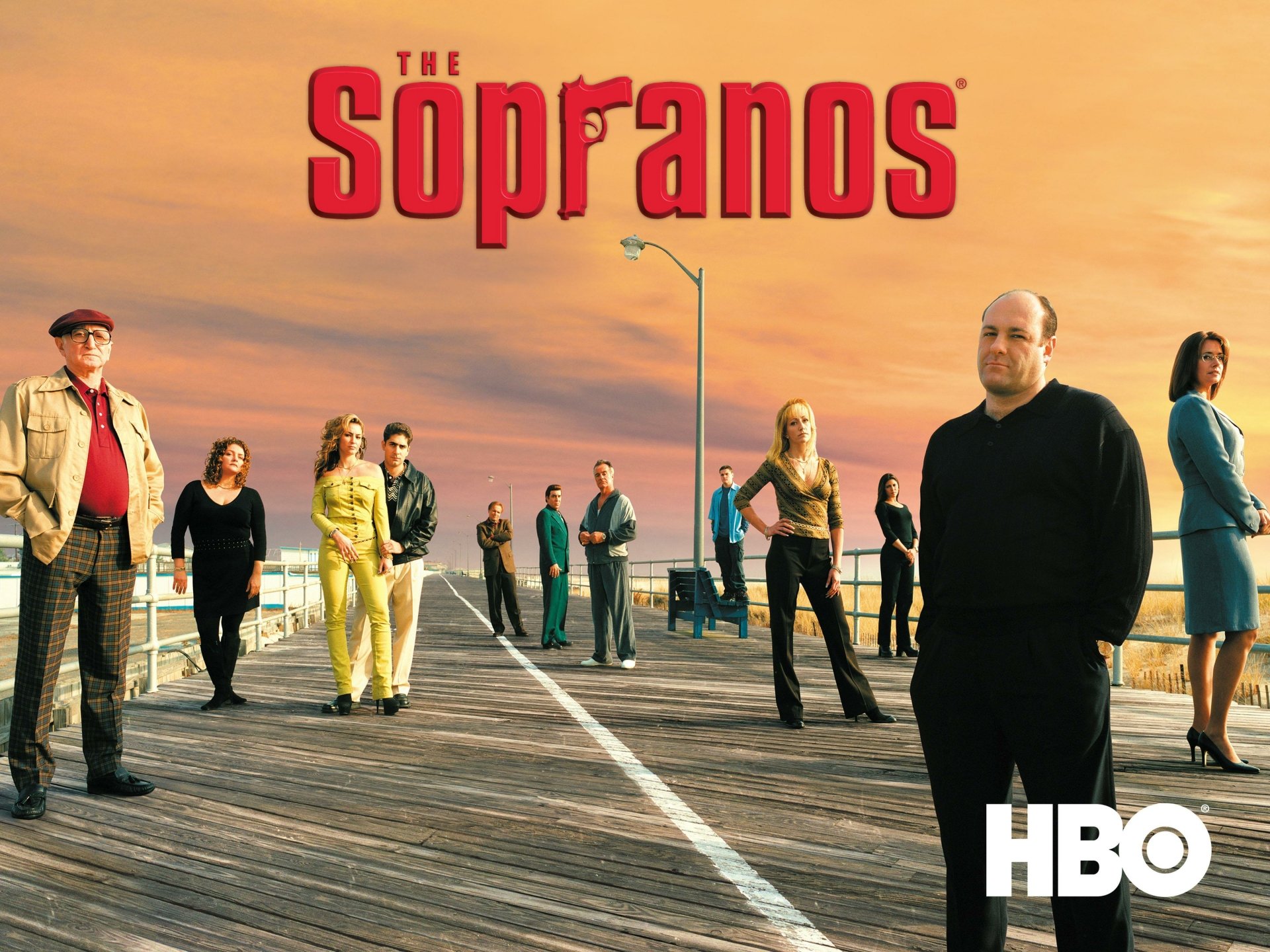
The Sopranos changed television forever. When David Chase brought his mob drama to HBO in 1999, it wasn't just another crime story. It was a character study wrapped in a Jersey tracksuit, driven by an ensemble of actors who turned cable television into high art.
If you're looking to understand why this cast matters—beyond the mafia tropes and the smash cut to black—you need to look at how these performers built a new vocabulary for dramatic acting. They didn't play heroes or villains; they played messy, broken, contradictory human beings.
James Gandolfini and the Birth of the Prestige Anti-Hero
Before Tony Soprano, television leads wore white hats or black hats. They cracked wise like private eyes or saved the day like precinct captains. James Gandolfini smashed that mold into dust.
Tony Soprano was a suburban father having panic attacks and a capo ordering brutal executions. Gandolfini brought a terrifying, physical presence to the role while bleeding vulnerability from every pore. You saw it in the way he breathed—heavy, exhausted, trapped in his own skin. He didn't ask for your sympathy, but he captured your empathy anyway. More details regarding the matter are covered by Associated Press.
When Tony sat across from Dr. Melfi, sweating through a panic attack, Gandolfini showed that tough guys could break. That single performance birthed the era of the morally bankrupt protagonist. Without Gandolfini, television doesn't get Walter White, Don Draper, or Jimmy McNulty.
The Women Who Grounded the Crime Syndicate
Television crime dramas historically treated women as props, victims, or nagging obstacles. The Sopranos turned its female characters into the emotional core of the series, played by actors who matched Gandolfini intensity for intensity.
Edie Falco as Carmela Soprano
Carmela knew where the blood money came from. She funded her designer clothes and suburban mansion with extortion cash, yet she clung to her Catholic faith like a life raft. Edie Falco played this cognitive dissonance with surgical precision.
Falco didn't need dialogue to show Carmela's quiet desperation. Watch her hands tremble while pouring coffee, or notice the cold calculation in her eyes when negotiating a real estate loan from her husband. She made collaboration look like imprisonment, proving that complicity has a heavy toll.
Lorraine Bracco as Dr. Jennifer Melfi
Dr. Melfi was the audience proxy and the moral compass of the show. Lorraine Bracco played her with professional composure that slowly unraveled under the weight of vicarious trauma and professional fascination. Melfi's struggle wasn't just about curing Tony; it was about her own ethical boundaries. When she finally closed her office door on him in the series finale, Bracco conveyed years of suppressed disgust and professional defeat in a single glance.
The Supporting Players Who Built a World
A mob family only feels real when the background actors feel like they've lived in North Jersey their entire lives. David Chase cast stage actors, unknown character performers, and real-life personalities to populate the DiMeo crime family.
- Michael Imperioli (Christopher Moltisanti): Imperioli infused Christopher with a volatile mix of literary pretension and explosive violence. He wanted to write screenplays, but he couldn't stop shooting people in the foot. His tragic arc remains one of the best-acted declines in television history.
- Steven Van Zandt (Silvio Dante): A real-life musician with zero prior acting experience, Van Zandt brought a theatrical, cool-headed menace to Silvio. His impressions of Al Pacino and his ice-cold loyalty made him unforgettable.
- Tony Sirico (Paulie Gualtieri): Sirico brought his own past encounters with the law to Paulie Walnuts. He balanced cartoonish superstition—fear of psychics, obsession with his hair—with cold-blooded brutality.
The Audition Process and Casting Magic
The casting of The Sopranos was a gritty underground effort led by casting director Georgianne Walken. Many key actors were plucked from New York theater rather than Hollywood talent agencies.
For instance, Michael Imperioli originally auditioned for a smaller part before landing Christopher. Dominic Chianese, who played Uncle Junior, was a veteran stage actor working part-time in a nursing home when he got the call. This dedication to authentic New York and New Jersey roots gave the show a textural realism that CGI-heavy or slickly produced modern series often miss.
Common Misconceptions About the Cast
Many viewers assume the actors improvised their iconic lines, but the scripts were airtight. David Chase and writers like Terence Winter crafted dialogue with specific rhythms. What felt like natural street talk was actually meticulously structured prose.
Another myth is that the cast all became instant superstars. While the show won critical acclaim, most of these actors were character actors who spent decades pounding the pavement in New York before hitting jackpot success on HBO.
Frequently Asked Questions
Did any real-life mobsters appear on The Sopranos?
Yes. Several minor roles and background extras were played by individuals with real-life ties to organized crime or law enforcement. Most notably, Tony Sirico grew up in Brooklyn and had multiple arrests before turning to acting.
How did James Gandolfini prepare for panic attack scenes?
Gandolfini used intense physical methods to induce the right physiological state. He would stay awake for days, put small stones in his shoes, or slap himself in the face before shooting a severe panic attack scene to ensure his exhaustion and distress looked genuine.
Why did some main characters get killed off abruptly?
The show operated on realistic consequences. Unlike traditional network television where stars have immunity contracts, The Sopranos treated its characters with brutal narrative honesty. If a mobster made a fatal mistake, the writers killed them off, regardless of how popular the actor was.
Where can I learn more about the making of the series?
For a deep dive into the production history, read The Sopranos Sessions by Matt Zoller Seitz and Alan Sepinwall, featuring extensive interviews with cast members and creator David Chase.



