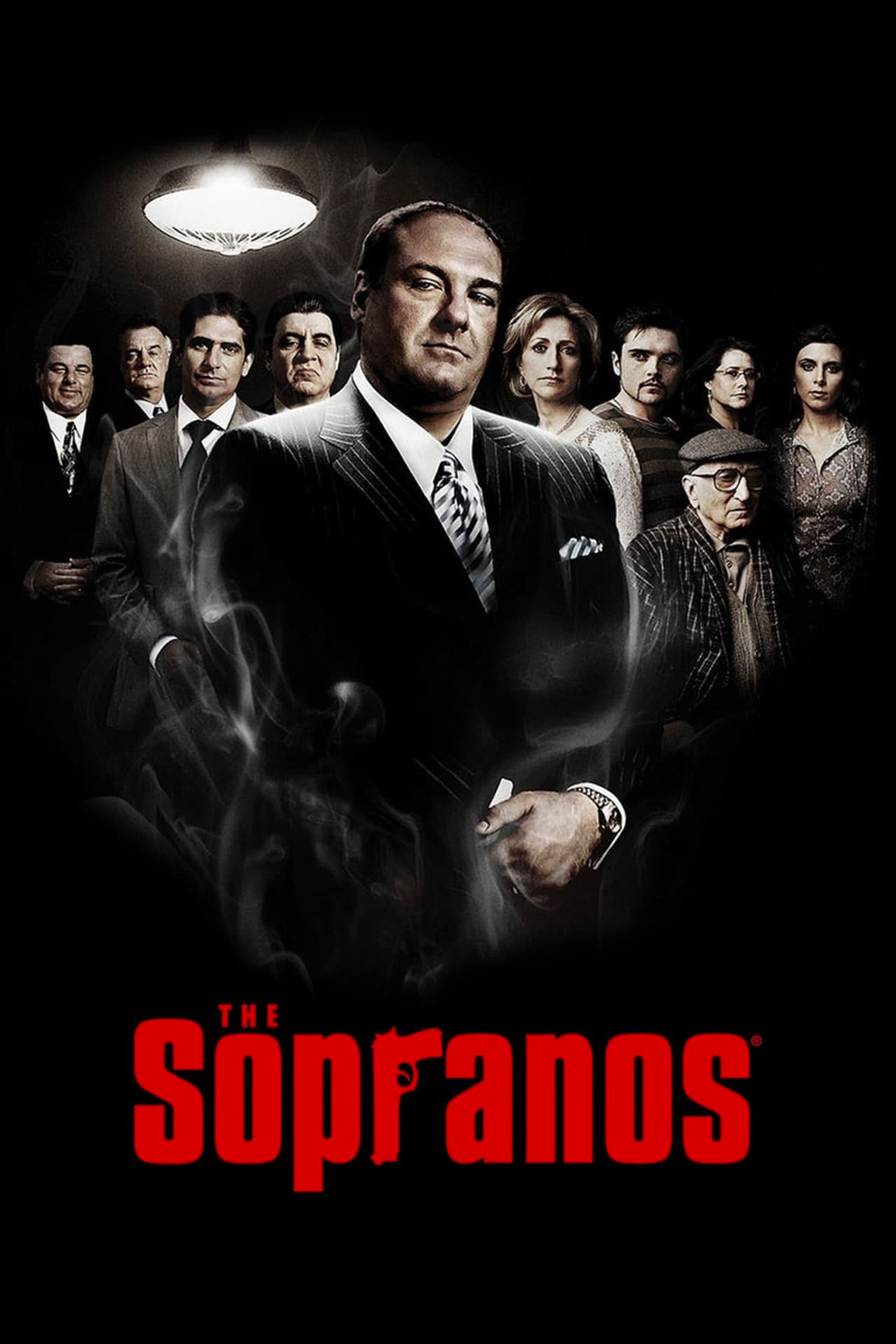
When The Sopranos premiered on HBO in January 1999, television changed forever. Creator David Chase didn't just write a gritty crime drama; he built a complex, psychological portrait of a suburban New Jersey mob boss struggling with panic attacks, family dysfunction, and middle-aged dread. Yet, the series wouldn't have birthed the modern golden age of prestige television without its ensemble cast. The actors didn't play archetypes—they breathed raw, unpredictable humanity into murderers, thieves, and enablers, dismantling traditional television hero tropes once and for all.
At the core of this revolution was James Gandolfini, whose legendary portrayal of Tony Soprano blurred the line between monster and victim. Gandolfini anchored the sprawling narrative with an astonishing dual capacity for terrifying rage and heartbreaking vulnerability. When Tony smashed a car windshield with a golf club or quietly fed ducks in his backyard pool, viewers believed every micro-expression. His chemistry with Edie Falco—who played his fiercely protective, morally conflicted wife, Carmela Soprano—elevated domestic disputes into high-stakes theatrical warfare. Falco gave voice to the complicit spouse, a character study in willful blindness that grounded the show's violent excesses in suburban reality.
The Inner Circle and the Anatomy of Betrayal
Surrounding the Soprano household was an ensemble of character actors drawn largely from New York and New Jersey theater, giving the production an authentic grit that Hollywood soundstages could never fake. Michael Imperioli brought a twitchy, tragic ambition to Christopher Moltisanti, Tony's nephew and heir apparent. Christopher's tortured aspirations to write screenplays while executing brutal hits added a layer of postmodern irony to the series. Imperioli mapped out a slow-motion descent into addiction and disillusionment, making Christopher's ultimate fate feel both tragic and inevitable.
Meanwhile, veteran actors like Dominic Chianese (Uncle Junior) and Nancy Marchand (Livia Soprano) injected psychological poison into the core of the family structure. Marchand's portrayal of Tony's toxic, narcissistic mother served as the psychological blueprint for Tony's panic disorders. Even non-traditional actors left an indelible mark. Steven Van Zandt, famous as Bruce Springsteen's guitarist, stepped into acting for the first time as Silvio Dante, delivering iconic mob mannerisms and ice-cold execution scenes with deadpan precision. Tony Sirico infused Paulie Walnuts with superstitious paranoia, fastidious hair grooming, and sudden, volcanic violence, creating one of television's most memorable dark comedy figures.
- Method-adjacent authenticity: Many minor roles were cast with real-world personalities or regional unknowns, enriching the texture of local New Jersey life.
- Theatrical roots: A vast majority of the core cast came with extensive Off-Broadway stage credits, allowing for complex, multi-scene dialogue exchanges that favored pacing over quick cuts.
- Improvisational trust: Directors frequently allowed seasoned actors to modify dialogue cadence, deepening the sense of organic family friction.
Transforming Antiheroes into a Cultural Standard
Before 1999, network and cable television demanded likable protagonists. Viewers rooted for detectives, doctors, and clean-cut heroes who saved the day by the end of a forty-minute episode. The cast of The Sopranos shattered this convention. By making viewers empathize with a brutal mob boss who ordered hits on friends and cheated on his wife, the actors forced an uncomfortable cultural reckoning.
This antihero blueprint paved the way for subsequent prestige landmarks, from Breaking Bad to Mad Men (whose creator, Matthew Weiner, wrote for The Sopranos). The actors achieved this feat not through stylized villainy, but through mundane human flaws. Tony worried about his daughter's college prospects, argued over lawn maintenance, and bickered with his wife over household finances. This juxtaposition of mundane suburban banality with brutal organized crime made the characters disturbingly relatable.
Behind the Scenes: The Pressure of Instant Stardom
The sudden, seismic cultural impact of the show caught its cast largely unawares. Most of the actors had spent decades working quietly in regional theater, indie films, or minor television guest spots. Suddenly, they found themselves mobbed in restaurants, invited to major talk shows, and scrutinized by national media outlets.
- The Gandolfini Paradox: James Gandolfini famously struggled with the intense media spotlight, often deflecting praise and retreating into quiet introspection despite winning three Emmy Awards for his work.
- Typecasting Hurdles: Actors like Tony Sirico and Dominic Chianese found themselves permanently associated with organized crime roles, though their theatrical backgrounds ran far deeper.
- Ensemble Camaraderie: Cast members frequently noted that the grueling shooting schedules across New York and New Jersey fostered a tight-knit, protective family dynamic behind the scenes.
Frequently Asked Questions
Did any real-life mob figures ever comment on the cast's performances?
Yes. Law enforcement officials and actual organized crime figures noted that certain mannerisms, speech patterns, and wardrobe choices used by actors like Tony Sirico and Steven Van Zandt bore a striking resemblance to real-life counterpart figures in the New York metropolitan area.
How did the casting directors find so many unfamiliar faces?
The production relied heavily on New York casting director Georgie Greco and theater talent pools. They deliberately avoided overly familiar Hollywood movie stars to preserve the gritty, documentary-like illusion of New Jersey suburban and criminal life.
What happened to the younger cast members after the series ended?
Actors like Robert Iler (A.J. Soprano) and Jamie-Lynn Sigler (Meadow Soprano) grew up on screen across the show's eight-year run. While Sigler continued acting in television and theater, Iler eventually stepped away from mainstream Hollywood to pursue other personal ventures and poker interests.
Why was James Gandolfini chosen for the lead role?
David Chase initially envisioned a different look for Tony Soprano, but after seeing Gandolfini's rough performance in the 1993 film True Romance, Chase realized Gandolfini possessed the exact combination of raw menace and soulful sensitivity required for the complex role. You can explore more about the series history via HBO.


