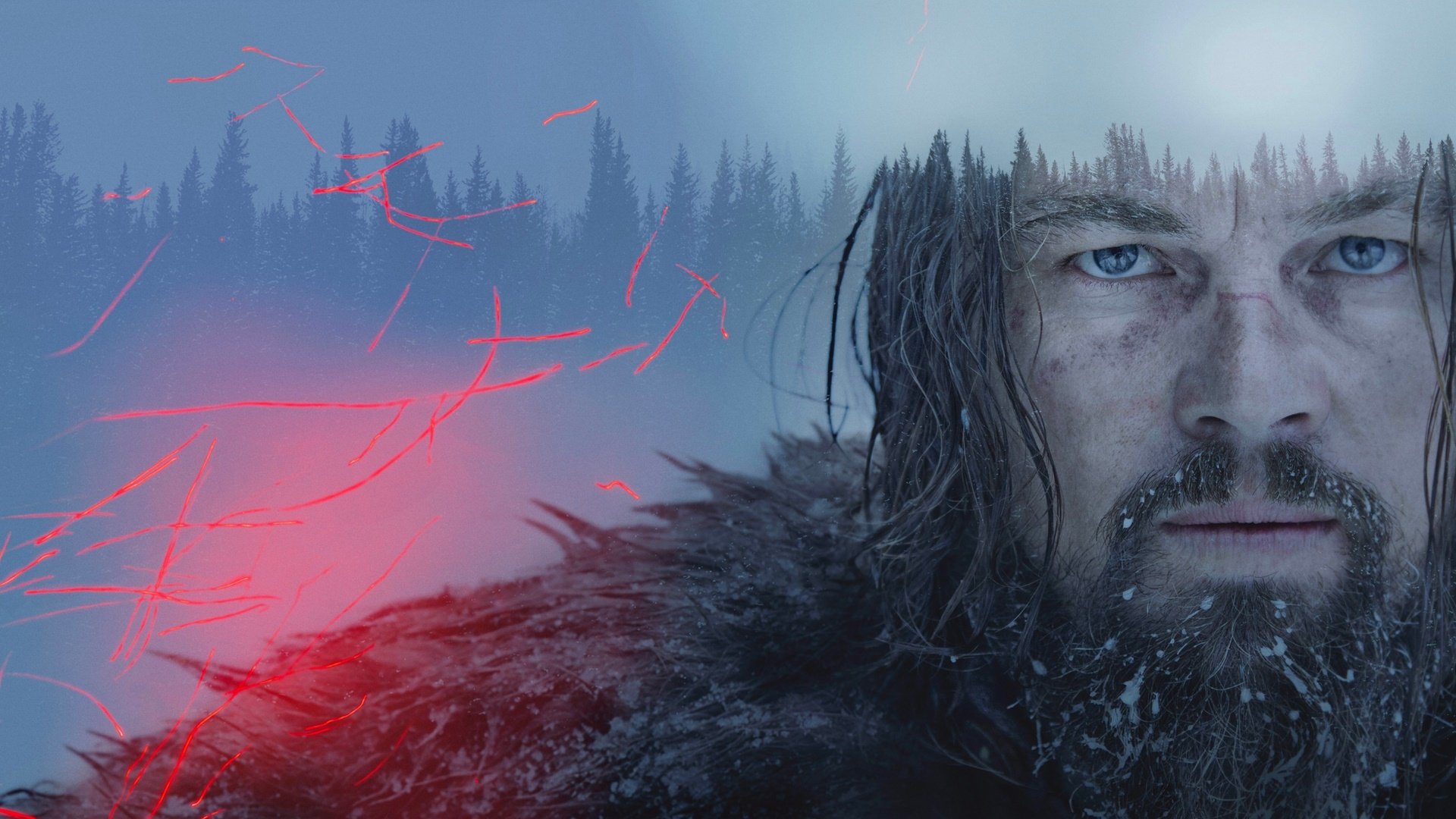
The 2015 survival epic The Revenant stands as a monumental achievement in modern filmmaking, driven by grueling physical commitments, natural lighting, and an ensemble cast delivering career-defining performances. Directed by Alejandro G. Iñárritu, the film adapts Michael Punke's 2002 novel, chronicling the harrowing 1823 frontier expedition and subsequent quest for survival and retribution by frontiersman Hugh Glass. Rather than relying on standard Hollywood tropes, the production brought together a precise mix of A-list stars and character actors who endured extreme conditions to capture raw, visceral realism on screen.
While casual viewers remember the brutal bear attack and Leonardo DiCaprio's arduous trek through freezing wilderness, the film's lasting emotional and dramatic weight comes directly from its supporting players. From Tom Hardy's morally complex antagonist to Domhnall Gleeson's conflicted captain, understanding the true scope of The Revenant requires looking closely at the actors who breathed life into these historical figures of the American fur trade.
The Principal Ensemble: Recreating the 1823 Expedition
At the heart of The Revenant is the Ashley-Henry Rocky Mountain Fur Company expedition. The dynamics of this doomed trapping party establish the immediate tensions of the film, pitting survival against greed, exhaustion, and vengeance.
Leonardo DiCaprio as Hugh Glass
Leonardo DiCaprio took on the role of Hugh Glass, a legendary frontiersman left for dead after a grizzly bear mauling. DiCaprio didn't just act through the physical pain; he committed fully to the director's insistence on chronological shooting in sub-zero Canadian and Argentinian terrain. He learned to build fires, speak Pawnee, and handle flintlock rifles with period-accurate precision. His performance relies heavily on physical acting, gasping breaths, and non-verbal communication, as Glass spends a substantial portion of the narrative unable to speak.
Tom Hardy as John Fitzgerald
Tom Hardy delivered a chilling performance as John Fitzgerald, the pragmatic and ruthless trapper who prioritizes self-preservation above all else. Fitzgerald isn't a traditional cartoon villain; he's a hardened survivor shaped by the brutal realities of the frontier. Hardy captures a man driven by economic desperation and deep-seated cynicism. His contentious dynamic with Glass forms the narrative engine that drives the second half of the film forward.
Domhnall Gleeson as Captain Andrew Henry
As the leader of the trapping expedition, Domhnall Gleeson plays Captain Andrew Henry with a balance of military authority and moral vulnerability. Henry is tasked with maintaining order in an anarchic wilderness, yet he constantly faces mutiny, native resistance, and the devastating loss of his men. Gleeson brings a quiet dignity to a leader buckling under the compounding weight of poor decisions and tragic circumstances.
Will Poulter as Jim Bridger
Will Poulter portrays Jim Bridger, the young, impressionable trapper caught in an impossible ethical dilemma. Bridger's youth and conscience make him the emotional proxy for the audience. Left behind to watch over the dying Glass, Bridger is manipulated by Fitzgerald into abandoning the older scout. Poulter captures the internal torment of a young man whose basic human decency is compromised by fear and coercion.
Supporting Players Who Ground the Frontier
Beyond the core quartet, the wider cast populates the perilous landscape with authenticity, anchoring historical context that makes the 1820s fur trade feel immediate and dangerous.
- Forrest Goodluck as Hawk: Playing Glass's half-Pawnee son, Goodluck provides the emotional anchor for Glass's motivation. Hawk's presence highlights the racial tensions of the era and makes the tragedy at the camp deeply personal.
- Arthur RedCloud as Hikuc: Hikuc is a wandering Arikara man who encounters the frostbitten Glass and offers him food, shelter, and medical remedies. Their silent, communicative bond crosses cultural and linguistic boundaries, illustrating humanity amid isolation.
- Melchior Beslon and Paul Anderson: Playing fellow trappers, these actors contribute to the claustrophobic, paranoid atmosphere of a camp slowly unraveling under the constant threat of hostile native tribes.
The Brutal Physical Realities Behind the Production
The intense performances seen on screen were forged through an infamously difficult production schedule. Iñárritu and cinematographer Emmanuel Lubezki imposed strict rules on the cast and crew to capture unvarnished realism.
Natural Light Constraints
Shooting exclusively with natural light meant the crew had a daily window of roughly 90 minutes during the late afternoon "magic hour" to capture critical scenes. Actors couldn't rely on multiple retakes to fix flubbed lines; rehearsals were exhaustive so that when the light hit, the performances were immediate and flawless.
Environmental Endurance
The cast trained extensively in survival tactics, canoeing, and weapon handling. Temperatures often plummeted below freezing, forcing actors to react to genuine physical discomfort. This real-world frost, mud, and exhaustion bled directly into their portrayals, eliminating the need for artificial cinematic enhancement.
Common Misconceptions About the Cast and Characters
Many viewers approach historical survival dramas expecting strict biographical accuracy, leading to several persistent myths about the film's ensemble.
- Myth: John Fitzgerald was a flat, mustache-twirling villain in real life as well as in the film.
- Reality: History knows very little about the real John Fitzgerald beyond his involvement in the abandonment of Glass. The film fictionalizes his background and motivations to create a compelling dramatic foil.
- Myth: Jim Bridger willingly left Glass to die out of malice.
- Reality: In both historical accounts and the cinematic adaptation, Bridger was young and easily influenced by the older, more intimidating Fitzgerald, who convinced him that staying meant certain death for them all.
- Myth: The native tribes depicted were monolithically hostile.
- Reality: The film carefully distinguishes between different groups, such as the Arikara searching for their abducted chief's daughter and the French trappers exploiting the land, portraying a complex geopolitical landscape.
For further reading on the historical expedition and the real accounts of Hugh Glass, consult the National Park Service archives on American fur trade history or explore production insights documented by Variety.
Frequently Asked Questions
Did the actors actually eat raw bison liver on camera?
Yes. Leonardo DiCaprio confirmed in multiple interviews that production used a real raw bison liver for the infamous scene where Glass consumes raw meat to stay alive in the freezing elements, adding to the genuine shock and realism of his performance.
How long did filming take for the ensemble?
Principal photography was originally scheduled for a few months but dragged out across nearly nine months between late 2014 and mid-2015 due to unseasonably warm weather in Canada, forcing the production team to relocate all the way to Tierra del Fuego in Argentina to find adequate snow.
Was Tom Hardy nominated for an Academy Award for this film?
Yes. Tom Hardy received an Academy Award nomination for Best Supporting Actor for his portrayal of John Fitzgerald, marking one of his most celebrated physical and psychological villain performances.
How historically accurate is the relationship between Glass and his son Hawk?
The character of Hawk is largely a cinematic invention. Historical records do not definitively prove that Hugh Glass had a half-Pawnee son traveling with him on the 1823 expedition, though screenwriters introduced the character to give Glass a personal stake and emotional driver for his survival.



