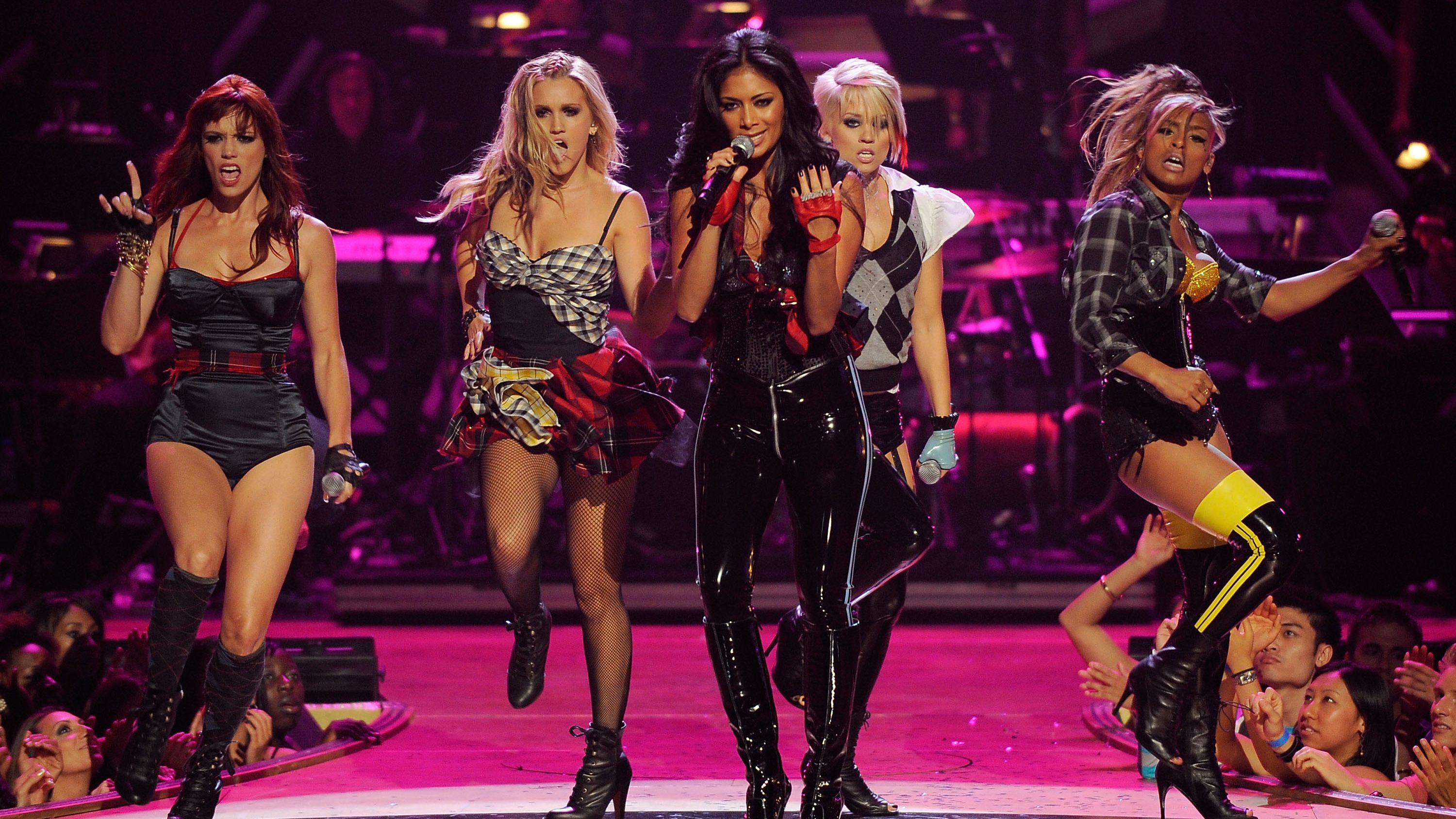
The Pussycat Dolls transformed from a gritty Los Angeles burlesque troupe into a massive 2000s pop phenomenon, shifting the landscape of commercial girl groups. Formed by choreographer Robin Antin in 1995 and re-cast as a recording powerhouse in 2003, the collective blended pin-up aesthetics with sharp choreography and chart-topping radio hooks. Yet, behind the gloss of hits like "Don't Cha" and "Buttons" lay a complex dynamic of vocal hierarchies, internal friction, and enduring pop culture impact.
Understanding the group requires looking past the synchronized routines to examine how individual members shaped—or were sidelined by—the brand's ultimate trajectory. This breakdown explores the vocal powerhouses, the dancers, the structural imbalance of the lineup, and the lasting footprint the Dolls left on the modern music industry.
From Viper Room Resident to Pop Franchise
Long before selling millions of records, the project operated as a retro burlesque revue at the Viper Room. Performers danced in lingerie to 1950s and 1960s standards, drawing Hollywood guest stars and building a cult following. Recognizing commercial potential, music executives Jimmy Iovine and Ron Fair intervened, restructuring the troupe into a traditional pop recording act signed to Interscope Records.
This transition required a casting overhaul. While original dancers like Carmit Bachar, Ashley Roberts, Jessica Sutta, and Kimberly Wyatt carried over, the label added powerhouse vocalist Nicole Scherzinger to anchor the tracks. Released in 2005, their debut album PCD debuted at number five on the Billboard 200 and spawned multiple global smashes, cementing an era of high-production, dance-heavy pop music.
The Lineup: Vocal Power Dynamics and Roles
The core commercial success of the group rested on a distinct division of labor. While every member contributed to the fierce visual identity and heavy choreography, the recording studio told a different story.
Nicole Scherzinger and the Lead Vocal Monopoly
Nicole Scherzinger stepped in as the undisputed focal point, recording the vast majority of lead and backing vocals for the group's discography. Her background with the pop-stars-formed group Eden's Crush equipped her with studio discipline and a three-octave range. Tracks like "Stickwitu" showcased her ability to deliver emotive, polished pop ballads. However, this vocal centralization created internal strain. Members have noted in interviews that their roles were tightly managed, leaving little room for others to showcase their vocal abilities on major studio tracks.
Melody Thornton and Hidden Harmonies
Brought in as the youngest official member, Melody Thornton possessed a distinct, soulful vocal instrument that provided crucial counter-melodies and runs on tracks like "Papi Love" and live performances. Despite her powerhouse capabilities, Thornton often found herself relegated to backing harmonies on primary radio singles, a frustration she later voiced publicly regarding the group's rigid internal hierarchy.
The Dance Core: Bachar, Sutta, Wyatt, and Roberts
Carmit Bachar, Jessica Sutta, Kimberly Wyatt, and Ashley Roberts functioned as elite dancers and performance specialists.
- Carmit Bachar brought strong acrobatics, contortionism, and fire-dancing elements inherited from her early days in the troupe.
- Jessica Sutta infused sharp jazz-funk sensibilities and delivered the iconic spoken-word intro on "Beep".
- Kimberly Wyatt contributed high-energy flexibility and signature high kicks that defined the live shows.
- Ashley Roberts provided vital visual balance and media charisma, later transitioning seamlessly into television and radio presentation.
Cultural Impact and Aesthetic Legacy
The Pussycat Dolls arrived at a specific crossroads in digital music consumption, becoming the first all-female group to have three singles cross the two-million download threshold. Their influence extended into fashion, fitness, and stage production, setting a template for early-2000s commercial choreography.
Yet, the group's hyper-sexualized marketing also drew contemporary critique. Scholars and pop culture analysts frequently point to the Dolls as a prime example of early-millennium mainstream media packaging female empowerment strictly through the lens of male gaze appeal. Even so, their precision on stage set a punishingly high standard for pop performance that few subsequent acts replicated. For a deeper historical look at how musical acts transition from stage acts to corporate entities, check out Billboard's artist archives.
The Disbandment and Post-PCD Realities
Internal friction, exhaustion, and a struggle over creative autonomy led to the group's unofficial hiatus in 2010. Melody Thornton was the first to officially distance herself, followed by the departure of other members as solo aspirations took over.
Post-disbandment paths varied widely across the lineup:
- Nicole Scherzinger maintained a visible profile as a solo artist, West End theater star, and television talent judge on programs like The X Factor.
- Ashley Roberts and Kimberly Wyatt relocated to the United Kingdom, carving out successful careers as broadcasters, radio hosts, and reality television fixtures.
- Jessica Sutta and Carmit Bachar pursued independent music releases and creative projects, with Sutta scoring a Billboard dance chart-topper.
Attempts at full-scale reunions—including a heavily publicized comeback announcement in 2019 that faced pandemic cancellations and legal complications—demonstrated both the enduring nostalgic pull of the brand and the fragility of its internal politics.
Frequently Asked Questions
Why did Melody Thornton sing so little on the main singles?
Producers and management structured the group around a single identifiable voice for commercial consistency. Nicole Scherzinger was contracted as the primary recording vocalist, meaning studio tracks were engineered to highlight her range, while Thornton's powerful vocals were largely reserved for live ad-libs and specific harmonies.
Who was the founder of The Pussycat Dolls?
Robin Antin founded the group in 1995 as a burlesque troupe in Los Angeles, later partnering with record executives to transform it into a commercial pop franchise in 2003.
How many albums did the group release?
The group released two primary studio albums: their multi-platinum debut PCD in 2005 and their sophomore follow-up Doll Domination in 2008.
What caused the final split of the group?
The split stemmed from a combination of creative burnout, frustration over unequal distribution of vocal workloads, and individual desires to pursue solo opportunities in acting, television, and alternative music ventures.



