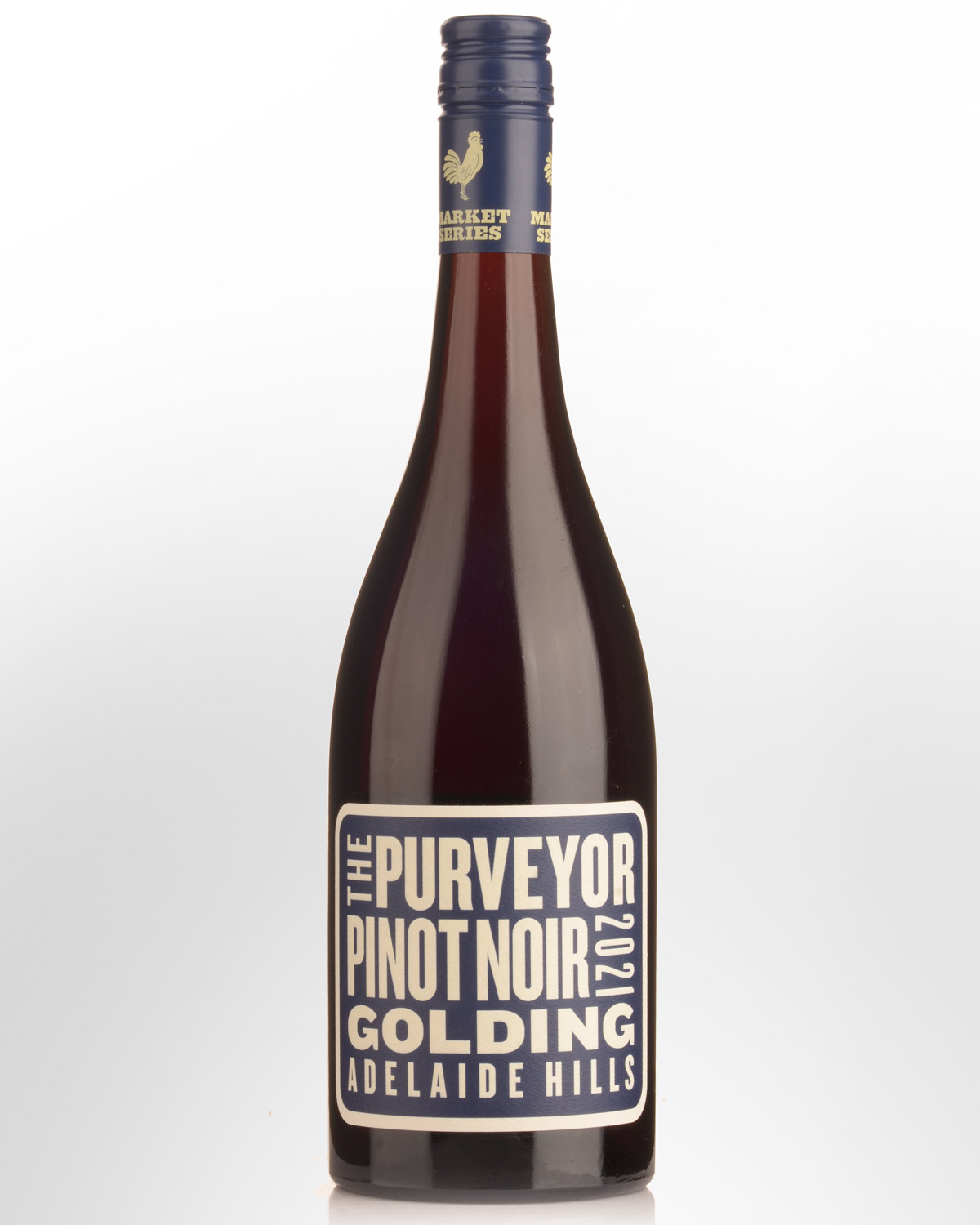
The word purveyor sounds archaic, something you'd expect to find on a faded sign above a 19th-century mercantile shop. Yet, it carries immense weight for modern commerce. At its core, the purveyor meaning is simple: someone who provisions, supplies, or actively promotes particular goods, services, or ideas. When a business adopts this identity, it stops acting as a mere transactional middleman and starts operating as a trusted curator. Customers don't just buy products today; they buy the origin story, the vetting process, and the ethical baseline behind those items. If you understand how to wield this concept, you can completely transform your customer retention metrics.
Trust in retail and B2B sectors isn't built on slick advertising campaigns or empty corporate values statements. It's built on accountability. When a brand calls itself a purveyor of fine coffee, artisanal leather goods, or specialized software solutions, it makes a tacit promise. That promise means the company took the time to inspect, curate, and stand behind every single offering. Shoppers are tired of endless choices and algorithmic recommendation engines that push low-quality junk. They want a curator. They want someone who has already done the hard work of filtering out the noise. Let's look at how applying this mindset shifts the entire dynamic between a company and its buyers.
Defining the Modern Purveyor in Commerce
Centuries ago, a purveyor was literally charged with provisioning royal households or military camps. That meant sourcing provisions, ensuring quality, and risking severe penalties if the goods were spoiled or sub-standard. Today's commercial environment operates on a similar principle, even if the stakes look a little different. You're no longer feeding an army, but you are feeding a consumer's desire for authenticity and reliability.
When you strip away the marketing gloss, being a purveyor means taking personal responsibility for supply chains and product curation. You don't just stock items because they have high profit margins. You stock them because they meet strict internal benchmarks for durability, ethical sourcing, or craftsmanship. For instance, according to a report by the Federal Trade Commission, consumer protection regulations heavily penalize deceptive labeling, meaning modern suppliers must be exceptionally transparent about where their inventory actually originates. You can't claim to source goods responsibly if your supply chain remains a black box. For another angle on this story, refer to the recent update from Business Insider.
Transparency changes the psychological contract of a purchase. Instead of wondering if an item will break a week after delivery, the buyer rests easy because the seller's reputation is attached to it. That's the essence of the purveyor model. It replaces anonymous mass-market retailing with accountable, curator-led commerce.
How the Purveyor Identity Shifts Consumer Psychology
Buyers experience severe decision fatigue. Walk down any digital or physical aisle, and you'll find dozens of identical options competing for attention. This abundance of choice doesn't empower consumers; it paralyzes them. They don't know who to trust.
When a brand positions itself as a purveyor rather than a discounter, it cuts through that paralysis. Here's how that psychological shift plays out in everyday buying habits:
- Reduction of perceived risk: Customers feel safer spending money when an expert has filtered out inferior alternatives.
- Value over price competition: People stop comparing you solely to the cheapest option on Amazon because they recognize your curation adds distinct value.
- Emotional connection: Buyers align their personal identities with the standards you uphold.
This dynamic is why small-batch roasters, independent bookstores, and boutique hardware makers often command fiercely loyal communities. They aren't trying to sell everything to everyone. They are curating a specific world for a specific audience. When you own that position, price sensitivity drops significantly because your customers trust your taste and your standards.
Operational Changes Required to Act Like a Purveyor
You can't just slap the word purveyor onto your Instagram bio and expect trust to roll in. Consumers smell inauthentic branding instantly. To earn the title, you have to change how your business operates on a daily basis.
Start by auditing your inventory. Cut ties with suppliers who refuse to share their labor practices or ingredient sourcing. If you sell physical products, invest time in visiting factories or workshops. Take photos and videos of the actual creation process. Share the imperfections and the craft behind the items. If you run a service business, apply the same rigor to your contractors and tools. Don't recommend software or strategies just because of affiliate payouts. Recommend them because you've tested them under pressure and found them genuinely useful.
Communication must also change. Stop writing generic product descriptions filled with corporate jargon. Write like an expert who knows the product inside and out. Explain why a specific material was chosen, how long it takes to make, or why a particular feature matters for daily use. When you give people the "why" behind an item, you elevate it from a commodity to a considered purchase.
Common Pitfalls When Branding Around Heritage and Craft
Many companies try to borrow the authority of a traditional purveyor without doing the underlying work. This shortcut usually backfires. Here are the most frequent mistakes businesses make:
- Fake heritage: Inventing a fictional founding year or manufacturing story that collapses under basic scrutiny.
- Over-curation bloat: Claiming to hand-pick everything while actually drop-shipping generic items from overseas factories.
- Inconsistent standards: Preaching sustainability or premium quality while cutting corners on customer service or shipping packaging.
If you get caught faking your curation, recovery is brutal. Today's consumers love doing internet sleuthing. If your "handcrafted" goods show up on wholesale liquidation sites for pennies, your credibility vanishes overnight. Honesty always wins. It's far better to admit you're a modern aggregator that enforces strict quality filters than to pretend you're a lonely artisan carving items out of wood by hand.
Frequently Asked Questions
What does purveyor mean in a business context?
In business, a purveyor is a company or individual that supplies goods with a strong emphasis on curation, quality control, and direct responsibility for the origin of those products.
How does being a purveyor improve customer retention?
It builds deep trust. When customers know you rigorously vet everything you sell, they stop shopping around and return to you automatically because they want to avoid the risk of buying elsewhere.
Can digital service businesses use the purveyor model?
Yes. Software agencies, consultants, and digital marketplaces can act as purveyors by curating the best tools, frameworks, or expert talent for their clients rather than trying to sell every service under the sun.
Is the word purveyor only used for food and luxury goods?
Not at all. While historically tied to provisions and fine goods, any industry—from industrial manufacturing to B2B software—can adopt the mindset of a careful, trusted supplier.


