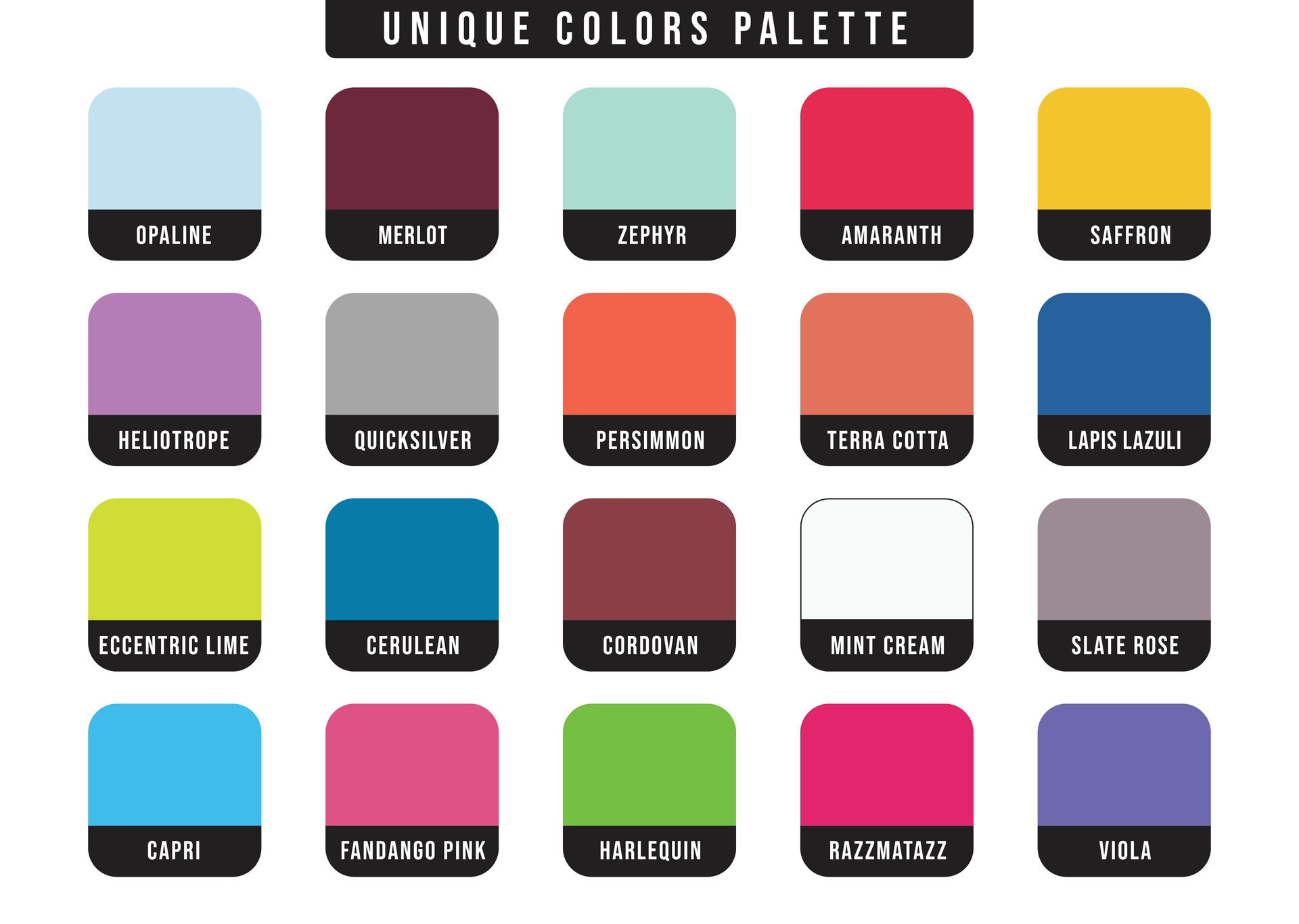
The psychological impact of the color red runs deeper than simple visual preference. It triggers immediate biological and emotional reactions that no other hue commands quite as intensely. When you look at red, your heart rate actually accelerates and your metabolism shifts into a higher gear. Understanding how this color works unlocks powerful tools for design, branding, and daily communication.
The biological impact of red
Red holds the longest wavelength on the visible light spectrum. This physical property makes it appear closer to us than it actually is, which explains why it commands visual dominance in any environment. Evolutionary biologists point out that our sensitivity to red helped early humans spot ripe fruit, toxic plants, and changes in skin flush during emotional communication.
When your eyes register red, the sympathetic nervous system receives a low-level stimulation. This response increases respiration rates and raises blood pressure. It's a mild state of arousal that primes the body for action. Brands and designers exploit this involuntary reaction to capture fleeting attention spans in crowded marketplaces.
Cultural meanings and historical context
Human societies have assigned immense weight to red across millennia. Long before modern chemistry synthesized brilliant pigments, ancient communities crushed minerals like cinnabar to paint sacred spaces and bodies.
- Power and status: In the Roman Empire, magistrates wore garments dyed with costly Tyrian purple, but commanders and emperors claimed vibrant red hues to signal supreme authority and military might.
- Good fortune and celebration: Across many Asian cultures, red signifies prosperity, luck, and happiness. It remains the dominant shade for weddings and major festivals.
- Warning and prohibition: Because blood and fire naturally signal hazard, societies universally adopted red for stop signs, fire engines, and emergency alerts.
Red in branding and consumer behavior
Marketers rely on red to drive quick decisions. Think of the world's most recognizable fast-food chains, soft drink brands, and clearance sale banners. They all lean on red to create a sense of urgency and excitement.
Food brands use red because studies link the color to increased appetite stimulation. Retailers use red clearance tags to catch the eye of budget-conscious shoppers looking for a quick deal. Yet, professional designers exercise caution. Too much red in a corporate interface or website layout induces visual fatigue and unnecessary anxiety among users. Balancing it with neutral backdrops prevents the design from feeling aggressive.
Emotional duality: Passion versus aggression
The psychological footprint of red is intensely polarized. On one hand, it represents romance, warmth, and deep devotion. Red roses and Valentine's Day branding rely on this positive emotional association.
On the other hand, the exact same shade sparks feelings of anger, dominance, and territorial defense. Psychological studies examining athletic performance note that teams wearing red uniforms sometimes gain an edge through perceived aggressiveness, though opponents often react with heightened defensiveness.
Frequently asked questions
Does red actually make people hungry?
Yes, physiological studies suggest that red stimulates the autonomic nervous system, which can increase metabolic activity and trigger appetite cues, making it a favorite choice for restaurant interiors and food packaging.
Why do stop signs use red?
Red commands the fastest reaction time of any color in the visible spectrum and is universally associated with danger, making it the most effective choice to signal caution or a mandatory halt.
How does red affect productivity in workspaces?
While red boosts alertness and physical energy, high concentrations in an office can lead to irritability and cognitive fatigue. Experts recommend using red as an accent color rather than a primary wall or desk shade.
Is red viewed the same way across all cultures?
No, while western cultures often link red with danger, passion, and stop signals, eastern traditions frequently associate the same color with good luck, wealth, and marriage ceremonies.