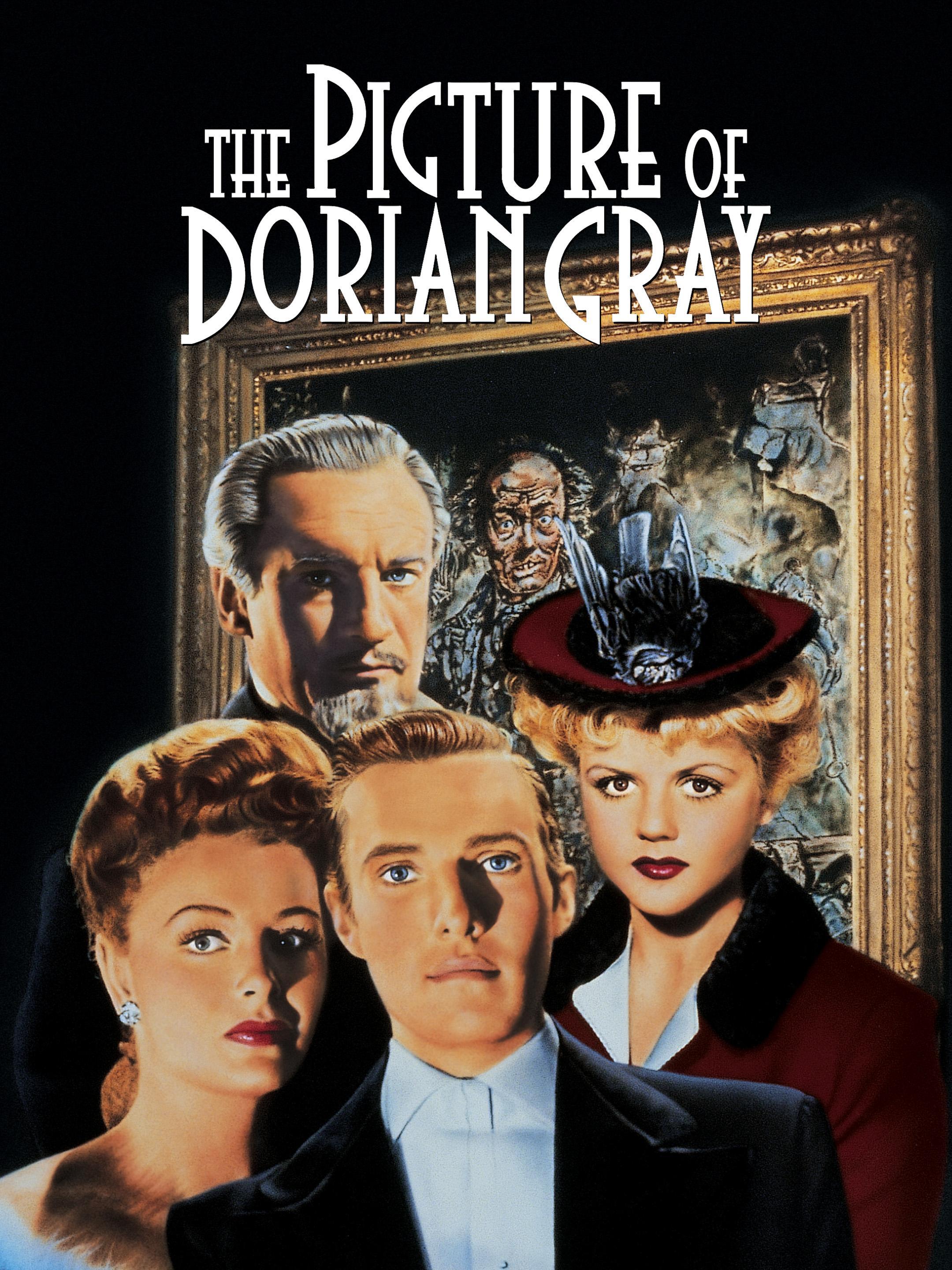
Oscar Wilde's only novel remains a shocking critique of aesthetics, morality, and the human psyche. If you're looking up the picture of dorian gray sparknotes to prep for an exam or write an essay, you want a breakdown that cuts straight to the core. We're cutting through the plot fluff to analyze the exact themes, character arcs, and moral descent that define the book.
At its heart, the novel tells the story of a young man who trades his soul to keep his youthful beauty. A mysterious portrait ages and rots in his place while he pursues every earthly vice without physical consequence. Wilde wrote a text that examines how society worships youth while punishing spiritual decay. Let's break down the mechanics of the plot, the key players, and the philosophical underpinnings that keep readers hooked.
Plot Overview and Structure
The narrative starts in the London studio of Basil Hallward, an artist transfixed by the stunning Dorian Gray. Basil paints a portrait that captures Dorian's pristine youth. Lord Henry Wotton, a cynical aristocrat, fills Dorian's head with ideas about hedonism, the supremacy of youth, and the pursuit of pleasure above all else.
Dorian looks at the finished painting and makes a tragic wish. He wishes he could age while the canvas bears the burden of his years and sins. That wish comes true. Over the next two decades, Dorian plunges into vice, cruelty, and emotional destruction. People notice his face never changes, even as rumors swirl about his corrupted lifestyle.
The story builds to a terrifying climax when Basil confronts Dorian about his reputation. Dorian shows him the hideously altered portrait, blaming the artist for starting this mess. In a blind rage, Dorian murders Basil. Driven by paranoia and guilt, Dorian finally decides to destroy the painting to free himself from its haunting witness. When he stabs the canvas, he kills himself. Servants find an old, withered corpse on the floor with a knife in its heart, beside a pristine portrait of a young man.
Character Analysis
Dorian Gray
Dorian begins as an innocent, malleable youth. Lord Henry's toxic philosophy plants seeds that grow into full-blown narcissism. He doesn't start evil; he drifts into cruelty because he faces zero physical accountability. When he breaks Sibyl Vane's heart and drives her to suicide, he notices the first sneer on the painted lips. Instead of repenting, he locks the canvas away and doubles down on his destructive habits. Dorian represents the danger of living purely for sensory gratification.
Lord Henry Wotton
Lord Henry acts as the catalyst for Dorian's moral collapse. He treats life as an intellectual experiment, dropping aphorisms and poisonous ideas just to see how people react. He never commits any terrible crimes himself, but he inspires them in others. Henry personifies the Victorian era's aesthetic movement—art for art's sake—pushed to an amoral extreme. He talks endlessly about beauty and youth, yet he remains comfortably detached from the real-world consequences of his rhetoric.
Basil Hallward
Basil is the moral conscience of the novel, though he fails to save Dorian. He pours his soul into the portrait, which is why he begs Dorian not to exhibit it. He loves Dorian with a desperate, devotional intensity that blinds him to the young man's flaws until it's too late. Basil believes art should reflect truth and morality. His tragic death emphasizes how innocence and artistic integrity get crushed by unchecked hedonism.
Sibyl Vane
Sibyl is a young, talented actress who falls in love with Dorian. She refers to him as her "Prince Charming" and abandons her acting career because true love makes art feel redundant to her. Dorian, who loved her only for her theatrical talent, cruelly rejects her. Her subsequent suicide marks the true turning point where Dorian crosses the threshold from a naive youth into a remorseless monster. You can read more about Victorian tragedy conventions in historical analyses provided by the British Library.
Major Themes
The Supremacy of Youth and Beauty
Wilde examines a society obsessed with physical appearance. In Victorian London, social standing and outward charm mask inner rot. Lord Henry preaches that youth is the only thing worth having. Dorian's entire tragedy stems from his terror of aging. When beauty becomes the ultimate currency, morality loses its value.
The Split Between Art and Morality
A central question of the novel asks whether art can be moral or immoral. Wilde's preface famously states that there is no such thing as a moral or an immoral book; books are well written, or badly written. Yet, the story itself argues a different point. The portrait acts as a moral mirror. It forces Dorian to look at the true state of his soul, proving that art cannot remain entirely divorced from human consequence.
The Cost of a Double Life
Dorian tries to live two separate lives. To high society, he remains a charming gentleman. Behind locked doors in his attic, he lives as a debauched hedonist. This split drives him to paranoia. He worries his servants will discover the truth. He roams London's opium dens to escape his own thoughts. The novel shows that keeping a double life destroys a person's sanity from the inside out. For a broader academic context on Victorian literature themes, check resources at The Poetry Foundation.
Common Mistakes in Essay Writing
Students often trip up on a few specific points when writing about this novel. Don't make these errors in your next assignment.
- Treating Lord Henry as the villain. Lord Henry never commits a violent crime. He's an intellectual corruptor, which makes him more complex than a standard antagonist.
- Assuming Dorian was born evil. The text makes it clear that Dorian is corrupted over time. His descent is a gradual erosion of empathy, not an innate trait.
- Confusing aestheticism with murder. Aestheticism focuses on beauty and art. Wilde uses Dorian to show what happens when people take that philosophy to a twisted, destructive extreme.
Frequently Asked Questions
What does the painting symbolize?
The painting symbolizes Dorian's conscience, soul, and the true cost of his sins. While his physical body remains youthful, the canvas absorbs every lie, betrayal, and murder he commits.
Why does Dorian kill Basil?
Dorian kills Basil in a fit of rage because Basil confronts him about his ruined reputation and begs him to repent. Dorian blames the artist for painting the portrait that started his nightmare.
How does Dorian die?
Dorian tries to destroy the cursed painting by stabbing it with the same knife he used to murder Basil. By destroying the canvas, he transfers the accumulated age and damage back to his own body, killing himself instantly.
Is The Picture of Dorian Gray a Gothic novel?
Yes. It blends Gothic horror elements—like a cursed object, secret rooms, and a descent into madness—with Victorian aesthetic philosophy and philosophical fiction.



