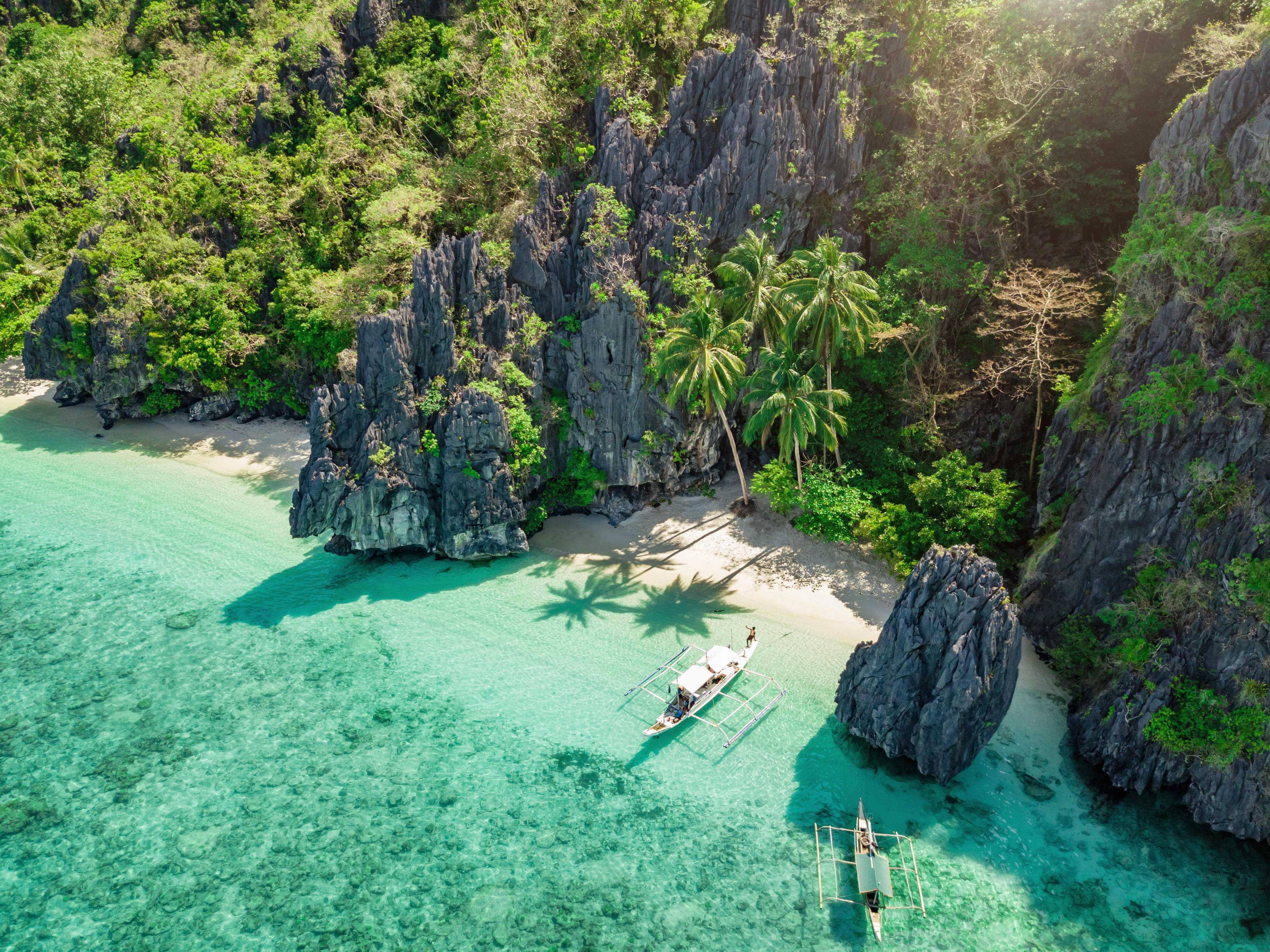
Geography shapes survival, and few places prove this quite like an archipelago of more than seven thousand islands. When your horizon is defined by water, isolation becomes a constant companion, but so does connection. The Philippines isn't just a destination on a map; it's a living archive of adaptation, where historical shifts and daily realities collide to forge an unbreakable national character.
At its core, understanding this identity requires looking past tourist brochures. It means examining how communities weather typhoons, economic shifts, and complex historical legacies without losing their footing. Let's break down how the people of this island nation navigate change, preserve their roots, and build a modern culture rooted in deep-seated resilience.
The Archipelagic Reality: Geography as Destiny
Living across thousands of islands changes how people communicate, trade, and govern. It creates distinct regional identities—Ilocano, Cebuano, Bicolano, Waray—while fostering a shared national umbrella. This fragmentation isn't a weakness; it's the engine behind a rich mosaic of local traditions.
Isolation historically kept communities self-reliant. If a storm cut off sea routes, villages relied on their own stores and shared labor systems. This self-reliance evolved into bayanihan, the cultural tradition of communal unity and cooperation. You'll still see this today when neighbors physically lift and relocate a traditional bamboo house to higher ground ahead of heavy rains.
Language and Regional Nuance
More than a hundred distinct languages echo across the islands. While Filipino and English serve as official bridges, regional tongues shape local worldviews.
- Visayan communities often emphasize maritime trade roots and coastal navigation.
- Mountain provinces in the north preserve terraced farming techniques passed down through generations.
- Mindanao cultures blend indigenous traditions with centuries of Islamic heritage, creating a unique counterpoint to the predominantly Catholic northern regions.
Historical Pressures and Adaptation
You can't talk about Filipino identity without acknowledging centuries of external influence. Spanish colonization, American administration, and Japanese occupation during World War II left deep imprints on governance, religion, and daily life. Yet, local populations didn't simply absorb these shifts passively—they reinterpreted them.
Religion offers a clear example. Catholicism arrived with Spanish galleons, but local communities blended it with pre-existing animist beliefs. The result is a vibrant, syncretic spiritual life where modern devotion coexists with older customs regarding nature spirits and ancestral respect.
The Overseas Workforce as Modern Pioneers
Today, adaptation takes a global form. Millions of Filipinos live and work abroad as nurses, seafarers, engineers, and service workers. They send billions of dollars home in remittances, stabilizing the domestic economy while exporting Filipino work ethic and warmth worldwide.
This diaspora creates a complex emotional landscape. Families often live separated by oceans, connected only by video calls and holiday packages known as balikbayan boxes. It's a modern form of resilience—enduring loneliness and harsh labor conditions abroad to secure a better future for the next generation.
Facing Environmental Extremes Head-On
The Philippines sits squarely along the Pacific Typhoon Belt and the Ring of Fire. Earthquakes, volcanic eruptions, and dozens of severe tropical storms hit the islands every year.
Because disaster is an annual certainty, communities don't panic; they prepare. When a super typhoon makes landfall, news reports often highlight smiling faces wading through waist-high water, sharing meals cooked on makeshift stoves, or immediately picking up brooms to clear debris. This reaction isn't denial; it's practical endurance.
- Early Warning Systems: Local communities have refined informal communication networks alongside official alerts, ensuring neighbors evacuate before rivers crest.
- Architecture Evolution: Modern builders increasingly utilize reinforced concrete and elevated foundations, blending traditional stilt-house concepts with modern engineering.
- Micro-Economies: Neighborhood sari-sari stores often double as mutual aid hubs, extending credit to families during delayed paychecks or post-storm recovery.
政府 and international bodies document these strategies through agencies like the National Disaster Risk Reduction and Management Council, which coordinates national preparedness protocols.
Cultural Expressions of Endurance
Art, music, and food reflect this history of overcoming hardship. You hear it in the melancholy yet hopeful chords of acoustic guitars during neighborhood gatherings. You taste it in dishes designed to preserve food without refrigeration, like vinegar-heavy adobo or salted fish.
Humor acts as a primary coping mechanism. When power grids fail for days, social media fills with memes and jokes about the heat. This lightheartedness in the face of frustration diffuses tension and keeps communities functioning.
Foodways and Resourcefulness
Filipino cuisine is a masterclass in making the most of available resources. Nothing goes to waste.
- Pork utilization: Every part of the animal finds its way into local dishes, from crispy belly to savory stews.
- Vinegar and salt: Preservation techniques born from tropical humidity ensure food stays safe without modern cold chains in remote areas.
- Street food culture: Quick, affordable meals feed bustling urban populations, keeping daily life moving even during economic pinches.
Learn more about regional culinary heritage and agricultural preservation efforts through the National Commission for Culture and the Arts.
Common Misunderstandings About Island Life
Outsiders often romanticize island life as an endless tropical vacation. Reality is much more demanding.
- Myth 1: Tropical paradise equals effortless living. Daily survival in an archipelago involves high costs for inter-island shipping, erratic power grids in rural zones, and constant preparation for natural disasters.
- Myth 2: Culture is static. While traditions run deep, urban centers like Metro Manila move at a breakneck speed, embracing digital technology, fast-paced commerce, and modern arts.
- Myth 3: Hospitality is just customer service. The famous Filipino warmth isn't transactional. It's a survival mechanism rooted in mutual dependence and community trust.
Frequently Asked Questions
What does bayanihan mean in daily life?
It's the spirit of communal cooperation. If someone needs help moving a house, harvesting crops, or rebuilding after a storm, neighbors pitch in without expecting immediate payment, knowing the favor will be returned when they need help.
How do Filipinos maintain ties across thousands of islands?
Ferries, domestic flights, and modern telecommunications keep families connected. Additionally, family reunions and regional festivals draw people back to their home provinces every year.
Why is humor so common during natural disasters?
Humor reduces panic and builds collective morale. When people laugh together over shared hardships, it lowers stress hormones and encourages cooperation rather than despair.
How does the diaspora impact local identity?
Working abroad provides financial stability for families at home, but it also creates tight-knit Filipino communities in cities worldwide, spreading cultural elements like food and music across the globe.


