When you twist open a bottle of Ice Mountain, you're drinking water sourced directly from regional groundwater wells and natural springs. The exact chemical makeup, especially the pH of Ice Mountain water, shapes its crisp taste and mouthfeel. Understanding this metric requires looking past marketing claims and examining the actual hydrogeology behind the brand.
The pH of Ice Mountain natural spring water typically ranges from 7.9 to 8.2, placing it slightly on the alkaline side of the standard neutral 7.0 mark. This mild alkalinity comes from the geological formations the water passes through before collection. As rain and snowmelt filter downward through glacial drift, limestone, and mineral-rich sediment layers in Michigan, the liquid absorbs calcium, magnesium, and bicarbonate ions. These dissolved ions act as natural buffers, raising the pH balance above neutral.
What is pH and Why Does It Matter in Bottled Water?
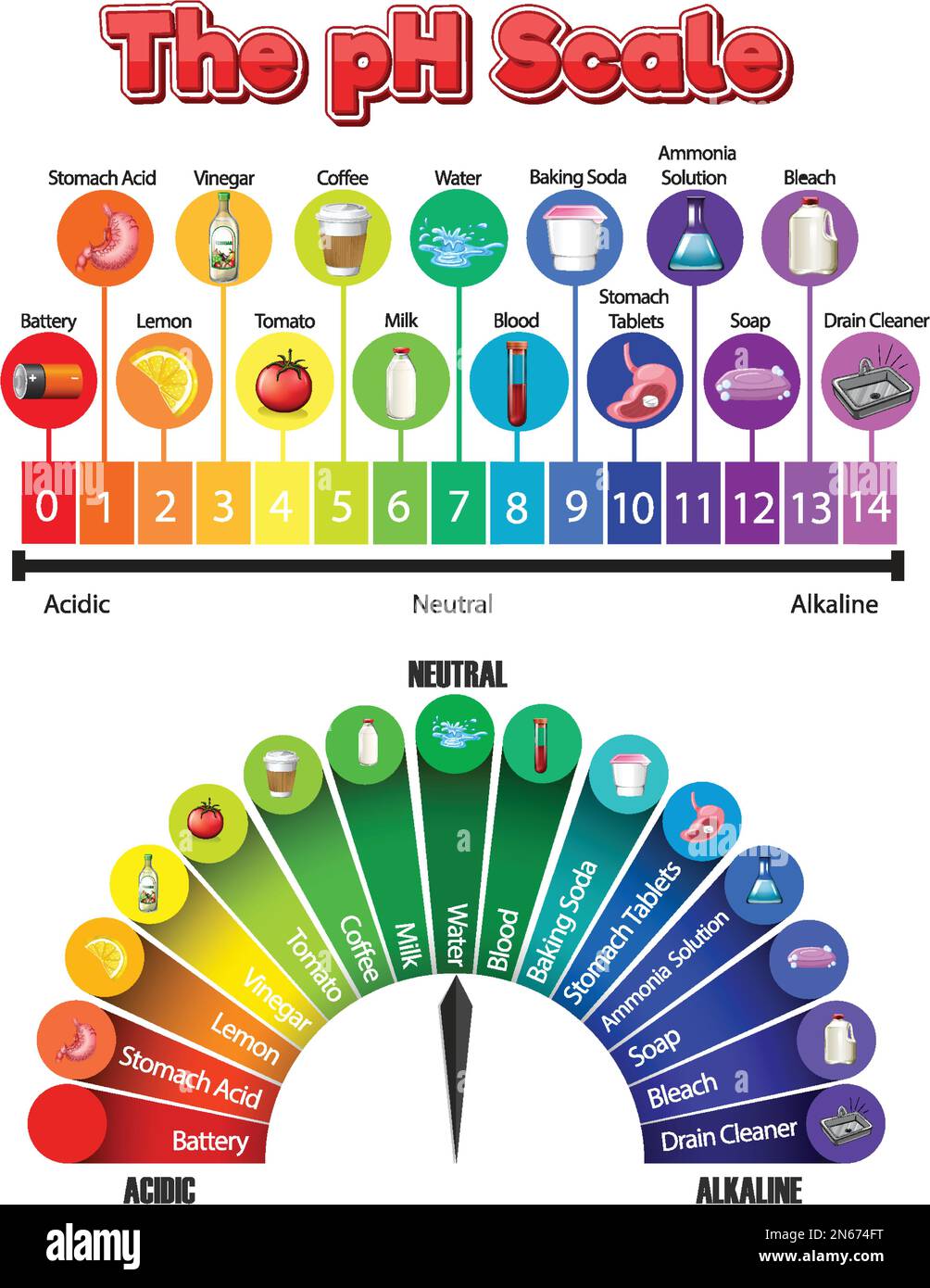
The term pH stands for potential of hydrogen, measuring the concentration of hydrogen ions in an aqueous solution on a logarithmic scale from 0 to 14. A reading of 7.0 is neutral. Anything below 7.0 is acidic, while anything above 7.0 is basic or alkaline.
In bottled beverages, pH influences taste perception and pipe corrosion potential. Pure, distilled water exposed to ambient air rapidly absorbs carbon dioxide, creating a weak carbonic acid solution that drops its pH closer to 5.7. Natural spring water behaves differently. Because it contains dissolved minerals picked up from subterranean aquifers, it resists rapid pH shifts.
- Acidity (Below 7.0): Often tastes sharper or slightly tart due to higher free hydrogen ion activity.
- Neutrality (7.0): Perfectly balanced, though rare for untouched spring water.
- Alkalinity (Above 7.0): Features a smoother, slightly silky finish driven by bicarbonate buffers.
For everyday hydration, a pH between 7.9 and 8.2 is entirely safe and normal. The human body tightly regulates its internal blood pH between 7.35 and 7.45 regardless of what you drink, meaning alkaline water doesn't fundamentally alter your systemic chemistry. Instead, it simply alters how the beverage tastes on your palate.
The Geological Source and Mineral Profile
Ice Mountain relies on protected underground sources, primarily Sanctuary Spring in Mecosta County and Evart Spring in Osceola County, Michigan. These springs tap into deep glacial aquifers formed thousands of years ago.
As water travels through these underground rock strata, it dissolves minute amounts of surrounding minerals. You can review the official water quality reports provided by BlueTriton Brands to see the exact breakdown of total dissolved solids (TDS), which typically sit between 170 and 310 milligrams per liter for Ice Mountain.
Key mineral components influencing its chemical balance include:
- Calcium: Ranging from 45 to 80 milligrams per liter, contributing structural hardness and a slight sweetness.
- Magnesium: Ranging from 16 to 31 milligrams per liter, adding depth to the flavor profile.
- Bicarbonates: Acting as the primary chemical buffer that locks the pH in the mild 7.9 to 8.2 alkaline window.
This specific mineral matrix ensures that the liquid isn't completely flat or stripped of character, distinguishing natural spring water from purified municipal tap water that has gone through reverse osmosis and lost all mineral content.
How Processing Impacts Water Chemistry
Before reaching store shelves, spring water undergoes multi-stage filtration and disinfection to guarantee safety. According to standards outlined by the U.S. Food and Drug Administration, natural spring water must be collected from an underground source and retain the same physical properties and mineral content it possessed underground.
The treatment process typically involves microfiltration, ultraviolet (UV) treatment, and ozonation to eliminate microbes without altering the core mineral structure. Because ozone gas ($O_3$) quickly dissipates into standard oxygen, it doesn't leave a residual taste or permanently disrupt the natural pH balance.
However, consumers should note that product lines vary. While the standard spring water sits at an alkaline 7.9 to 8.2, other variants like distilled or purified options undergo aggressive processing that strips minerals entirely, resulting in a lower, neutral or slightly acidic pH reading. Always check the bottle label to confirm whether you are holding natural spring water or purified water.
Common Misconceptions About Bottled Water pH
Internet rumors often exaggerate the health benefits of high-pH water or misrepresent standard beverage testing. Understanding the science helps cut through common myths:
- Myth: High pH water detoxifies the body. Your kidneys and lungs handle acid-base regulation continuously. Drinking alkaline water does not change systemic blood pH or detoxify organs.
- Myth: All bottled water has the exact same pH. Chemical properties vary wildly depending on whether the source is a deep limestone aquifer, a mountain stream, or a municipal tap plant.
- Myth: pH tests done at home with cheap strips are definitive. Inexpensive paper test strips can easily produce inaccurate readings when exposed to low-mineral or unbuffered liquids due to a lack of electrical conductivity. Accurate measurement requires a calibrated digital pH meter.
For further reading on national drinking water standards and safety regulations, consult the guidelines published by the U.S. Environmental Protection Agency.
Frequently Asked Questions
Is Ice Mountain water considered alkaline?
Yes. The standard natural spring water variant has a pH ranging from 7.9 to 8.2, which places it slightly above neutral on the pH scale.
Does the pH change after opening the bottle?
If left open to the air for an extended period, the water can absorb carbon dioxide from the room. This reaction can form weak carbonic acid, causing the pH to drift slightly downward toward neutrality, though the mineral buffers minimize drastic shifts.
Why do some online videos claim Ice Mountain is acidic?
Older or informal video tests often rely on low-quality chemical indicator drops or expired test strips that fail to register accurate readings in low-mineral solutions. Laboratory testing confirms the actual baseline range is mildly alkaline.
Does Ice Mountain add artificial minerals to raise its pH?
No. Because it is classified as 100% natural spring water, the mineral content and resulting pH are entirely natural, derived from the underground geological formations where the water is pumped.



