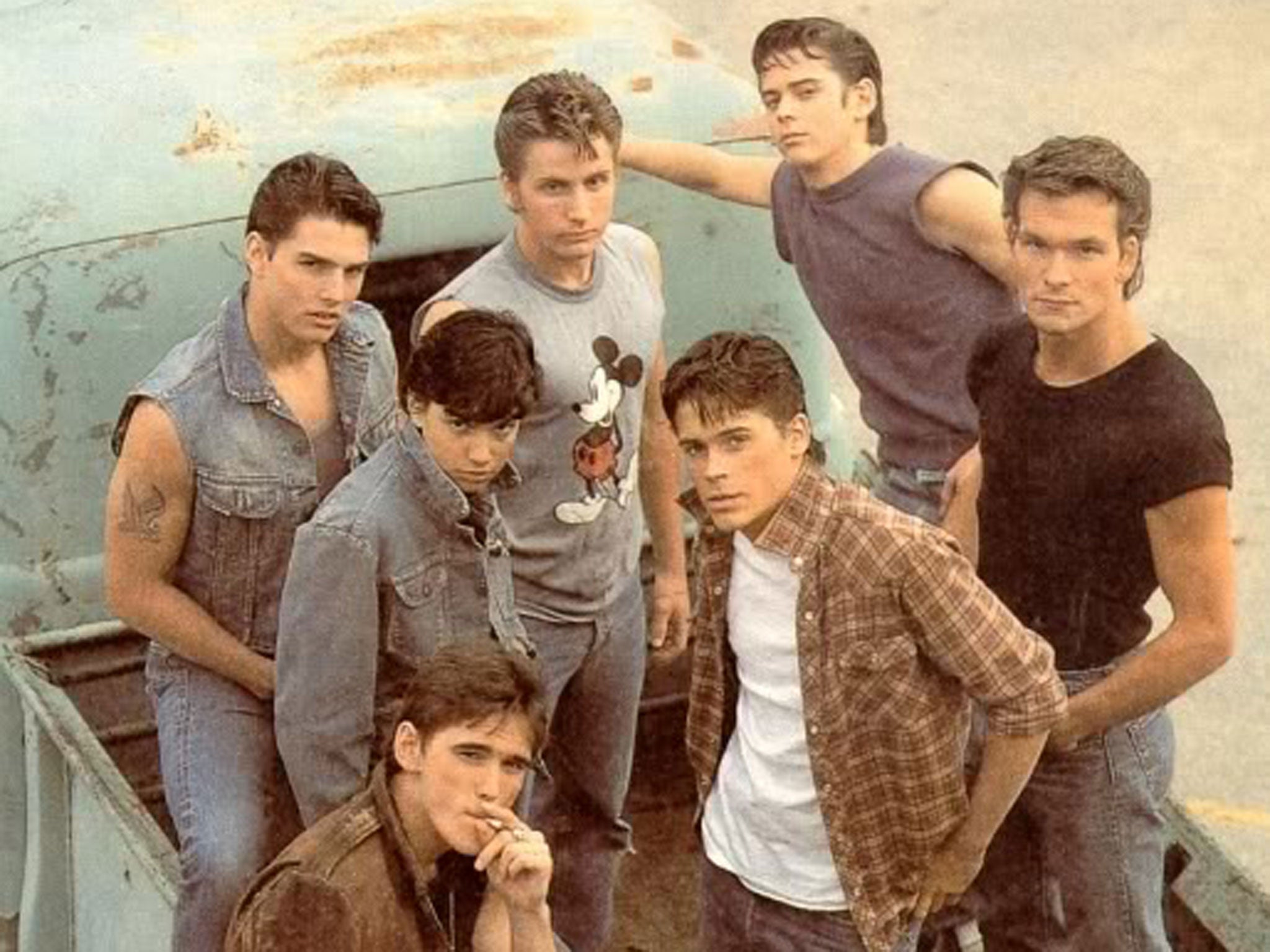
S.E. Hinton published The Outsiders in 1967 when she was just sixteen years old, forever changing young adult literature by refusing to sugarcoat teenage violence, class division, and systemic alienation. At the center of this milestone novel sits a rigid social hierarchy divided by wealth, geography, and expectations. To understand how Hinton constructs her world, a clear breakdown of the relationships, rivalries, and internal struggles is essential. This analysis examines the primary keyword, The Outsiders character chart, mapping out the Greasers and the Socs while uncovering the moral crossroads each character faces.
The central conflict arises between two rival gangs in Tulsa, Oklahoma: the Greasers, representing the working-class East Side, and the Socs (short for Socials), representing the wealthy West Side. Readers often seek a character chart to trace how individual loyalties shift, how violence spirals out of control, and how characters like Ponyboy Curtis and Cherry Valance bridge the gap between two worlds that view each other as enemies. By analyzing the social maps and moral choices of these teenagers, we see that the real enemy isn't the opposing gang, but the rigid expectations of a stratified society.
The Greasers: Loyalty, Brotherhood, and Survival
The Greasers operate as an adopted family for kids who lack stability at home. They grease their hair, wear denim and leather, and stick together because society has already written them off as delinquents.
Ponyboy Curtis
Ponyboy is the narrator and intellectual center of the group. Unlike most Greasers, he loves books and movies, setting him apart from his brothers and friends. His moral crossroad centers on maintaining his humanity in a world that pushes him toward bitterness. Throughout the story, Ponyboy learns that heroes and villains aren't neatly divided by social class.
Sodapop Curtis
Sodapop is Ponyboy's older brother, known for his movie-star good looks, charm, and easygoing nature. He dropped out of high school to work at a gas station and keep the family together. Sodapop's moral struggle involves emotional exhaustion; he's caught in the middle of the constant fighting between Ponyboy and their eldest brother, Darry.
Darrel "Darry" Curtis
Darry is the oldest Curtis brother, forced to step into a parental role after their parents die in a car crash. He gave up a college athletic scholarship to work two jobs and support his family. Darry's strictness with Ponyboy comes from a place of intense fear and responsibility, making him look harder than he actually is.
Johnny Cade
Johnny is the gang's pet, abused at home by his parents and constantly terrified after being beaten up by a gang of Socs. Despite his trauma, Johnny possesses a deep gentleness and capacity for reflection. His moral turning point occurs when he kills a Soc to save Ponyboy, setting off a tragic chain of events that forces him to reevaluate his short life.
Dallas "Dally" Winston
Dally is the hardened criminal of the group, having spent time in New York gang fighting before coming to Tulsa. He is cynical, rebellious, and fiercely protective of Johnny. Dally's moral tragedy is his inability to cope with vulnerability or grief; when Johnny dies, Dally loses his anchor and self-destructs.
Two-Bit Mathews and Steve Randle
Two-Bit is the oldest and wisest-cracking member, famous for carrying a switchblade and shoplifting. Steve is Sodapop's best friend and an expert mechanic who views Ponyboy as a nuisance. Both provide crucial support to the group dynamic without driving the main moral arcs.
The Socs: Wealth, Privilege, and Emptiness
The Socs drive Mustangs, wear madras shirts, and jump Greasers for fun. On the surface, they have everything money can buy, but Hinton reveals a hollow core beneath their polished exteriors.
Cherry Valance
Cherry is a Soc cheerleader who meets Ponyboy at a drive-in movie theater. She defies gang boundaries by talking to Greasers and recognizing their shared humanity. Cherry's moral dilemma is her fear of social ostracization; she likes Ponyboy and wants to help, but she refuses to be seen with him at school out of concern for her reputation.
Bob Sheldon
Bob is Cherry's boyfriend and the leader of the Socs who terrorizes Johnny and Ponyboy. Wearing heavy rings that he uses to beat up Greasers, Bob represents unchecked privilege and lack of parental boundaries. His death at Johnny's hand exposes the destructive consequences of teenage impunity and unaddressed anger.
Randy Adderson
Randy is Bob's best friend who ultimately rejects the senseless violence of the gang wars. After Bob's death, Randy talks honestly with Ponyboy, realizing that fighting changes nothing and that grief affects the rich just as deeply as the poor.
The Social Map: Geography and Class Divide
The physical layout of Tulsa dictates social standing. The East Side belongs to the working-class Greasers, while the West Side belongs to the affluent Socs. This geographical separation fosters mutual misunderstanding and fear. When characters cross the tracks, violence usually follows.
However, Hinton uses neutral territory—such as the Nightly Double drive-in movie theater and the abandoned church in Windrixville—to break down these barriers. When Ponyboy talks to Cherry at the drive-in, he realizes a fundamental truth: "Things are rough all over." Both groups deal with pain, family pressure, and the terrifying uncertainty of growing up. Wealth protects the Socs from legal consequences, but it does not protect them from emotional numbness.
Moral Crossroads and Redemption
Every major character in the novel stands at a moral crossroads where a single decision alters the trajectory of their lives.
- Johnny's Choice at the Park: When Bob tries to drown Ponyboy, Johnny faces a choice between running away in fear or intervening with lethal force. He chooses to act, crossing a line from which he can never return.
- The Fire Rescue: After hiding out in the church, Ponyboy and Johnny witness the building catch fire with local children trapped inside. Instead of fleeing, they run into the burning structure. This selfless act redeems Johnny in the eyes of the community and proves to Ponyboy that Greasers are capable of true heroism.
- Dally's Breaking Point: Following Johnny's death, Dally's moral compass shatters. He chooses a final act of defiance by robbing a grocery store and pulling an unloaded gun on the police, effectively committing suicide by cop because he cannot imagine a world without Johnny.
- Ponyboy's Acceptance: Ponyboy's ultimate moral victory is deciding to write his English theme about his experiences. By telling the story of the Greasers, he honors Johnny's final advice to "stay gold"—keeping his innocence, empathy, and appreciation for beauty intact despite the trauma he endured.
For further reading on the historical context of youth culture in the 1960s, visit the Library of Congress collections on American social history, or explore literary analysis resources through the National Endowment for the Humanities.
Frequently Asked Questions
What does staying gold mean in The Outsiders?
The phrase comes from a Robert Frost poem that Ponyboy recites to Johnny. It means holding onto the purity, wonder, and innocence of childhood before the harsh realities of the world cynically harden you.
Why do the Socs and Greasers hate each other?
The hatred stems from class resentment and tribalism. The Socs look down on Greasers for their poverty, while the Greasers resent the Socs for their unearned wealth and casual cruelty. The violence escalates into a destructive cycle where neither side remembers why the fighting started.
How does S.E. Hinton write about social class so accurately?
Hinton wrote the book while attending a high school divided by real-life cliques in Tulsa, Oklahoma. She based the tension between the Greasers and Socs on observations of her own peers, capturing authentic teenage alienation and anger.
Why is Bob Sheldon wearing rings significant?
Bob's heavy rings are physical weapons used during beatings, most notably leaving permanent emotional and physical scars on Johnny's face. They symbolize how material wealth and status can be weaponized against the vulnerable.



