The name Kelly stands as one of the most prominent cultural exports from Ireland, functioning seamlessly as both a storied surname and a widely adopted given name across the globe. Tracing its lineage reveals an evolution from ancient Gaelic clan designations to a modern moniker used across continents, media, and professional spheres.
At its linguistic core, the modern surname derives from the Irish Gaelic Ó Ceallaigh, meaning descendant of Ceallach. The personal name Ceallach itself carries ancient roots, frequently translated by historians and linguists to mean bright-headed, frequent, or associated with a church or monastery. Long before modern record-keeping, families bearing this designation held significant influence in regions such as County Galway and County Meath, where clan structures governed daily life, regional defense, and local politics.
Transitioning from a clan identifier to a widespread given name occurred largely through emigration and cultural exchange. As millions left Ireland during the nineteenth century, traditional surnames often crossed over to become first names or middle names to preserve heritage. By the mid-twentieth century, the name gained distinct traction in North America and other English-speaking regions, appealing to parents looking for a designation that felt both grounded in tradition and punchy for everyday use. Official naming statistics from organizations like the Social Security Administration indicate that the given name experienced substantial waves of popularity throughout the decades, particularly peaking during the latter half of the twentieth century.
Examining the mechanics of how the name functions culturally requires looking at its dual nature. As a surname, it anchors individuals to a rich genealogical tapestry tied to the ancient kingdoms of Connacht and Leinster. Historical annals, such as the Annals of the Four Masters, reference numerous chieftains, clerics, and scholars bearing the root name, cementing its association with leadership and resilience. As a given name, it sheds its strictly geographic limitations, becoming a versatile choice that crosses gender lines and industry boundaries with ease.
Common misconceptions often muddy the waters regarding the name's origins. Many casual etymology sources incorrectly link it to Old English or Norse roots due to phonetic similarities with unrelated words. In reality, the Gaelic lineage is distinct and well-documented through medieval manuscripts. Another frequent oversight involves treating the name as monolithic; in historical Ireland, different septs of the clan arose independently in various counties, meaning not all modern families sharing the name descend from a single common ancestor.
For researchers and writers tracing genealogy or exploring linguistic patterns, several practical steps help clarify research:
- Examine civil birth, marriage, and death records in Ireland via digitized databases like Irish Genealogy to track specific ancestral townlands.
- Distinguish between the primary spelling variants, such as O'Kelly and Kelly, noting that the prefix was frequently dropped during nineteenth-century immigration processing.
- Consult historical land records, such as Griffith's Valuation, to pinpoint where specific family clusters resided prior to mass migration periods.
Frequently Asked Questions
What is the literal meaning of the name Kelly? The name originates from the Gaelic Ó Ceallaigh, typically interpreted as a descendant of Ceallach, with Ceallach translating to bright-headed or war-like.
Is Kelly primarily used as a first name or a surname? Historically, it originated as a surname in Ireland. Over the last two centuries, it transitioned into a popular given name for both males and females internationally.
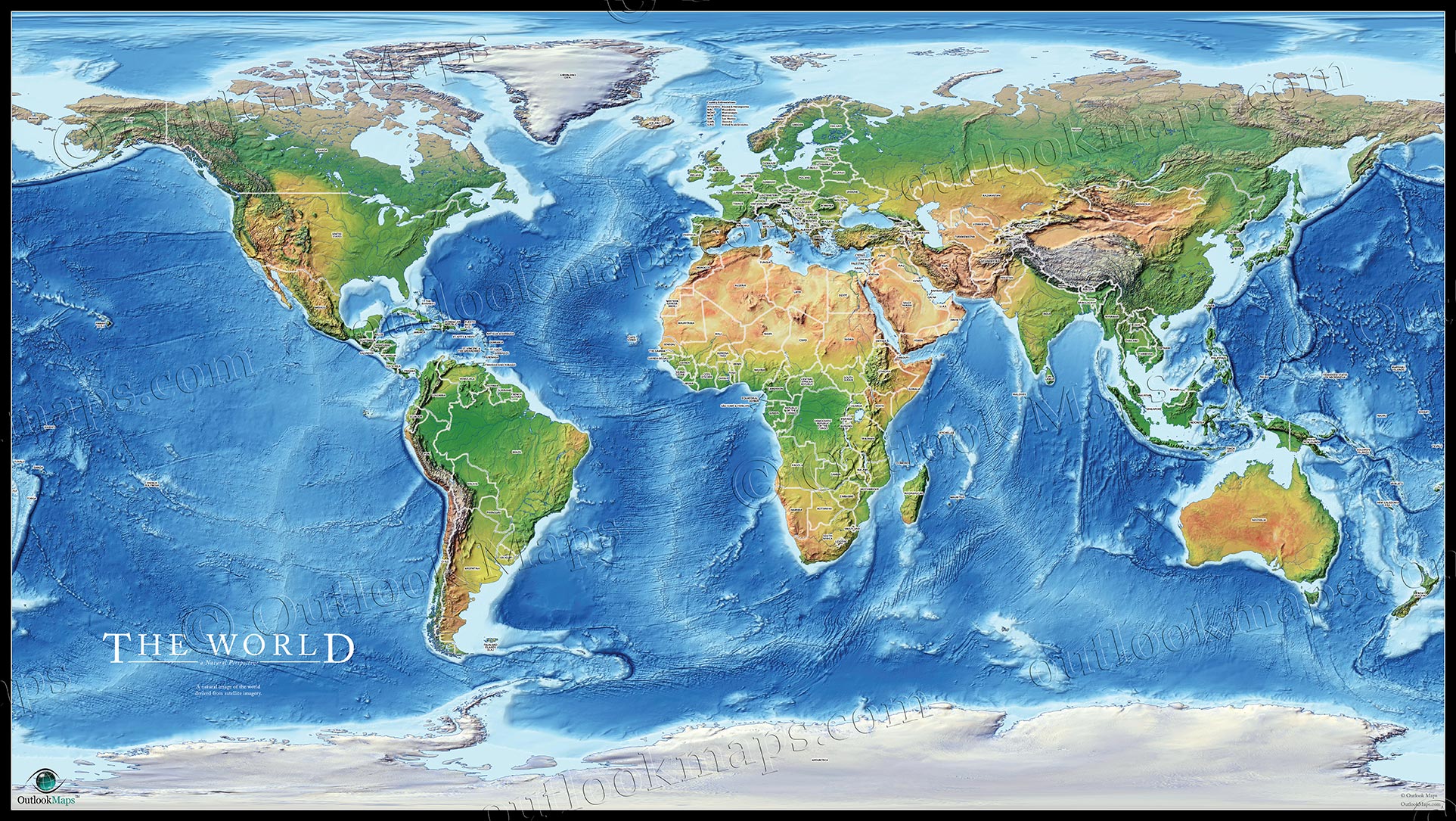
How common is the surname in modern times? It consistently ranks among the most frequent surnames in Ireland and maintains a significant presence in diaspora populations across the United States, Canada, Australia, and the United Kingdom.
Did multiple unrelated clans use this name in Ireland? Yes. Several distinct septs across different parts of Ireland, including descendants of the Ui Maine kingdom, used the surname independently without sharing a direct recent lineage.