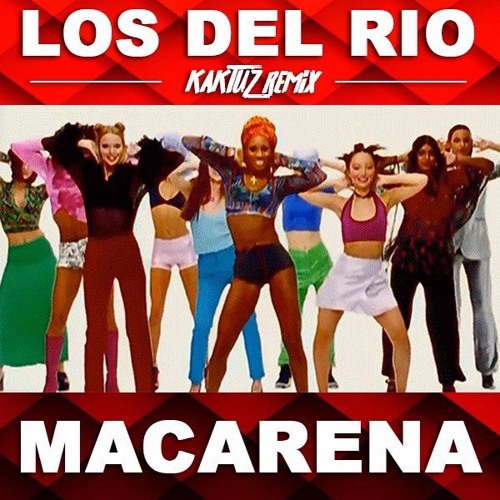
In the summer of 1996, you couldn't escape a simple four-count rhythm accompanied by a synchronized series of arm movements and a sharp hip shake. The Macarena by Spanish duo Los Del Río didn't just top the charts; it occupied public spaces from corporate weddings to Major League Baseball stadiums. Long before viral social media challenges existed, this Spanish-language novelty track conquered the globe through sheer repetition, infectious rhythm, and a dance routine so simple that toddlers and politicians alike could master it in minutes.
Understanding how a modest rumba-flamenco tune became an international phenomenon requires looking past the novelty. The track's path from a private Venezuelan party performance to a record-breaking fourteen-week reign on the Billboard Hot 100 reveals how timing, strategic club remixes, and pre-internet media synergy collided to create the ultimate nineties earworm.
The Origins: From Seville to a Venezuelan Flash of Inspiration
The story begins in 1992 in Seville, Spain, where Antonio Romero Monge and Rafael Ruiz Perdigones formed the flamenco and rumba duo Los Del Río. Invited to perform at a private party in Venezuela hosted by Venezuelan businessman Gustavo Cisneros, the musicians wanted to pay tribute to a local flamenco dance teacher named Venezuela Matilde.
During an impromptu performance at the party, Romero improvised a rhythmic chant on the spot, calling out to a woman named Macarena. The name itself carries deep cultural resonance in Seville, evoking the neighborhood of La Macarena and the famous Virgin of Esperanza Macarena. The crowd reacted immediately to the improvised hook, shouting the name back with enthusiasm.
Recognizing the spark, the duo recorded the track for their 1993 album A Mí Me Gusta. In its original form, the song was a traditional, acoustic-driven rumba. It became a modest hit across Spain and parts of Latin America, functioning as a pleasant, upbeat regional dance track. It showed no immediate signs of becoming a global juggernaut.
The Berman Brothers Remix and American Crossover
The catalyst for world domination arrived when record executives at RCA Records recognized the infectious core of the track but knew American audiences required a different sonic packaging. Enter the New York-based production team known as the Berman Brothers, who were hired to remix the song for US clubs and radio.
The remixers stripped away much of the traditional instrumentation, layered a driving dance-pop beat underneath the Spanish vocals, and added an unmistakable English-spoken intro: "Give your body some joy, Macarena, 'cause your body's given body joy thing." This hybrid version retained the organic Spanish guitars while wrapping the hook in a punchier, club-friendly electronic rhythm.
Radio stations in Miami picked up the remix first, testing it on bilingual audiences. The response was immediate. Call-out scores for the song shattered station records, prompting a swift rollout across top-40 radio networks nationwide.
The Dance Craze That Paralyzed Normal Life
A catchy song alone rarely secures fourteen consecutive weeks at number one on the Billboard charts. The secret weapon was the dance created by Miami dance instructor Mia Frye, who choreographed a precise four-part routine for the music video and promotional events.
The steps were brilliantly simple:
- Extend right arm forward, palm down.
- Extend left arm forward, palm down.
- Turn right palm up, then left palm up.
- Place right hand on left shoulder, left hand on right shoulder.
- Place right hand on right hip, left hand on left hip.
- Swing hips in a circle for four beats while jumping a quarter turn to the left.
- Repeat the entire sequence facing the new direction.
This mechanical simplicity removed any barrier to entry. Schools banned students from doing it in hallways because it caused congestion; politicians awkwardly attempted it on late-night talk shows; and athletes performed it in endzone celebrations. By late 1996, the dance transformed the listening experience from passive consumption into active, communal participation.
Cultural Impact and Political Ubiquity
The song's cultural footprint peaked during the 1996 US presidential election cycle. At the Democratic National Convention, delegates were filmed doing the dance en masse, prompting a memorable quip from then-Vice President Al Gore, who joked that he wanted to demonstrate his own version of the dance—before remaining completely still and deadpan.
Critics often dismissed the track as a disposable novelty, yet its commercial staying power rewrote industry rules. It proved that a song performed entirely in Spanish could dominate mainstream Anglo-American media without losing its linguistic integrity. This paved the way for future Latin crossover artists in the late nineties and early 2000s, proving that global audiences would embrace foreign-language hits if the groove was undeniable.
Common Misconceptions About the Macarena
Many listeners harbor myths about the track that persist decades later.
- Myth: The song is about a woman named Macarena who cheats on her boyfriend.
- Reality: While the lyrics do tell a story of a woman named Macarena who celebrates her boyfriend's departure for the military by dancing with two of his friends, the narrative was largely secondary to the infectious chant.
- Myth: Los Del Río wrote the dance routine themselves.
- Reality: The duo sang and played guitar, but the iconic physical movements were entirely designed by choreographer Mia Frye for the American market rollout.
Frequently Asked Questions
How long did the Macarena stay at number one?
The song spent 14 consecutive weeks at the top of the Billboard Hot 100 chart in 1996, setting a record at the time for the longest run for a Spanish-language song.
Are Los Del Río still active today?
Yes, Antonio Romero Monge and Rafael Ruiz Perdigones continued recording and performing in Spain long after their global hit, maintaining a steady career in traditional rumba and sevillanas music.
Why was the song so successful in America?
The combination of the upbeat Berman Brothers dance remix, aggressive radio promotion in Miami, and the physical instructional nature of the accompanying dance video drove unprecedented viral adoption before social media existed.
Did Los Del Río make a lot of money from the hit?
Despite the song's massive global sales, royalties were heavily split among various publishers, songwriters, and remixers, though the duo secured substantial performance rights and touring revenue for years following the craze.



