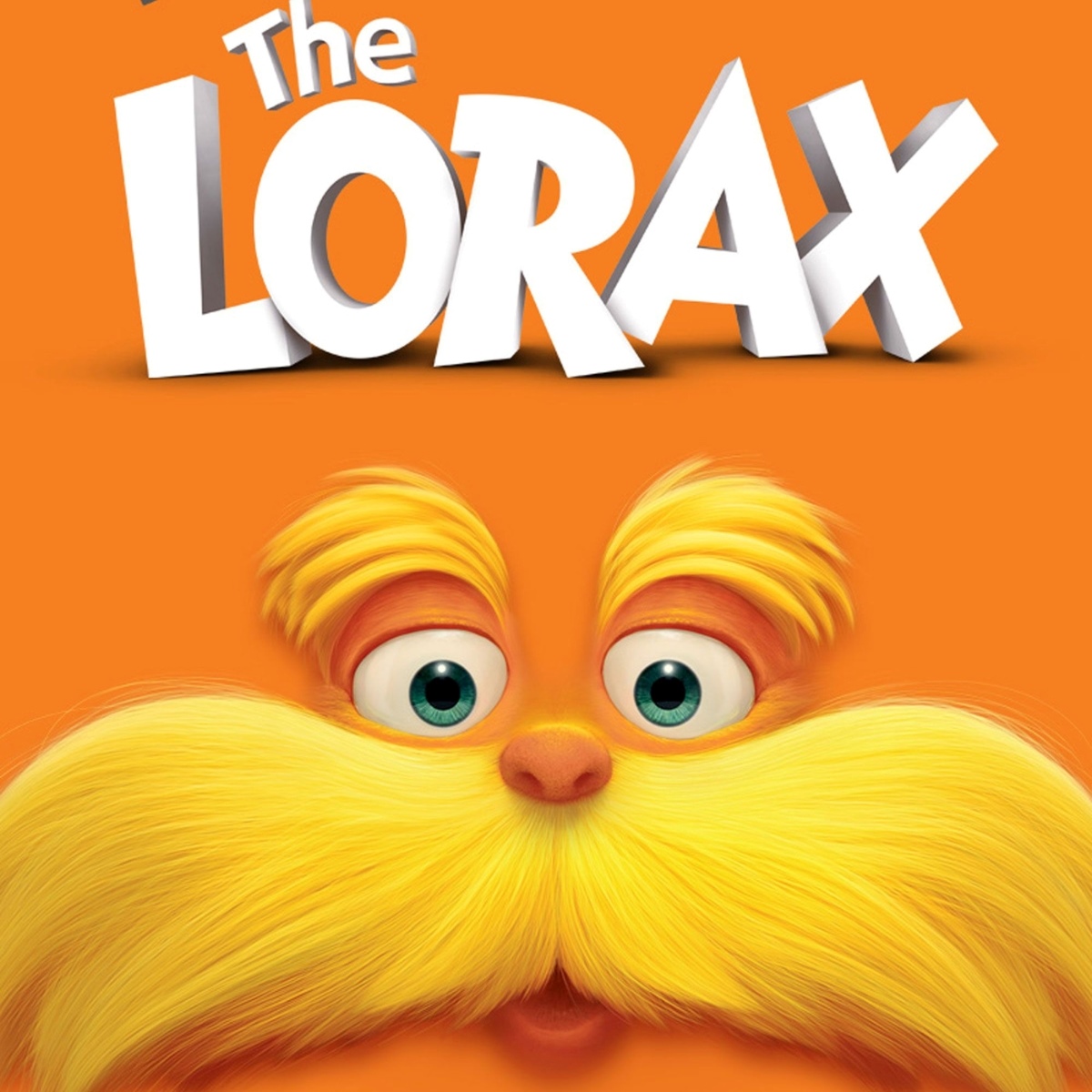
The 2012 animated adaptation of Dr. Seuss's The Lorax brought the iconic ecological fable into the modern era with a star-studded voice ensemble. Directed by Chris Renaud, the movie expanded the slim children's book into a feature-length musical comedy set inside the artificial, plastic city of Thneedville. Behind the vibrant animation and catchy songs is a cast of famous Hollywood actors who breathed life into the guardian of the forest, the ambitious Once-ler, and the residents of a world starved for real trees.
Understanding who voiced these animated figures adds a new layer to the production. Universal Pictures and Illumination Entertainment recruited comedy veterans, pop superstars, and legendary television icons to fill out the roster. Let's break down the main voice actors, their corresponding characters, and how they shaped the film's environmental message.
Main Voice Cast and Characters
The success of the 2012 film relied heavily on recognizable vocal performances that could ground the whimsical, exaggerated animation of Dr. Seuss's universe.
- Danny DeVito as The Lorax: DeVito voiced the grumpy, orange guardian of the forest who speaks for the trees. Interestingly, DeVito didn't just record the English track; he performed the voice-over work in Spanish, Italian, German, and Russian using phonetic coaching.
- Ed Helms as The Once-ler: Helms portrayed the conflicted businessman whose ambition destroys the vibrant Truffula tree valley. The film famously conceals the Once-ler's face for much of the runtime, placing immense pressure on Helms to convey deep regret and transformation through voice alone.
- Zac Efron as Ted Wiggins: Efron voiced the earnest 12-year-old protagonist living in Thneedville who ventures outside the city walls to find a real tree to impress his crush.
- Taylor Swift as Audrey: Swift voiced Ted's neighbor and love interest, an artist whose ultimate dream is to see a real, living Truffula tree growing in her yard.
- Rob Riggle as Aloysius O'Hare: Riggle played the greedy bottled-oxygen mogul who controls Thneedville's air supply and profits from environmental devastation.
- Betty White as Grammy Norma: The legendary television actress voiced Ted's sharp-witted grandmother, who remembers when real trees still grew in the valley.
Expanding the Seuss Universe
Unlike the original 1971 television special, the 2012 film required a larger ensemble to populate the consumerist paradise of Thneedville. Screenwriters Cinco Paul and Ken Daurio introduced several supporting roles that did not exist in the source text.
Jenny Slate voiced Mrs. Wiggins, Ted's overprotective and easily distracted mother. Nasim Pedrad took on the role of the Once-ler’s demanding mother, whose constant pressure drives her son toward industrial greed. Meanwhile, veteran character actor Stephen Tobolowsky appeared as Uncle Ubb, and Elmarie Wendel voiced Aunt Grizelda, rounding out the eccentric and enabling Once-ler family clan.
The corporate dystopia of Thneedville also required corporate lackeys. Joel Swetow and Michael Beattie voiced the marketing executives who help O'Hare package and sell bottled air to citizens who have forgotten what fresh atmosphere feels like.
The Forest Creatures and the Truffula Ecosystem
The heart of the story rests on the fragile ecosystem of the Truffula Valley, home to creatures that depend entirely on the soft tufts of the trees. While these animals do not use human speech, their vocalizations and distinct personalities were meticulously crafted.
- Bar-ba-loots: These bear-like, marshmallow-bodied creatures love Truffula fruits and tumble about the forest. Their playful, high-pitched vocal effects add emotional stakes to the environmental collapse.
- Swomee-Swans: Swan-like birds that are forced to leave their home when the air becomes too polluted by the Once-ler's Thneed factory.
- Humming-Fish: Aquatic animals that sing harmonic commentary on the unfolding tragedy, acting as a Greek chorus observing the destruction of nature.
Director Chris Renaud himself stepped into the recording booth to provide the assorted vocal effects and noises for the forest animals, giving the wildlife an authentic, organic feel that contrasted sharply with the synthetic sounds of Thneedville.
Production Trivia and Behind-the-Scenes Facts
Bringing a classic book to the big screen involved unique production choices. According to Universal Pictures, the creative team spent years translating Dr. Seuss's whimsical illustrations into three-dimensional spaces without losing the author's signature asymmetry.
Another notable detail involves the music. Composer John Powell collaborated with songwriters to weave musical numbers directly into the narrative pacing. Tracks like "How Bad Can I Be?" performed by Ed Helms highlight the gradual descent of the Once-ler from an optimistic inventor into a ruthless industrialist.
For more details on the production history, you can explore the Internet Movie Database entry for the film.
Frequently Asked Questions
Did Danny DeVito voice the Lorax in languages other than English?
Yes. Danny DeVito recorded the voice of the Lorax in Russian, Spanish, Italian, and German. He worked closely with phonetic dialogue coaches to ensure proper pronunciation across all five language tracks.
Why was the Once-ler's face hidden in the movie?
The filmmakers chose to maintain the mystery established in the original Dr. Seuss book. Throughout most of the film, viewers only see the Once-ler's green, gloved arms and his silhouette, symbolizing how industrial greed can strip away a person's humanity and identity until only their actions remain.
Are any characters from the 2012 movie present in the original book?
The Lorax, the Once-ler, and the forest animals are the core entities carried over from the book. Characters like Ted Wiggins, Audrey, Aloysius O'Hare, Grammy Norma, and Mrs. Wiggins were entirely created for the 2012 feature film to expand the plot into a standard feature-length runtime.
How much did The Lorax make at the box office?
The film was a major commercial success for Illumination Entertainment, grossing over $348 million worldwide against a production budget of $70 million.


