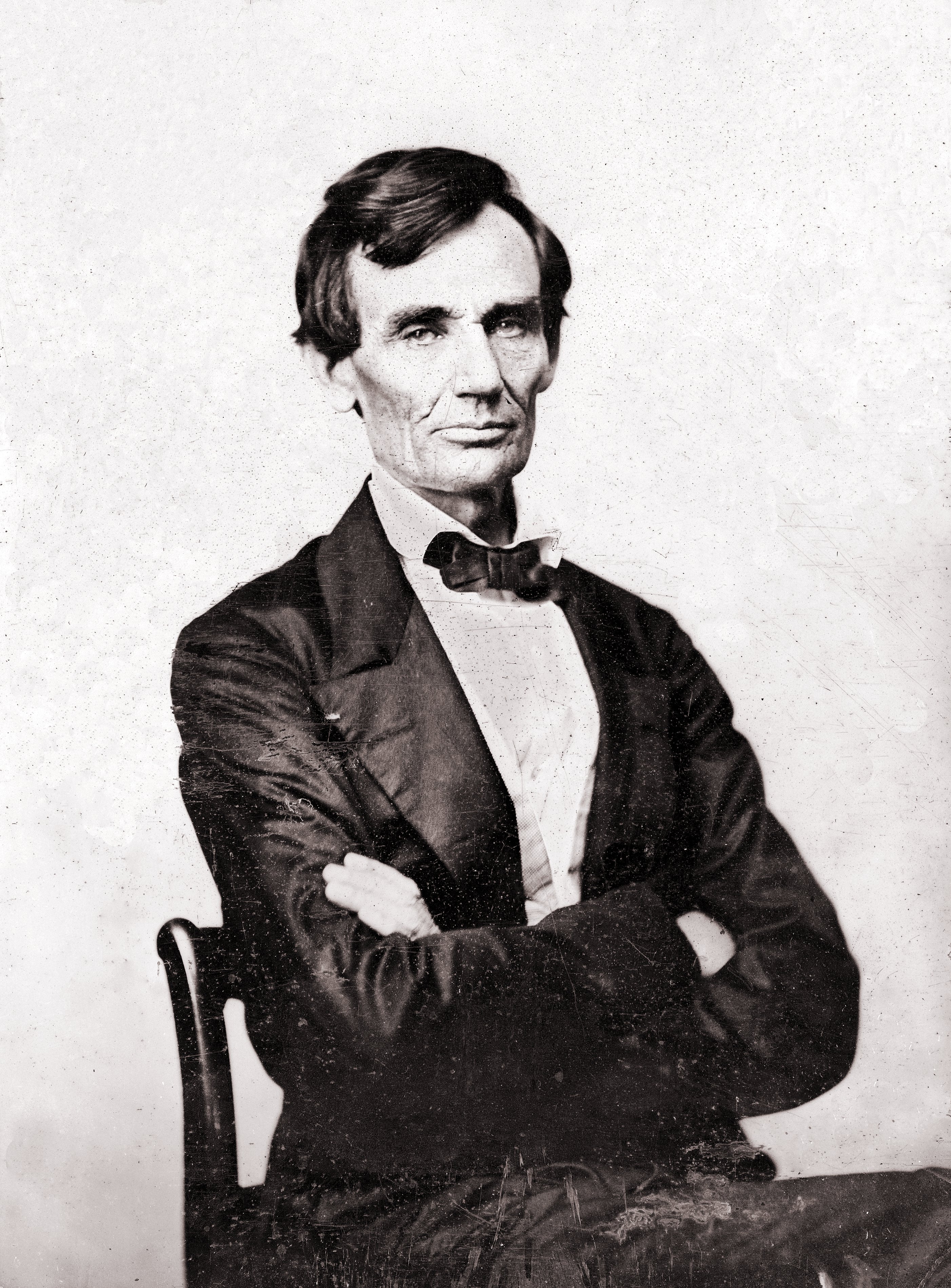
Steven Spielberg’s 2012 historical drama Lincoln avoids the cradle-to-grave biopic trap. Instead, screenwriter Tony Kushner and Spielberg focus on a single, high-stakes legislative battle: the final months of the American Civil War and the fierce political fight to pass the Thirteenth Amendment.
At the core of this cinematic achievement is a meticulous creative engine. The film relies on disciplined casting, rigorous historical framing, and a refusal to romanticize politics. This breakdown examines how the ensemble cast and production choices built one of the defining historical epics of the twenty-first century.
The Casting Philosophy: Authenticity Over Imitation
Spielberg didn't look for actors who merely resembled historical photographs. He sought performers who could capture the psychological weight of mid-nineteenth-century America.
Daniel Day-Lewis famously spent a year in preparation before shooting a single frame. Rather than adopting a booming, thunderous oratorical style often associated with historical presidents, Day-Lewis researched contemporary accounts indicating a high, thin vocal register. This creative choice grounded Abraham Lincoln as an approachable, tired strategist rather than a marble monument.
The supporting cast matched this granular approach. Tommy Lee Jones brought a ferocious, uncompromising grit to Radical Republican Thaddeus Stevens. Sally Field portrayed Mary Todd Lincoln with a volatile, raw vulnerability that illuminated the private grief underlying public survival.
The Ensemble Blueprint
- Daniel Day-Lewis as Abraham Lincoln: Prioritized internal political calculation over grand speechifying.
- Tommy Lee Jones as Thaddeus Stevens: Used caustic wit and ideological steel to anchor the abolitionist push.
- Sally Field as Mary Todd Lincoln: Balanced maternal heartbreak with intense political awareness.
- David Strathairn as William H. Seward: Portrayed the pragmatic, steady hand of executive diplomacy.
Tony Kushner’s Script and the Mechanics of Power
A stellar cast fails without sharp material. Pulitzer Prize-winning playwright Tony Kushner adapted Doris Kearns Goodwin’s historical text Team of Rivals, bypassing easy heroism to showcase the messy machinery of democracy.
Kushner’s dialogue mimics historical cadence without becoming impenetrable. The screenplay treats political compromise not as a moral failure, but as a dirty, essential tool for survival. The House floor scenes hum with the energy of a modern political thriller. Lobbyists secure votes through patronage, threats, and backroom deals, stripping away the sanitized myths often taught in classrooms.
Visual and Auditory World-Building
Director of photography Janusz Kamiński and composer John Williams established an aesthetic that rejected shiny Hollywood gloss.
Kamiński utilized naturalistic, low-key lighting, often framing scenes in hazy sunlight or flickering candlelight. This visual language created a somber, dusty atmosphere that mirrored a nation tearing itself apart. Meanwhile, Williams delivered a restrained, thoughtful score. He avoided overbearing brass fanfares in favor of quiet piano and choral arrangements that let the dialogue breathe.
- Palette: Muted browns, grays, and deep shadows reflect the physical grit of 1865 Washington.
- Pacing: Slow, deliberate cuts emphasize the heavy mental burden carried by administration officials.
- Sound Design: Muffled crowd murmurs and rustling parchment paper pull viewers directly into cramped backrooms.
Frequently Asked Questions
Was Daniel Day-Lewis Spielberg’s first choice for Lincoln?
No. Liam Neeson was originally attached to the project for years during its long development phase. However, Neeson eventually felt he had aged out of the role and stepped aside, paving the way for Day-Lewis to take on the part.
How historically accurate is the portrayal of the Thirteenth Amendment vote?
The film captures the genuine legislative desperation and political arm-twisting required to pass the amendment. While certain specific dramatic confrontations were compressed or stylized for narrative momentum, the historical reality of executive lobbying and corruption to secure votes remains well-documented.
Why did the film focus only on a few months in 1865?
Spielberg and Kushner deliberately chose a narrow window to avoid the superficial pacing of standard biographical movies. Focusing entirely on the final months of the Civil War allowed the narrative to interrogate political execution, sacrifice, and the ultimate cost of freedom.



