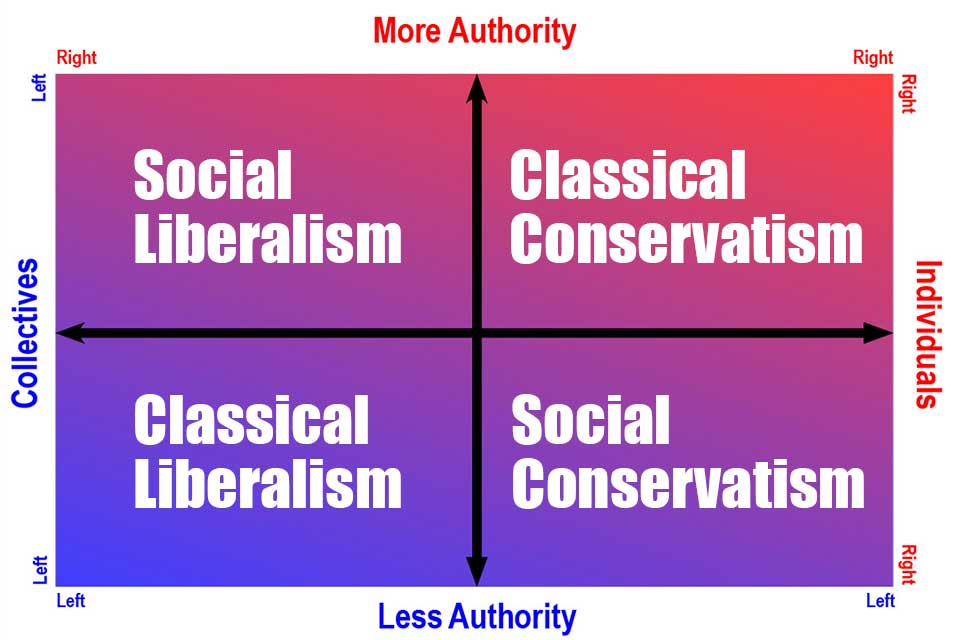
The contemporary American media ecosystem is shaped by an ideological fault line that dictates not just how stories are reported, but which stories matter. Publications like Puck News occupy a specific niche in this ecosystem, focusing heavily on the inner corridors of power, media, Wall Street, and Washington. Understanding the liberal vs conservative divide through the lens of specialized outlets requires looking past standard partisan talking points to examine how elite journalism frames political conflict.
The publication's editorial approach doesn't fit neatly into traditional cable news boxes. Instead, it blends insider access with analytical commentary, appealing to readers who track the mechanics of power rather than just daily partisan squabbles. Analyzing this perspective reveals how modern digital media handles the perpetual tension between progressive frameworks and conservative critiques.
The Anatomy of the Modern Media Divide
The polarization between liberal and conservative viewpoints isn't a new phenomenon, but the infrastructure distributing these views has transformed. Traditional legacy newspapers once maintained a broad-tent aspiration, whereas modern digital ventures often cater to sophisticated audiences seeking niche, voice-driven reporting.
The liberal perspective in mainstream elite media typically emphasizes institutional norms, regulatory oversight, systemic reform, and progressive social values. Conversely, the conservative counter-narrative targets government overreach, elite hypocrisy, cultural displacement, and free-market primacy. Outlets covering these dynamics must navigate a readership that is already deeply polarized. When a publication reports on political power players, its underlying editorial framing inevitably reflects assumptions about which institutions are worth trusting. For another perspective on this event, check out the recent coverage from Reuters.
According to independent media analysis groups like AllSides, specialized digital outlets often display moderate ideological leanings while retaining high factual standards. Readers consume these publications not for neutral bullet points, but for insider context that explains how policy decisions intersect with corporate and political ambition.
Inside Puck News and Elite Framing
Puck News operates on a subscription-based model that relies on prominent correspondents covering Hollywood, Silicon Valley, Wall Street, and Washington. This focus means the liberal vs conservative divide is frequently viewed through an elite, coastal lens rather than a populist one.
When covering Washington power struggles, insider journalism tends to focus on strategy, personal rivalries, and institutional survival. This approach creates a distinct vantage point:
- The Insider Focus: Prioritizing who is up and who is down within party hierarchies over deep ideological debates.
- Cultural Proximity: Reporting from media hubs where progressive social norms are standard, which can inadvertently shape the baseline assumptions of political reporting.
- Access Journalism: Balancing the need for anonymous sources within both political parties against the demands of critical analysis.
This framework gives readers a granular look at the mechanics of governance, but it also exposes the publication to critiques from both sides of the aisle. Conservatives often argue that coastal media circles underestimate populist grievances, while progressives may feel institutional reporting is too accommodating to corporate interests.
Ideological Blind Spots in Niche Journalism
Every publication has structural blind spots, and niche reporting covering the political divide is no exception. When journalists spend their time inside Washington or corporate boardrooms, they risk treating politics as a high-stakes game rather than a set of policies affecting everyday citizens.
Conservative critics frequently point out that mainstream and insider digital outlets use subtle linguistic framing that favors progressive policy goals while casting conservative figures in a skeptical light. For instance, policy proposals aimed at deregulation or traditional social values are sometimes framed through a lens of disruption or regression, rather than legitimate ideological preference.
On the other hand, liberal analysts might argue that treating both sides with symmetrical equivalence normalizes rhetoric that undermines democratic norms. Navigating this tightrope requires explicit transparency about editorial perspective—something modern digital subscribers demand. You can explore broader media accountability trends via the Payer Research Center.
Why the Divide Matters for Readers
Understanding how publications frame the political divide helps media consumers decode bias before it shapes their own worldview. When you read a deep-dive report on a congressional battle or a regulatory crackdown, recognizing the underlying perspective allows you to separate reported facts from editorial framing.
The polarization of news isn't disappearing. As media consumption fragments further, specialized outlets will continue to cater to audiences who want more than wire-service summaries. Recognizing the limits and strengths of these perspectives is essential for anyone trying to make sense of modern politics.
Frequently Asked Questions
What is the primary focus of Puck News?
The publication focuses on insider reporting covering the intersection of power, media, entertainment, Wall Street, and Washington politics.
How do liberal and conservative media perspectives differ?
Liberal perspectives generally emphasize institutional trust, regulatory solutions, and progressive social change, while conservative viewpoints prioritize free markets, limited government intervention, and traditional cultural structures.
Is insider journalism biased?
All journalism carries some degree of framing based on the backgrounds and geographic locations of its writers. Insider outlets often reflect the cultural norms of media and political hubs, making awareness of these perspectives vital for media literacy.
Why do readers turn to niche subscription news sites?
Readers often seek out niche subscription sites for behind-the-scenes reporting, deep analytical context, and specialized beat coverage that isn't found in general daily newspapers.


