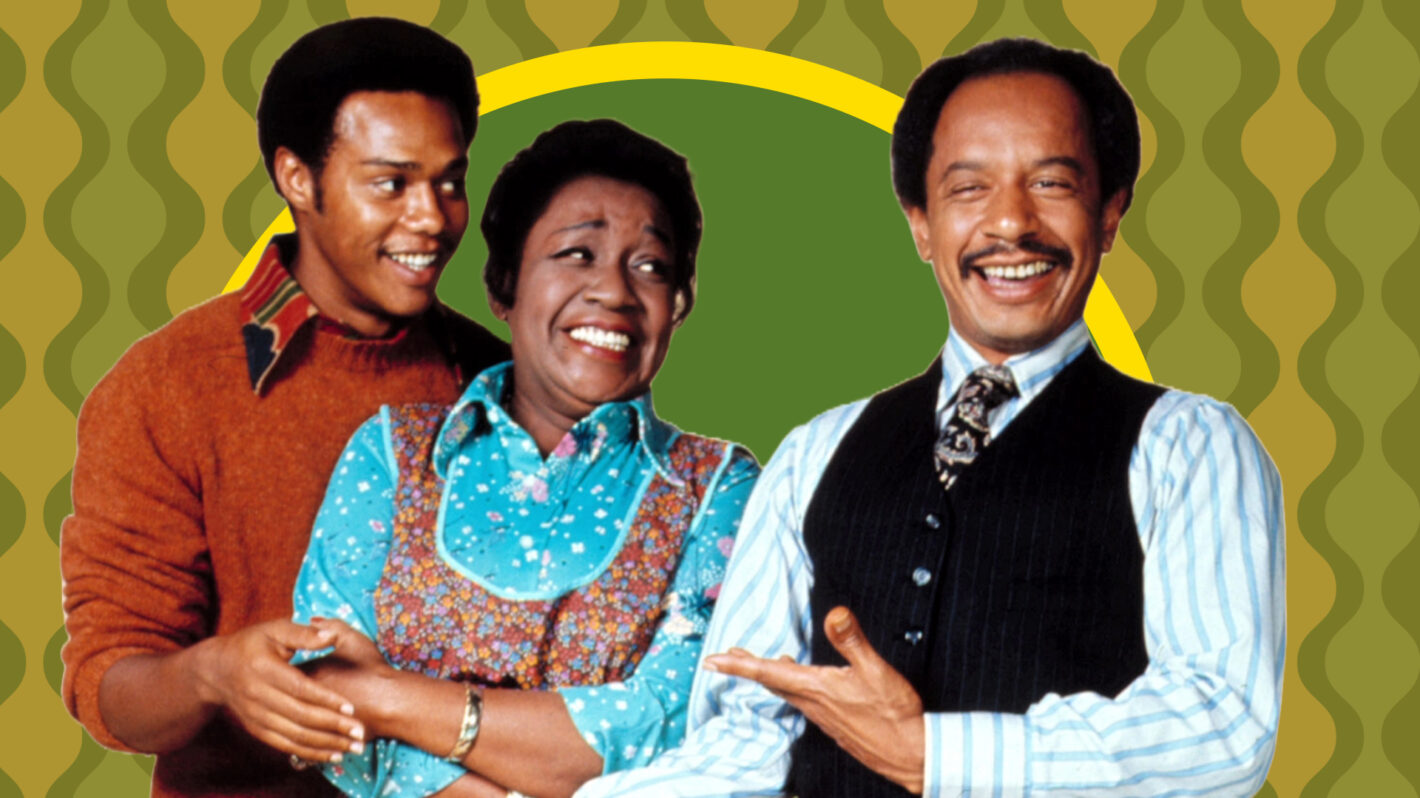
When George and Louise Jefferson packed up their belongings and moved on up to a deluxe apartment in the sky, television comedy shifted its cultural baseline. Premiering on CBS in January 1975, The Jeffersons ran for 11 seasons, logging 253 episodes and securing its place as one of the longest-running sitcoms in American broadcast history. Created by legendary television producer Norman Lear alongside Roy Moore and Dick Clair, the show originated as a spinoff of All in the Family, transferring the sharp-tongued, upwardly mobile dry cleaner and his grounded wife from Queens to Manhattan's affluent Upper East Side.
Beyond its longevity, the series broke ground by placing an affluent Black family at the center of a primetime sitcom. While television in the early 1970s slowly began experimenting with diverse casts, most portrayals centered on working-class struggles or domestic servitude. The Jeffersons turned that formula upside down. George Jefferson was wealthy, ambitious, politically conservative in his own idiosyncratic way, and unapologetically proud of his financial success. By examining race, class ambition, and urban lifestyle through a comedic lens, the show created a template for modern family sitcoms that followed decades later.
Origins and Evolution from All in the Family
The journey of George and Louise Jefferson began in Astoria, Queens, as the next-door neighbors of Archie and Edith Bunker. Portrayed by Sherman Hemsley and Isabel Sanford, the characters provided an immediate, sharp contrast to Archie Bunker's entrenched bigotry. While Archie hurled insults across the driveway, George gave them right back with interest. Hemsley's physical comedy—characterized by strutting walks, finger points, and signature scowls—made an instant impression on audiences, prompting network executives to develop a vehicle specifically for him and Sanford.
Moving the characters to Manhattan created an entirely different dynamic for the series. Instead of reacting to Archie Bunker's worldview, the Jeffersons navigated the social hierarchies of high-rise apartment living. Their new environment introduced a memorable ensemble cast, including their witty maid Florence Johnston (Marla Gibbs), their liberal interracial neighbors Tom and Helen Willis (Franklin Cover and Roxie Roker), and their eccentric English neighbor Harry Bentley (Paul Benedict). This diverse supporting cast allowed the writers to explore contemporary social issues without losing the fast-paced rhythm of traditional multicamera farce.
Breaking Ground: Wealth and Black Representation on TV
In 1975, television representation of Black families rarely featured generational wealth or entrepreneurial triumph. Shows like Good Times and Sanford and Son captured the grit of urban survival, focusing on working-class neighborhoods. The Jeffersons altered this landscape by showcasing a Black businessman who owned a growing chain of dry cleaning stores across New York City. George's wealth was central to his identity; he loved expensive clothes, fast cars, and reminding anyone within earshot that he was a self-made man.
This portrayal challenged prevailing television tropes by showing that upward mobility and financial success belonged to Black families as well. At the same time, the show avoided turning George into a flawless archetype. He was stubborn, occasionally petty, and easily ruffled by anyone he perceived as questioning his status. This complexity made him deeply human. Paired with Louise—affectionately called "Weezie"—who served as the moral anchor of the household, the couple maintained a loving, equal partnership that anchored every comedic conflict.
Behind the Scenes and Production Style
Shot live in front of a studio audience at CBS Television City in Los Angeles, The Jeffersons relied on the theatrical energy typical of Norman Lear productions. The rhythm of the show depended heavily on rapid-fire banter and theatrical timing. Sherman Hemsley and Marla Gibbs developed a legendary comedic rivalry, trading barbed insults that often brought the studio audience to a prolonged roar of laughter.
The production also tackled social issues with the trademark directness of 1970s television. Episodes touched on alcoholism, gambling addiction, racial prejudice, gun control, and middle-age transitions. Yet, unlike heavier dramatic series, these themes were woven into standard domestic disputes or misunderstandings, allowing the studio audience to process serious topics through humor and emotional resolution.
Cultural Legacy and Lasting Influence
The impact of The Jeffersons extends far beyond its 11-year broadcast run. Its theme song, "Movin' On Up," composed by Jeff Barry and Ja'Net DuBois and performed by Gary Taylor, remains one of the most recognizable musical cues in television history. The phrase "moving on up" entered the cultural lexicon as a universal idiom for financial progress and social advancement.
Creators of subsequent hit comedies, from The Cosby Show in the 1980s to black-ish in the 2010s, acknowledged the path cleared by George and Louise. By proving that audiences would embrace a sitcom centered on an affluent Black family with complex aspirations and flaws, the series permanently expanded the boundaries of network television.
To explore more about the history of broadcast television and classic sitcom archives, visit the Paley Center for Media. Additional production history and historical schedules can also be reviewed through the Library of Congress broadcasting collections.
Frequently Asked Questions
Why did The Jeffersons end in 1985?
CBS canceled the series abruptly in the summer of 1985 without filming a proper series finale. Declining ratings in its later seasons and rising production costs contributed to the network's decision to conclude the run after 11 seasons.
How many dry cleaning stores did George Jefferson own?
Throughout the series, George's business expands from a single storefront in Harlem into a successful chain across Manhattan, eventually boasting multiple locations that fuel his wealthy lifestyle.
Did Sherman Hemsley and Isabel Sanford get along in real life?
Yes, Hemsley and Sanford shared a close, lifelong friendship off-screen. Their mutual respect and professional chemistry formed the backbone of the show's enduring domestic dynamic.
What was the relationship between The Jeffersons and All in the Family?
The Jeffersons was a direct spinoff of All in the Family. George and Louise Jefferson lived next door to Archie and Edith Bunker before moving to Manhattan, and characters from both shows occasionally made crossover appearances during the early years.



