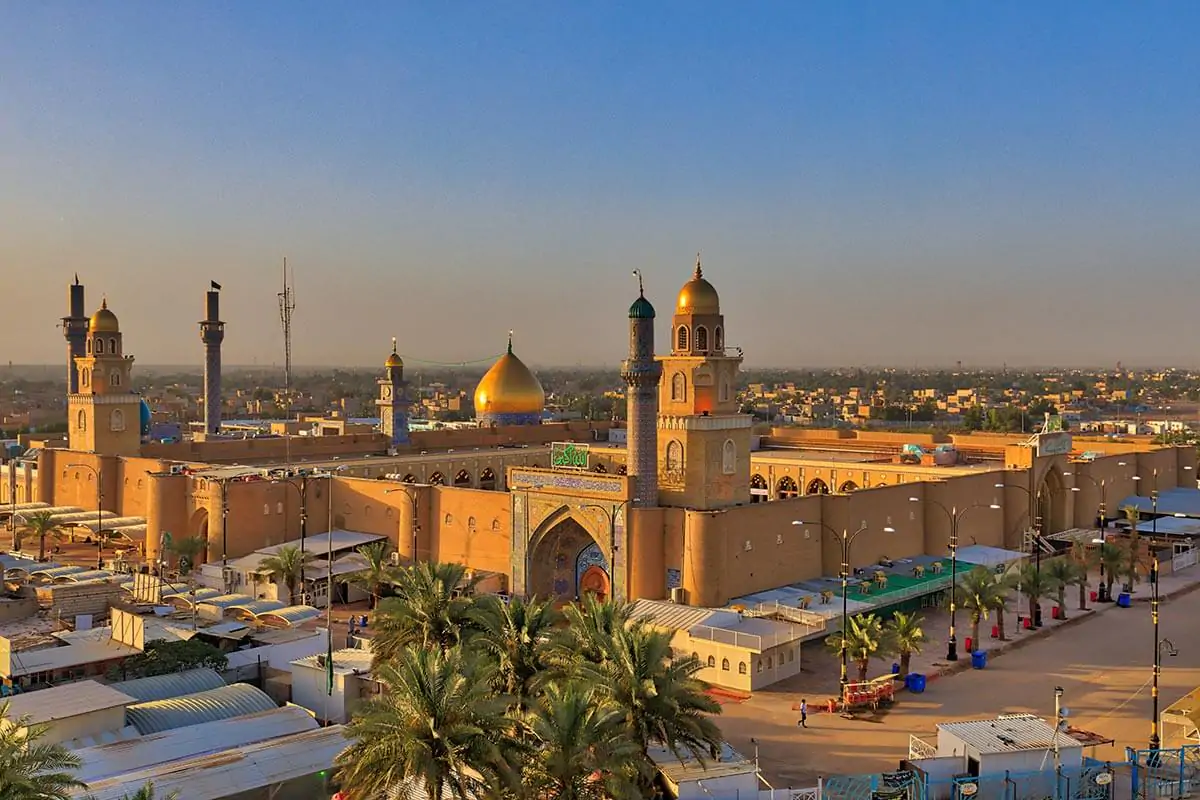
Measuring hours in a society shaped by profound political upheaval is a complex endeavor. The concept of the Iraq clock extends far beyond a simple timepiece; it represents how a nation tracks survival, institutional transitions, and daily life amid ongoing friction. When infrastructure faces pressure and governance shifts rapidly, public markers of time assume deep symbolic and practical weight.
Understanding the role of chronometry in modern Iraq requires looking at how historical foundations interact with contemporary realities. From the ancient Mesopotamian roots of the sexagesimal system—which gave the world its division of hours and minutes—to modern digital dashboards and public monuments in Baghdad, tracking time serves as both an administrative necessity and a mirror of societal resilience.
The Roots of Chronometry in Mesopotamian History
Long before mechanical gears or digital feeds existed, the geographical space of modern Iraq established the mathematical baseline for how humanity measures seconds and hours. Ancient Sumerian and Babylonian scholars utilized a base-60 numerical framework to map celestial movements.
- The Sexagesimal Legacy: The division of circles into 360 degrees and hours into 60 minutes originates directly from ancient Euphrates and Tigris river valley calculations.
- Agricultural Cycles: Early timekeeping relied heavily on seasonal shifts, flood patterns of the twin rivers, and solar positions rather than precise mechanical increments.
- Celestial Observation: Ziggurats functioned partly as monumental observatories, where priests tracked astral bodies to dictate agricultural sowing and religious rituals.
This deep historical pedigree means that tracking time in the region has always been intertwined with mastering environmental and societal rhythms.
Infrastructure and Public Timekeeping in Baghdad
In contemporary Baghdad, maintaining synchronized public schedules faces distinct operational hurdles. Unlike many Western nations that adjust clocks biannually for daylight saving policies, Iraq operates on a stable year-round standard time offset (Arabia Standard Time, UTC+3).
Public clocks located in central squares, government facades, and transit hubs historically acted as community anchors. However, decades of conflict, economic sanctions, and infrastructural damage left many physical public clocks unmaintained or broken. In response, tracking national time shifted toward digital mediums, mobile applications, and official government portals that synchronize state functions, parliamentary sessions, and media broadcasts.
The Impact of Power Grid Fluctuations
A persistent challenge for precise timekeeping in regions with strained electrical grids is the reliance on power supply stability.
- Many analog electronic clocks depend on alternating current (AC) frequency stability, which fluctuates during power shortages or generator transitions.
- The widespread adoption of quartz and internet-synced digital devices mitigated these discrepancies for urban residents.
- Government offices and financial institutions rely on dedicated network time servers to ensure that legal, banking, and security logs remain uniform across provinces.
Societal Resilience and the Psychological Weight of Hours
In areas marked by extended conflict and sudden political shifts, time takes on a dual nature. On one hand, daily routines must continue—markets open, schools hold classes, and public transport attempts to adhere to schedules. On the other hand, historical milestones are often categorized by eras of disruption rather than standard calendar years.
Citizens navigate security curfews, administrative delays, and rapid news cycles where every hour can alter political landscapes. Public timekeeping devices, whether physical monuments or digital trackers, serve as silent witnesses to these transitions. They mark the passing of moments during periods of civic protest, international diplomatic negotiations, and reconstruction efforts.
Frequently Asked Questions
Does Iraq observe daylight saving time?
No, Iraq does not use daylight saving time. The country remains on Arabia Standard Time (UTC+3) throughout the entire year, meaning clocks do not shift forward or backward seasonally.
How did ancient Mesopotamians influence modern timekeeping?
Ancient civilizations in the region developed a base-60 (sexagesimal) mathematical system. This framework directly influenced the division of hours into 60 minutes and minutes into 60 seconds.
What challenges affect public clocks in major Iraqi cities?
Decades of infrastructure damage, irregular power grid supplies, and maintenance backlogs caused many traditional outdoor public clocks to fall into disrepair, shifting reliance toward digital networks and mobile devices.
How do government institutions maintain synchronized schedules?
Official bodies, ministries, and financial networks utilize Network Time Protocol (NTP) servers and digital infrastructure to keep standardized logs, ensuring coordination across different autonomous regions and governorates.



