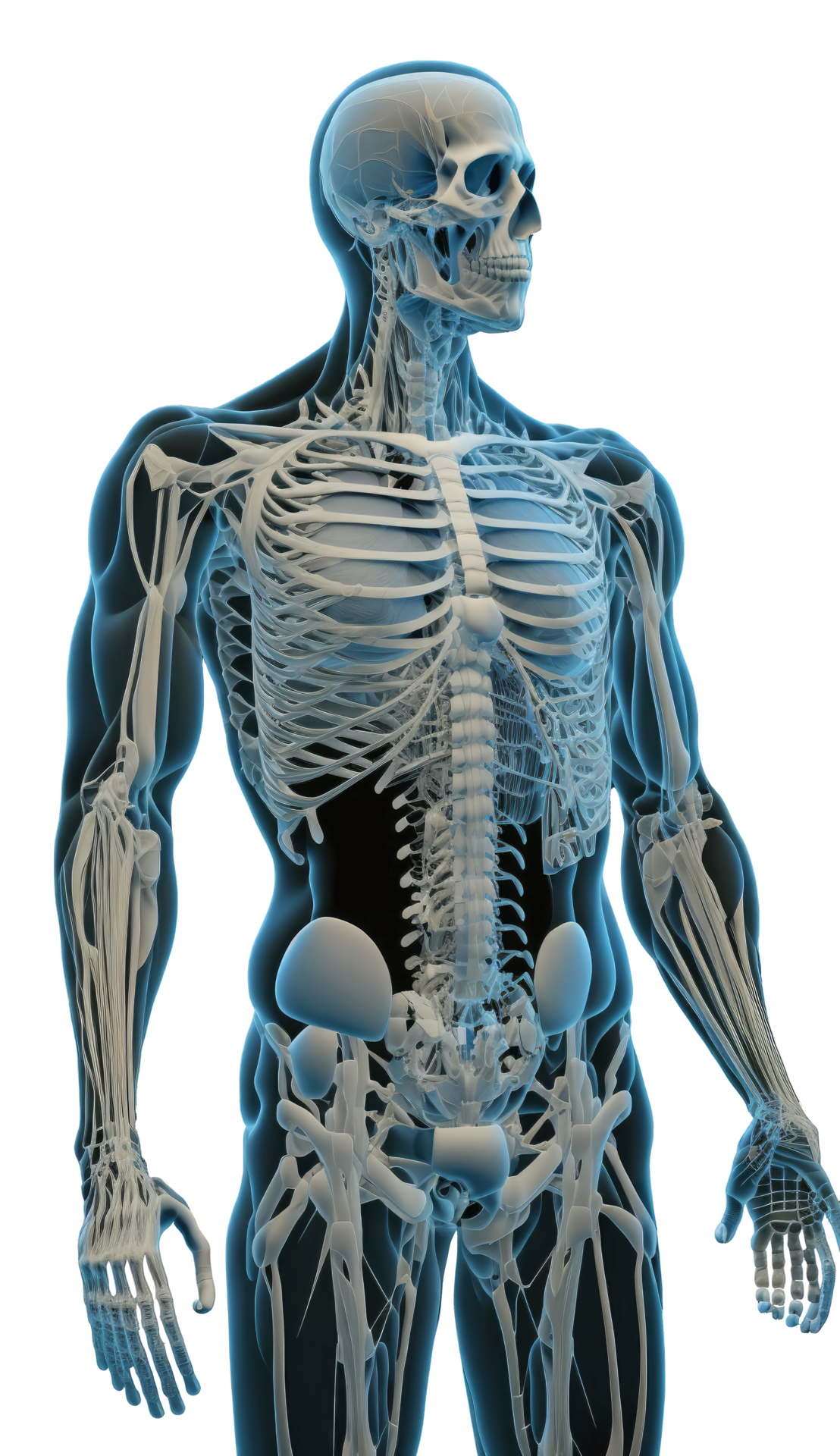
The human body functions as a remarkably coordinated biological machine made up of trillions of cells organized into tissues, organs, and complex organ systems. Every single second, these systems communicate through chemical and electrical signals to maintain a stable internal state known as homeostasis. When you understand how these structures operate together, you gain insight into physical health, energy regulation, and how lifestyle choices impact daily longevity.
At its core, understanding the human body requires looking past individual organs and examining how interdependent biological networks share workloads. From pumping blood across thousands of miles of blood vessels to processing sensory inputs in milliseconds, your internal architecture operates with astonishing precision. Let's examine the primary systems, cellular foundations, and regulatory mechanisms that keep you alive and moving.
The Major Systems of the Human Body
Your body divides labor across distinct organ systems. Each system specializes in a core physiological task while cooperating closely with every other network.
Circulatory and Cardiovascular Network
The cardiovascular system centers on the heart, blood vessels, and blood. It acts as the primary transport infrastructure, delivering oxygen, glucose, hormones, and immune cells to tissues while removing carbon dioxide and metabolic waste.
Your heart beats roughly 100,000 times a day, pumping about 2,000 gallons of blood through a vascular network stretching over 60,000 miles. Arteries carry oxygenated blood away from the heart, while veins return oxygen-depleted blood back through the lungs and heart chambers.
Nervous System Control and Communication
The nervous system serves as the command center, split into the central nervous system (brain and spinal cord) and the peripheral nervous system (nerves branching outward). Neurons transmit electrical impulses across synapses at speeds up to 250 miles per hour.
This network processes sensory input, triggers muscle contractions, regulates involuntary functions like heart rate, and houses cognitive faculties such as memory and decision-making.
Respiratory Gas Exchange
Respiration involves the nasal passages, trachea, bronchi, and lungs. Inside the lungs, millions of microscopic air sacs called alveoli facilitate the passive diffusion of oxygen into the bloodstream while releasing carbon dioxide from cellular metabolism.
This continuous gas exchange happens roughly 12 to 20 times per minute in a resting adult.
Digestive and Metabolic Processing
The gastrointestinal tract breaks down consumed food into absorbable macronutrients, vitamins, and minerals. Starting in the mouth and passing through the stomach, small intestine, and large intestine, digestive enzymes and stomach acids dissolve food matter.
The small intestine handles most nutrient absorption into the bloodstream, while the liver processes these nutrients, neutralizes toxins, and manages energy storage.
The Structural Framework: Skeletal and Muscular Systems
Movement and structural integrity rely on a tight partnership between rigid bones and contractile tissues. Without this mechanical foundation, upright posture and physical locomotion would be impossible.
Skeletal Architecture
An adult human skeleton contains 206 bones, though babies are born with around 270 that fuse together during growth. The skeleton provides mechanical protection for vital organs—like the skull shielding the brain and the ribcage protecting the heart and lungs—while serving as a major reservoir for minerals like calcium and phosphorus.
Bone tissue is living and dynamic, constantly remodeling itself in response to physical stress and nutritional availability.
Muscular Mechanics
Over 600 skeletal muscles attach to bones via tendons, pulling on joints to create movement. Muscles can only contract, meaning they operate in antagonistic pairs; as one muscle shortens, its counterpart lengthens.
Beyond movement, muscle tissue generates heat to maintain core body temperature and supports venous blood return by compressing blood vessels during contraction.
Regulatory and Defense Mechanisms
Maintaining internal stability requires constant monitoring and defense against external pathogens and chemical imbalances.
Immune and Lymphatic Defense
The immune system comprises white blood cells, antibodies, the spleen, and the lymphatic network. It patrols tissues to identify foreign invaders like bacteria, viruses, and mutated cells.
The lymphatic system drains excess fluid from interstitial spaces, filters it through lymph nodes to trap pathogens, and returns cleansed fluid to the bloodstream.
Endocrine Hormonal Signaling
The endocrine system uses glands—including the pituitary, thyroid, adrenal glands, and pancreas—to secrete hormones directly into the bloodstream. These chemical messengers travel to target organs to regulate long-term processes such as growth, metabolism, sleep cycles, and reproductive development.
Common Misconceptions About Human Physiology
People often hold inaccurate beliefs about how their bodies operate. Clearing these up helps you make better health choices.
- You only use ten percent of your brain: Neuroimaging shows that nearly all areas of the brain are active throughout the day, even during sleep. Different regions handle specific tasks concurrently rather than sitting dormant.
- Drinking eight glasses of water is a strict medical rule: Hydration needs vary wildly based on body size, climate, diet, and activity level. You get significant hydration from the food you eat, and thirst remains a reliable indicator for most healthy individuals.
- Hair and fingernails continue growing after death: Dehydration causes the surrounding skin to retract and dry out, creating the optical illusion that nails and hair have grown longer.
Frequently Asked Questions
How many bones are in the human body?
An adult human has 206 distinct bones. Infants are born with around 270 bones, many of which fuse together during childhood and adolescence, such as the plates of the skull and the bones of the sacrum.
What is the largest organ in the human body?
The skin, part of the integumentary system, is the largest organ by surface area and weight. In an average adult, it covers about 20 square feet and accounts for roughly 16 percent of total body weight.
How does the body maintain a constant internal temperature?
The hypothalamus in the brain acts as the body's thermostat. If you overheat, blood vessels near the skin dilate to release heat, and sweat glands activate to cool you through evaporation. If you get cold, muscles trigger shivering to generate metabolic heat, and peripheral blood vessels constrict to preserve core warmth.
How long does it take for the human body to replace all its cells?
Cell turnover rates vary dramatically depending on the tissue type. Stomach lining cells regenerate every few days due to harsh acids, red blood cells live for about 120 days, and skeletal muscle cells can last for years. While a popular myth claims every cell in your body replaces itself every seven years, different tissues operate on entirely separate timelines.
Learn more about human biology and health metrics through the National Institutes of Health or review anatomical standards at MedlinePlus.



