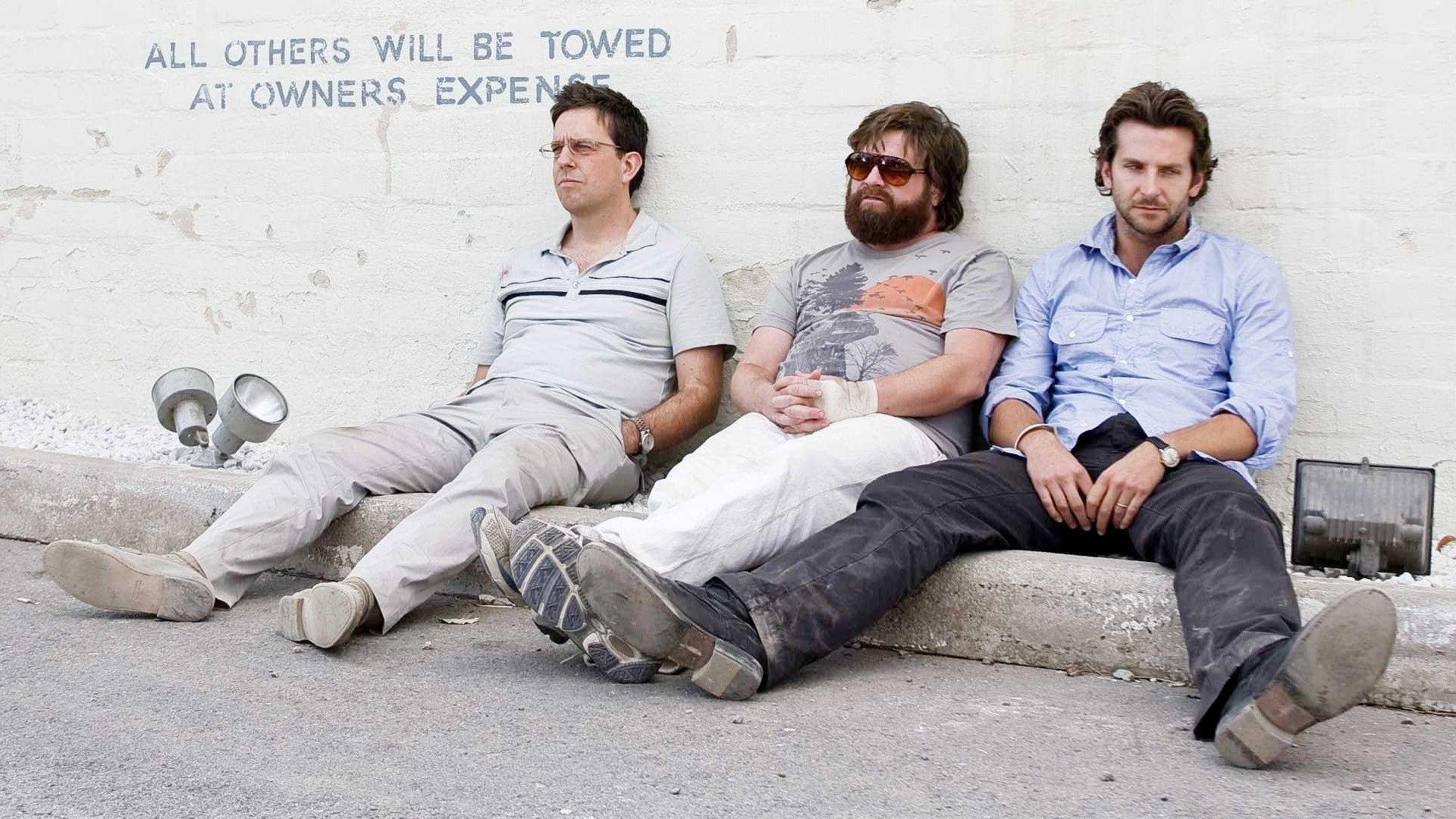
When Warner Bros. released The Hangover in June 2009, Hollywood didn't expect a mid-budget R-rated comedy with zero traditional movie stars to rewrite box office history. Directed by Todd Phillips, the film followed a bachelor party in Las Vegas gone disastrously wrong, grossing over $468 million worldwide against a modest $35 million budget. At the core of that phenomenon was an ensemble cast that turned career-risking chaos into iconic cinematic chemistry: Bradley Cooper, Ed Helms, Zach Galifianakis, and Justin Bartha.
Understanding how this quartet clicked requires looking beyond the box office receipts. Their performances launched multi-billion-dollar individual careers, revitalized the adult comedy genre, and created a dynamic that fans still analyze over a decade later.
The Casting Gamble and Character Dynamics
To make the premise work—three desperate friends trying to retrace a blackout night to find a missing groom—Phillips needed actors who could balance absolute absurdity with grounded human panic. The casting process relied heavily on finding complementary comedic styles rather than bankable box office names.
Justin Bartha played Doug Billings, the anchoring catalyst whose impending wedding sets off the plot. While Doug spends most of the first film missing, Bartha's brief screen time provides the vital emotional stakes for the group. Without his grounded presence, the outrageous actions of his friends would feel weightless.
Balancing Doug's absence were three distinct comedic archetypes:
- Bradley Cooper as Phil Wenneck: The cynical, charismatic ringleader. Cooper brought alpha-male swagger mixed with underlying desperation, anchoring the group's forward momentum.
- Ed Helms as Stu Price: The anxious, high-strung dentist. Helms weaponized his background in musical improv to project pathetic panic, creating unforgettable moments like pulling out his own tooth.
- Zach Galifianakis as Alan Garner: The socially inept, boundary-free oddball. Galifianakis injected surreal, unpredictable improvisations that kept both his castmates and audiences off-balance.
Building On-Set Chemistry
The success of The Hangover hinged entirely on whether audiences believed these four men had an authentic friendship history. Behind the scenes, the actors formed a genuine camaraderie that translated directly onto film. Because many of the supporting cast members were relatively unknown on the major studio circuit at the time, there was an absence of competing ego dynamics on set.
Improvisation played a massive role in shaping the final cut. Todd Phillips famously allowed the actors room to experiment between takes, particularly with Galifianakis. Many of Alan's most absurd lines and physical choices weren't scripted, forcing authentic reactions of bewilderment from Cooper and Helms. That friction—between Phil's slick control, Stu's spiraling anxiety, and Alan's total detachment from reality—generated the comedic tension that carried the film.
The Career Aftershocks
The cultural impact of The Hangover is best measured by how permanently it altered the trajectories of its leads. Before 2009, each actor occupied a very different tier in the entertainment industry.
Bradley Cooper transitioned swiftly from television supporting roles and romantic comedy sidekick parts into a bona fide A-list leading man and powerhouse director. He earned Academy Award nominations for dramatic heavy-hitters like Silver Linings Playbook, American Sniper, and A Star Is Born, proving that his charisma extended far beyond Las Vegas hotel suites.
Ed Helms parlayed his success into a prominent run as Andy Bernard on NBC's The Office, alongside leading roles in comedies like Vacation and Cedar Rapids. Zach Galifianakis cemented his status as a counter-culture comedy icon, launching his deadpan interview web series Between Two Ferns and starring in critically acclaimed television like FX's Baskets. Meanwhile, Justin Bartha continued a steady career across stage, film, and television, including major arcs on dramas like The Good Fight.
Why the Wolfpack Endures
The franchise's sequels—The Hangover Part II (2011) and The Hangover Part III (2013)—pushed the narrative boundaries further, grossing a combined total that pushed the trilogy past $1.4 billion globally. While critics debated whether the sequels matched the original's surprise factor, audience loyalty to the core characters never wavered.
The enduring appeal of the Wolfpack lies in wish-fulfillment mixed with cautionary warning. Every friend group recognizes elements of Phil's swagger, Stu's neurotic over-caution, and Alan's unfiltered weirdness. They represent the chaotic side of male friendship—flawed, codependent, and fiercely loyal when crisis strikes.
Frequently Asked Questions
Was Bradley Cooper the first choice for Phil Wenneck?
No. Paul Rudd was originally considered for the role of Phil, while other actors like Thomas Haden Church and Jack Black were looked at for different parts before the final ensemble fell into place.
Did Zach Galifianakis improvise his lines in The Hangover?
Yes. Director Todd Phillips encouraged heavy improvisation, particularly with Galifianakis, who came from an alternative stand-up and sketch background. Many of Alan's most iconic non-sequiturs were unscripted.
How much did The Hangover gross worldwide?
The first film grossed over $468 million worldwide against a production budget of $35 million, making it one of the most profitable R-rated comedies in cinema history at the time.
Why didn't Justin Bartha appear much in the sequels?
His character, Doug, served as the primary plot device in both the first and third films—getting lost or kidnapped—which naturally limited his screen time during the middle sections of the narratives where the trio chased clues.



