The cultural phenomenon of Hamilton didn't happen by accident, nor was its distinct sound born entirely on paper. When Lin-Manuel Miranda set out to fuse hip-hop cadence with the political history of the United States, the ultimate success of the production depended entirely on the original Broadway company. These performers didn't just recite lines written by a playwright; they actively shaped how the Founding Fathers found their voice on stage.
Through rapid-fire rap battles, jazz-infused cabinet meetings, and R&B laments, the original cast redefined 18th-century statesmen as vibrant, flawed, and deeply human figures. Understanding how this ensemble brought revolutionary history to life requires looking past the general hype and examining the specific artistic choices, musical mechanics, and rehearsal room dynamics that forged a modern classic.
The Casting Philosophy That Rewrote American History
Traditional historical dramas have long portrayed the architects of the American republic as distant statues carved in marble. Director Thomas Kail and creator Lin-Manuel Miranda completely dismantled this visual convention by casting actors of color to play Washington, Jefferson, Hamilton, and Burr. This decision wasn't just aesthetic; it served as a deliberate narrative device that forced modern audiences to see contemporary America reflected in its foundational roots.
For example, Daveed Diggs took on the dual persona of Marquis de Lafayette and Thomas Jefferson, bringing a hyper-articulate, lightning-fast cadence that made 18th-century political philosophy sound like golden-era rap. By matching hip-hop's linguistic density with rapid historical discourse, Diggs and his peers made dense political debates over financial assumption and neutrality feel as urgent as a modern freestyle battle.
Shaping the Narrative Through Movement and Breath
The vocal delivery in Hamilton relies heavily on syncopation and breath control. Choreographer Andy Blankenbuehler worked hand-in-hand with the actors to ensure that physical movement mirrored emotional subtext.
- The Rotational Stage: The incorporation of a double-ring turntable on the Richard Rodgers Theatre stage meant actors had to deliver emotionally raw lines while in constant motion.
- Cadence Adjustments: Miranda frequently tweaked lyrics during tech rehearsals based on how comfortably an actor could execute a specific rhythmic pattern.
- Improvisational Trust: Small ad-libs—such as Diggs' casual delivery of "France?" when returning as Jefferson—were permanently locked into the script because they enhanced character authenticity.
Vocal Architecture: How the Leads Built Their Characters
Every principal actor in the original lineup approached their historical counterpart through a distinct musical lens, creating an internal vocal dialogue that drove the plot forward.
Alexander Hamilton (Lin-Manuel Miranda)
As the engine of the narrative, Hamilton's vocal style was breathless, relentless, and structurally dense. Miranda designed Hamilton's delivery to feel like a man running out of time. His verses featured packed syllables and internal rhymes, signaling an immigrant outsider trying to outpace his own origins through sheer intellect.
Aaron Burr (Leslie Odom Jr.)
In direct opposition to Hamilton's urgency, Leslie Odom Jr. portrayed Burr with calculated restraint. Burr’s vocal style was smooth, jazz-inflected, and deliberate. Songs like "Wait for It" utilized delayed syncopation, giving the impression of a man holding his cards close to his chest while evaluating every political risk.
George Washington (Christopher Jackson)
Christopher Jackson anchored the show with a resonant, authoritative baritone. Washington's songs, such as "One Last Time," relied on gospel and traditional musical theater phrasing. Jackson portrayed Washington not as an untouchable icon, but as a weary general burdened by the immense responsibility of setting a constitutional precedent.
Behind-the-Scenes Realities of the Original Run
The path from the Public Theater workshop to Broadway was grueling. The original company operated with the intensity of an indie rock band on tour rather than a traditional Broadway ensemble.
- The Rehearsal Grind: Actors spent months workshopping lyrics that changed up until the final hours before curtain. Music director Alex Lacamoire frequently stayed up all night rewriting orchestrations to fit vocal ranges discovered during daytime blocking.
- Ensemble Integration: Performers who doubled as ensemble members carried the physical weight of scene transitions, serving as human props, bullet trajectories, and emotional Greek choruses.
For a deeper dive into the production history and theatrical mechanics, check out the Official Hamilton Musical Site or explore archival documentation via the Library of Congress.
Common Mistakes in Analyzing the Cast's Impact
Audiences and critics sometimes misinterpret how the musical's vocal styles were developed. Avoid these common analytical errors:
- Assuming it was entirely improvised: While actors added minor flourishes, the rhythmic scaffolding was meticulously structured down to the 16th note.
- Treating the historical figures as literal replicas: The musical intentionally bends timelines and softens flaws to serve dramatic pacing—a reality detailed by historians at the National Archives.
- Overlooking ensemble contributions: The primary leads received awards attention, but the show's momentum relied entirely on the physical choreography of the ensemble dancers executing the turntable staging.
Frequently Asked Questions
Did the original cast record the Broadway album all at once?
The principal cast recorded the original Broadway cast album over a few days in August 2015 at Avatar Studios in New York City, just weeks before the official Broadway opening, capturing the raw energy of the stage performances.
How much did the original actors contribute to their lyrics?
While Lin-Manuel Miranda wrote the bulk of the text, performers heavily influenced the phrasing. Miranda often adjusted cadences to fit an actor's natural vocal strengths, and select improvised lines were written directly into the final libretto.
Why was hip-hop chosen to tell this specific story?
Miranda viewed hip-hop as the ideal medium for storytelling because rap allows artists to pack more words into a single measure than traditional musical theater styles, making it uniquely suited for conveying complex political arguments and biographical depth.
Where can I watch the original Broadway cast performance?
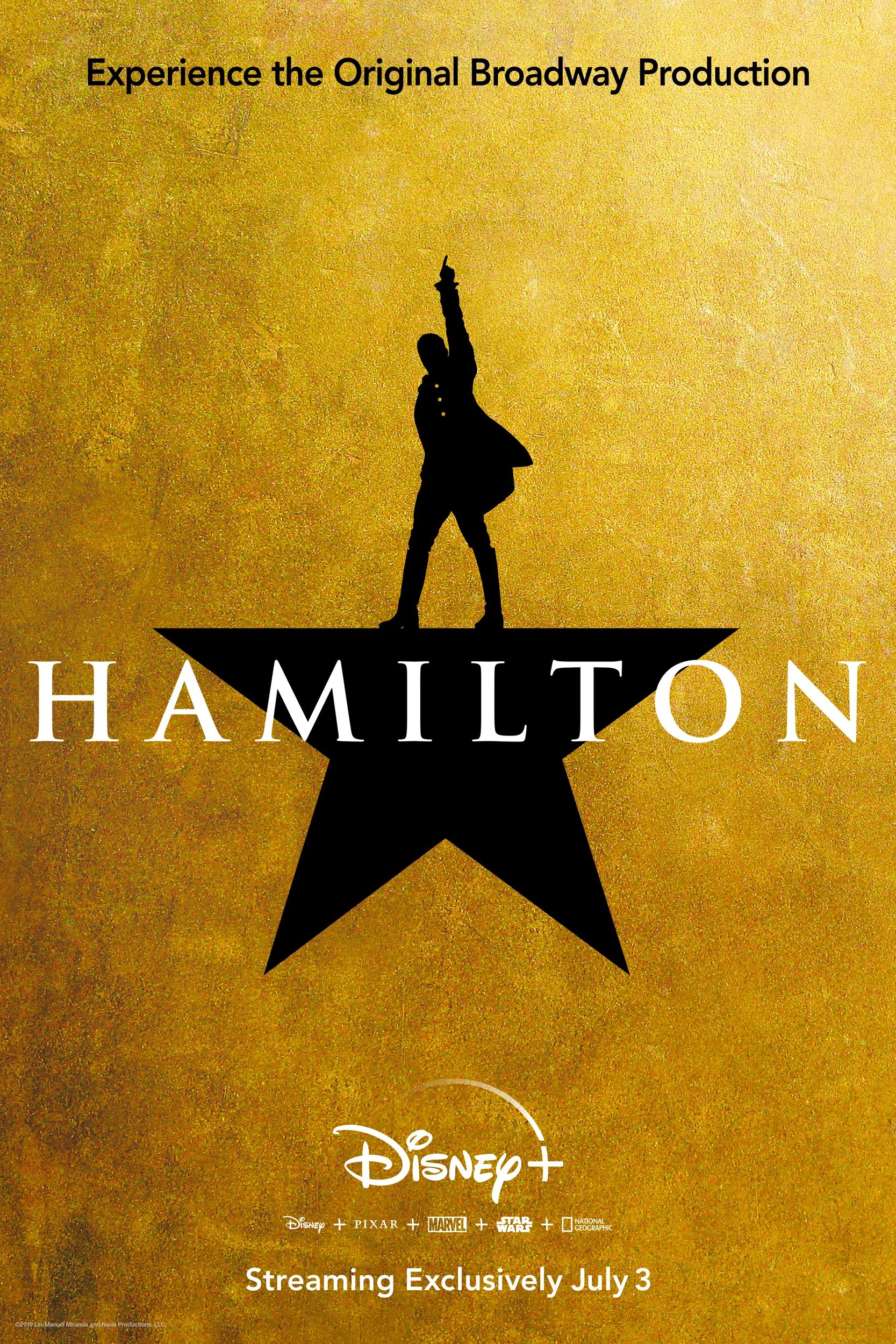
A live-stage capture featuring the entire principal original Broadway cast was filmed at the Richard Rodgers Theatre and is available to stream on Disney+.