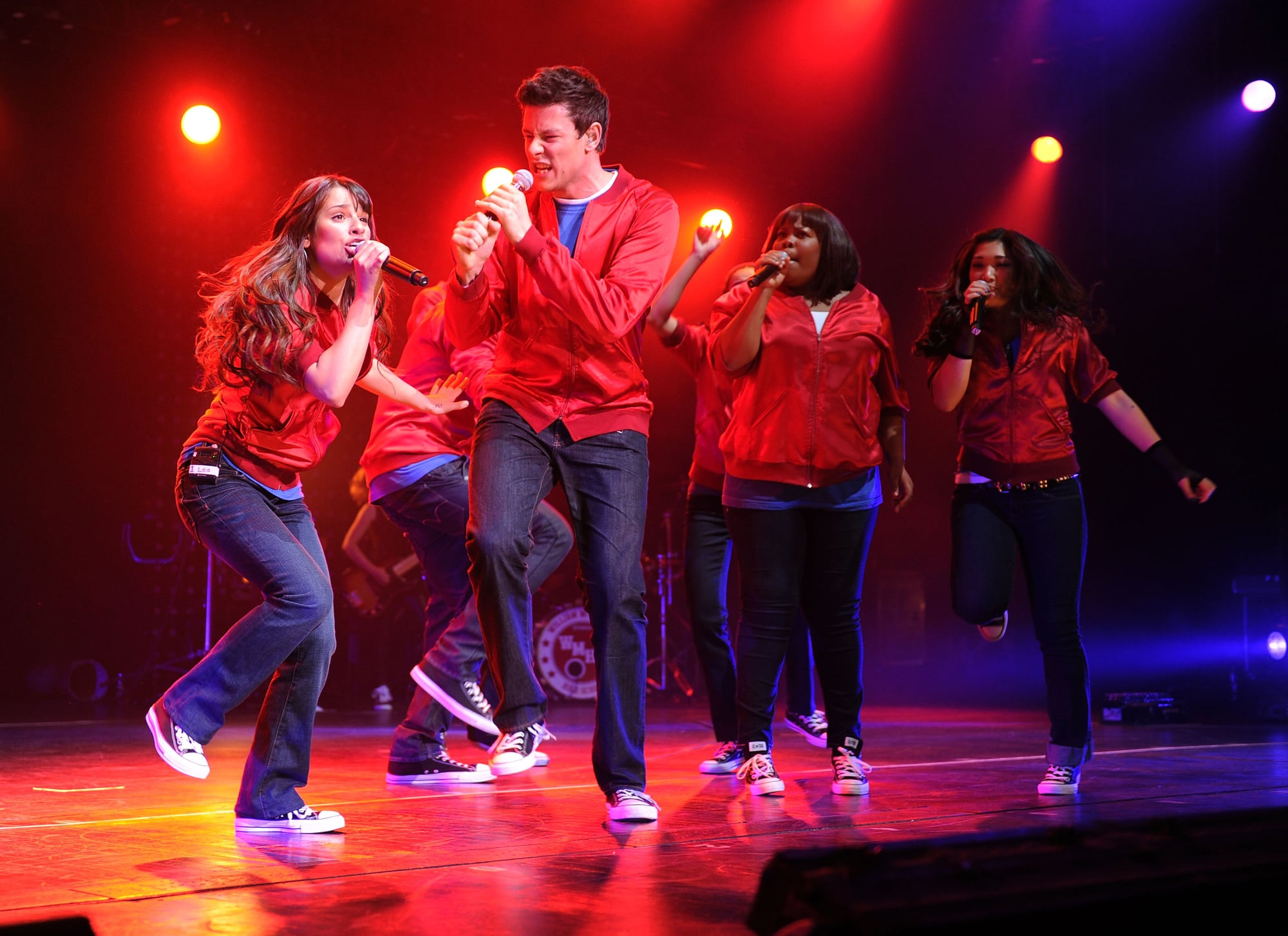
When Fox premiered Glee in 2009, television didn't know what to do with a show that mixed high school satire, melodrama, and full-scale musical numbers into a single weekly hour. At the center of that chaotic experiment was the glee cast, an ensemble of young actors who carried a massive cultural shift on their shoulders. They didn't just sing chart-topping covers; they became symbols for millions of viewers who had never seen themselves represented on network television before.
The ensemble changed the television landscape by proving that character-driven musical comedies could tackle heavy social issues without losing mainstream appeal. From LGBTQ+ visibility to disability advocacy and mental health struggles, the actors brought a raw vulnerability to their roles that turned weekly episodes into cultural events. This impact wasn't accidental. The casting department pulled together theater veterans, fresh faces, and powerhouse vocalists who created an authentic chemistry that kept audiences hooked for six seasons.
The Roots of Representation: Beyond the Musical Numbers
Before Glee, high school dramas often relegated quirky or marginalized characters to background punchlines. The series flipped that script by placing outsiders at the very center of the narrative. Every member of the choir room carried distinct struggles that mirrored real adolescent hurdles, making the performances resonate far beyond the screen.
Viewers saw storylines dealing with coming out, bullying, body dysmorphia, and socioeconomic pressure handled with varying degrees of nuance. The cast committed entirely to these arcs, whether they were belting out pop anthems in the choir room or navigating painful hallway confrontations. That commitment established a new benchmark for teen television, showing networks that audiences craved emotional depth alongside entertainment.
- Mainstream Inclusivity: The show brought LGBTQ+ teen relationships into living rooms across America during a critical era for marriage equality and social acceptance.
- The Power of the Underdog: By focusing on characters who didn't fit in, the series normalized vulnerability and self-acceptance for a generation of teenagers.
- Vocal Authenticity: The actors recorded vocals extensively, ensuring that the musical numbers felt tied directly to the emotional stakes of the episodes.
Behind the Music: How the Ensemble Built a Global Brand
The cultural footprint of the series expanded rapidly through digital downloads, physical albums, and international tours. Before streaming dominated the industry, the ensemble landed more Billboard Hot 100 entries than any other act in history at the time—surpassing even major musical icons.
This crossover success transformed the actors into global ambassadors. They performed live arena tours across North America, Europe, and Australia, translating their on-screen chemistry into live concert experiences. The cast's vocal talent bridged the gap between television and the mainstream music industry, allowing show tunes and classic pop covers to dominate mainstream radio playlists.
Public appearances and fan conventions fostered an intense community loyalty. Viewers didn't just watch the show; they formed fan clubs, organized charity drives, and debated character arcs online. This digital engagement helped lay the groundwork for modern fandom culture, where audience participation directly influences a show's ongoing cultural relevance.
Navigating Tragedy and Triumph: The Human Side of Stardom
The immense success of the series brought intense public scrutiny for the young ensemble. Sudden global fame placed the actors under an unforgiving spotlight, testing their resilience as they navigated the pressures of a runaway hit.
The cast faced profound personal trials throughout and after the series run, including the tragic passing of core cast members like Cory Monteith and Mark Salling. These real-world heartbreaks tested the bond of the ensemble and cast a sober light on the dark side of early-2010s child and teen stardom. Despite these hardships, surviving members often used their platforms to advocate for mental health awareness, substance abuse recovery, and arts education in public schools.
Their post-show careers varied wildly, with some cast members transitioning to Broadway stages, television dramas, and independent films, while others stepped back from the spotlight entirely. Yet, their collective contribution to television history remains etched in pop culture memory.
Frequently Asked Questions
Did the actors actually sing all the songs on the show?
Yes. The core cast members recorded their own vocals for the musical numbers in professional studios prior to filming, though studio engineers blended tracks to balance different vocal ranges and harmonize the ensemble pieces.
Why did the show resonate so strongly with teenagers at the time?
The series arrived during a pivotal period for social media and internet fandoms. It offered a safe space and relatable archetypes for young people dealing with identity, bullying, and finding their community during formative years.
How many Billboard hits did the ensemble achieve?
During its run, the cast charted over 200 songs on the Billboard Hot 100, breaking records previously held by artists like The Beatles for the most charted entries by a single musical act.
What lasting influence did the series leave on modern television?
It proved that serialized network television could successfully blend genres—combining scripted drama, comedy, and musical performance—paving the way for later musical and high-concept teen shows on platforms like Netflix and other streaming services.


