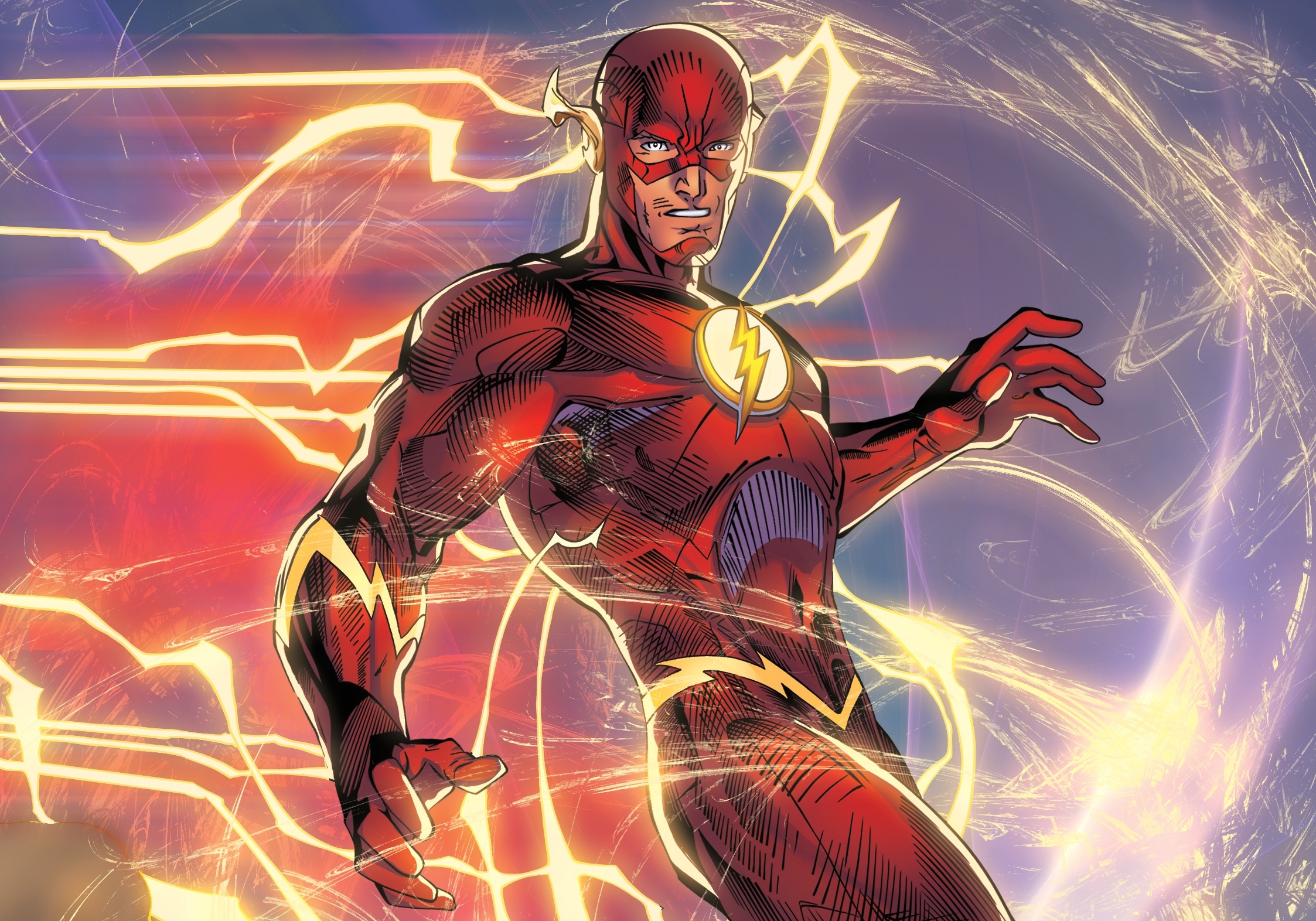
When The Flash debuted on The CW in 2014, comic book adaptations on television were entering a fragile experimental phase. Following the grounded, gritty path laid by Arrow, network executives needed a series that could embrace the bright, science-fiction heavy, and inherently whimsical mythology of DC Comics without alienating mainstream viewers. They found that answer not just in visual effects, but in a carefully assembled cast. Led by Grant Gustin, the ensemble turned a modest superhero procedural into a defining cultural touchstone of the 2010s television landscape.
The primary search intent behind exploring this ensemble is understanding how the chemistry, character dynamics, and casting choices elevated a standard network procedural into a nine-season powerhouse. Audiences want to know how individual performances built the emotional core of the Arrowverse, why certain character iterations resonated so deeply, and how the supporting players kept a high-concept sci-fi premise grounded. This analysis dives past surface-level trivia to examine the structural impact of the main cast on modern comic book television.
The Foundation: Grant Gustin as Barry Allen
Every successful long-running genre show requires a dependable anchor, and Grant Gustin's portrayal of Barry Allen redefined how live-action speedsters are brought to screen. Before landing the role, Gustin brought theatrical warmth and earnest vulnerability to his acting, traits that separated his Barry Allen from the brooding, cynical archetypes dominating superhero media at the time.
Instead of playing Barry as an untouchable god, Gustin leaned into his humanity. His depiction captured a forensic scientist who was frequently late, emotionally transparent, and deeply driven by the childhood trauma of losing his mother. This emotional transparency became the narrative engine of the entire series. When Barry ran, viewers weren't just watching CGI lightning; they were watching a man desperately trying to outrun his past. For another look on this story, refer to the recent update from Reuters.
- The Everyman Approach: Gustin avoided stoic toughness, making Barry relatable to viewers who didn't read comic books.
- Physicality and Timing: Portraying a speedster required intense invisible acting, reacting to cues that wouldn't be filled in by visual effects until months later.
- Crossover Versatility: Gustin's natural chemistry with Stephen Amell and Melissa Benoist made him the structural glue of the entire multi-show Arrowverse.
The Heart of S.T.A.R. Labs: Ensemble Dynamics and Chemistry
A hero is only as good as their support system, and The Flash revolutionized the "guy in the chair" trope by turning S.T.A.R. Labs into a bustling surrogate family. The early seasons relied heavily on the intellectual and emotional friction between Barry, Cisco Ramon (Carlos Valdes), and Caitlin Snow (Danielle Panabaker).
Valdes injected hyper-energetic pop culture fluency and engineering genius into Cisco, giving the show its distinct comedic voice and inventing the iconic monikers for Central City's rogues. Meanwhile, Panabaker provided steady medical and scientific grounding that gradually evolved into rich, complex character arcs involving metahuman transformations.
The addition of Tom Cavanagh as various iterations of Harrison Wells introduced an ongoing narrative puzzle box. Whether playing the manipulative Eobard Thawne, the gruff Earth-2 refugee "Harry", or the eccentric Sherloque, Cavanagh proved that a single actor could anchor multiple distinct roles across seasons without losing the audience's investment.
Grounding the Mythos: Iris West and Joe West
While S.T.A.R. Labs provided the laboratory spectacles, the human stakes of the series lived firmly within the West family. Candice Patton brought fierce journalistic integrity and emotional resilience to Iris West, steering her character far away from the traditional damsel-in-distress tropes common in early comic book adaptations. Iris evolved from a local blogger into the literal co-leader of Team Flash, managing strategy and moral clarity from mission control.
Pairing Patton with Jesse L. Martin as Detective Joe West created the emotional bedrock of the show. Martin infused every scene with a world-weary paternal warmth that kept the show's wild time-travel and multiversal plotlines anchored in believable family drama. Without Joe West's quiet wisdom, the show's high-concept science fiction would have risked spinning out of control.
Expanding the Canvas: Villains and Mentors
The longevity of the series depended on the constant rotation of compelling antagonists and mentors who tested the ensemble. Tom Felton's turn as Julian Albert brought skeptical friction to the forensic lab, while Keiynan Lonsdale's Wally West expanded the speedster mythology to a younger demographic.
On the villain side, actors like Matt Letscher and Cavanagh weaponized the Reverse-Flash legacy, creating a deeply personal psychological rivalry that lasted across the entire series run. These performances ensured that the stakes always felt intimate, no matter how large the cosmic threats became.
Common Pitfalls in Adapting Ensemble Superhero Casts
Network television adaptations frequently struggle with ensemble bloat, and The Flash was not entirely immune to these growing pains. Understanding where the series faced friction offers valuable lessons for modern showrunners:
- Overcrowded Field Teams: In later seasons, the S.T.A.R. Labs bullpen grew too large, leaving secondary heroes with fragmented storylines.
- Power Scaling Issues: When an ensemble features multiple metahumans and speedsters, writing logical physical threats for the primary hero becomes mathematically difficult.
- Repetitive Emotional Loops: Relying too heavily on secrets between close team members occasionally strained credibility during mid-season stretches.
Despite these hurdles, the core ensemble chemistry remained resilient enough to carry the narrative through nine distinct seasons, a rare longevity feat for modern comic book television.
Frequently Asked Questions
Why did original cast members like Carlos Valdes leave the show?
Carlos Valdes (Cisco Ramon) and several other original cast members departed ahead of the final seasons to pursue new theatrical, musical, and behind-the-scenes creative opportunities after playing their characters for nearly a decade.
Did Grant Gustin actually run on set during production?
While physical sprinting took place on outdoor location shoots and treadmill setups, most high-speed sequences utilized visual effects composites where Gustin performed specialized marker choreography against green screens.
How did The Flash cast connect to the broader Arrowverse?
The cast regularly appeared in annual multi-show crossover events on The CW, anchoring storylines alongside characters from Arrow, Supergirl, and Legends of Tomorrow to establish a shared television universe.
What role did Candice Patton's character play in later seasons?
Iris West-Allen transitioned from a traditional investigative journalist at Central City Picture News to founding her own media outlet and acting as the tactical director and moral compass of Team Flash.


