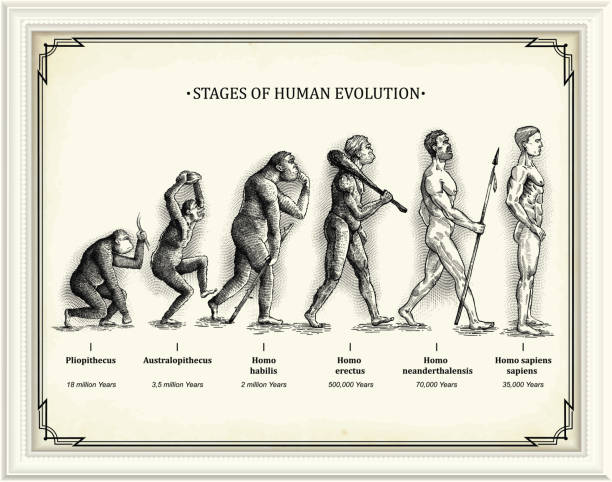
The evolution of Nintendo princesses tracks a fundamental shift in video game design. Decades ago, royal characters in titles like Super Mario Bros. served primarily as locked-away objectives. You cleared worlds just to find an empty castle and a polite note. Today, those same figures drive plots, wield magic, command star fleets, and step into lead protagonist roles.
This transformation wasn't accidental. As hardware capabilities expanded from pixelated sprites to cinematic 3D models, developers stopped treating royal status as a plot device and started building complex personalities. Characters like Princess Peach, Princess Zelda, and Princess Rosalina transformed from passive tokens into cultural icons who defined generations of interactive storytelling.
The 1980s: The Pixels of Captivity
When home consoles gained traction in the mid-1980s, narrative complexity took a back seat to straightforward arcade mechanics. Game loops relied on simple stakes: rescue the captured VIP to save the realm.
Princess Peach debuted in 1985 as Princess Toadstool, wearing a simple pink dress and sitting firmly in the classic damsel-in-destructure box. Across the screen, Princess Zelda endured a similar fate in Hyrule, often split into magical fragments or hidden away until Link gathered every piece of the Triforce.
- Minimalist storytelling: Technical limitations on the NES meant character traits had to be communicated through color palettes and sprites rather than dialogue.
- The reward structure: Saving the royal figure functioned as the ultimate level-clear marker, validating the player's grueling run through platforming hazards.
- Passive archetype: These early depictions established a template that shaped how players viewed authority figures in early console libraries.
The 1990s: Breaking the Mold and Expanding Rosters
The 16-bit era and the transition to handhelds introduced new dynamics. Developers wanted to populate spin-off titles and side-scrolling sequels with fresh faces, giving birth to distinct personalities that shattered the mold of the quiet monarch.
Princess Daisy arrived in 1989's Super Mario Land for the Game Boy. Trading regal stillness for athletic energy, Daisy established herself as a competitive, outspoken counterpart to Peach. Shortly after, Super Mario Bros. 2 let players control Peach directly, granting her a unique floating jump that made her one of the most practical characters to pick.
Meanwhile, the Legend of Zelda series began experimenting with alter egos. Ocarina of Time introduced Sheik, proving that royal bloodlines in Hyrule possessed tactical combat skills, martial arts training, and political cunning long before ever drawing a traditional sword.
The 2000s: Cosmic Lore and Solitary Stardom
Entering the 2000s, Nintendo moved characters out of rigid narrative boxes and into expansive, lore-heavy universes. The introduction of Princess Rosalina in 2007's Super Mario Galaxy added a melancholy depth previously unseen in the Mushroom Kingdom. As the adoptive mother of the cosmic Lumas, Rosalina carried a tragic backstory told through storybooks rather than cutscenes, mixing maternal warmth with staggering celestial power.
During this same decade, Peach stepped out of Mario's shadow entirely to anchor her own standalone adventure. Super Princess Peach flipped the script, requiring the monarch to rescue the Mario brothers using emotional states as active gameplay mechanics.
- Deeper lore: Writers incorporated optional backstory elements that gave royal characters internal motivations beyond passive survival.
- Cross-genre presence: Royal characters became permanent fixtures in sports titles, kart racers, and fighting games like Super Smash Bros., proving their viability as action-oriented combatants.
- Expanded agency: Developers deliberately crafted scenarios where players experienced events from the perspective of the throne room.
Modern Era: Autonomy and Definitive Action
Today's Nintendo catalog treats royal characters as independent actors with distinct agency. In The Legend of Zelda: Tears of the Kingdom, Zelda takes center stage through a narrative arc defined by personal sacrifice, historical stewardship, and direct historical impact.
Similarly, modern media adaptations and recent titles highlight Peach trading polite royalty for active defense of her kingdom. These depictions reflect a broader industry pivot: players no longer connect with characters who simply wait for rescue. They connect with characters who shape the world around them.
Frequently Asked Questions
Are Princess Peach and Princess Daisy related?
Official character guides and spin-off materials typically describe Peach and Daisy as close friends or cousins depending on the localizing region, though their exact familial ties remain loosely defined outside of their shared royal status.
Who was the first playable Nintendo princess?
Princess Peach became playable in Super Mario Bros. 2 (released internationally in 1988), where her unique floating ability made her a fan-favorite choice for clearing difficult gaps.
Why did Rosalina have such a dark backstory?
The developers behind Super Mario Galaxy wanted to give the cosmic guardian an emotional anchor that explained her isolation and her protective bond with the Lumas, setting her apart from the more upbeat residents of the Mushroom Kingdom.
Does Princess Zelda always require rescue?
No. Across numerous entries—such as Ocarina of Time, The Wind Waker, and Twilight Princess—Zelda actively assists the protagonist using magic, disguise, and combat skills, often operating under aliases to undermine villains directly.



