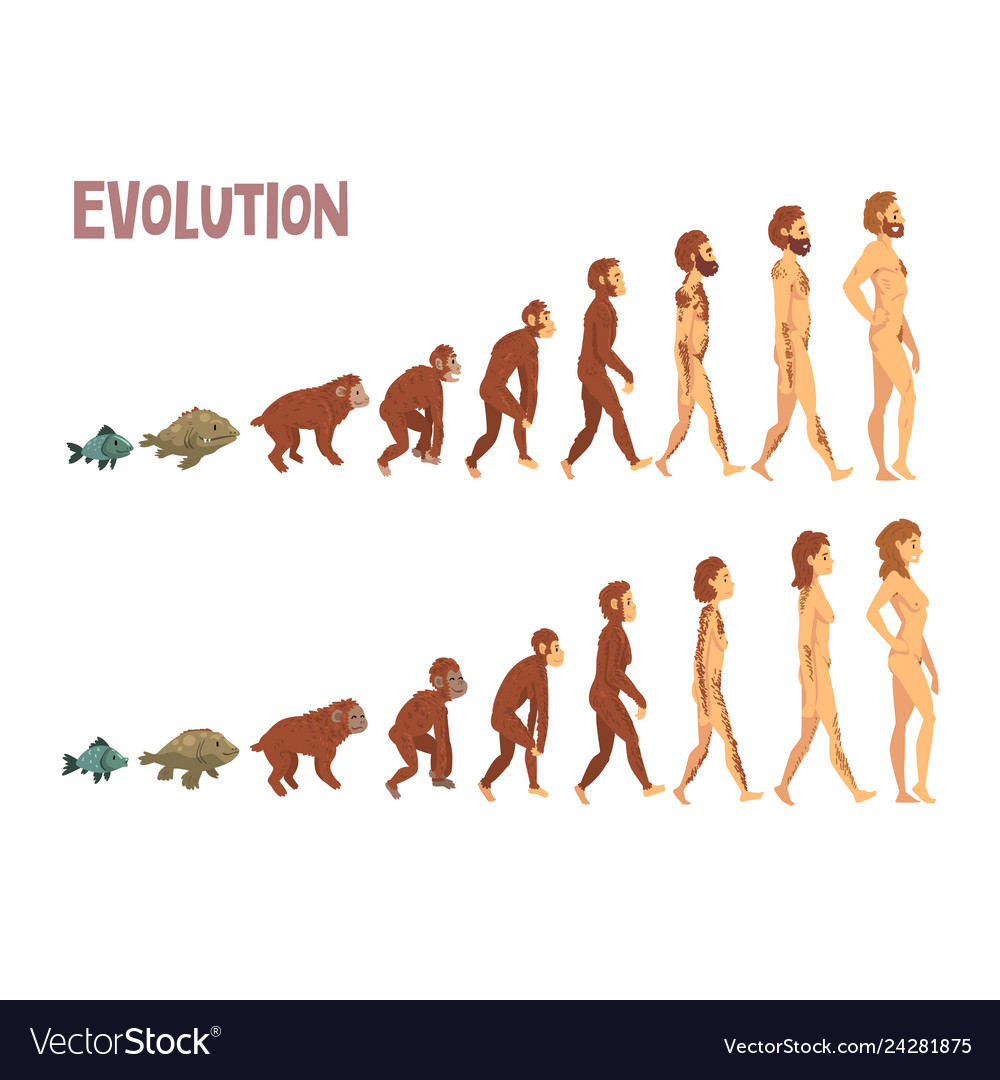
The evolution of language remains one of science's most compelling puzzles because human speech leaves no direct fossils. We cannot dig up ancient syntax or carbon-date a whispered conversation from fifty thousand years ago. Instead, we must piece together how our ancestors went from simple vocal signals to structured grammar by examining primate behavior, archaeological clues, and modern cognitive science.
Communication is older than humanity itself, but complex spoken language is a uniquely human adaptation. Without a shared system of symbols and rules, early human societies couldn't have planned hunts, shared complex tools, or passed down survival knowledge across generations. This article breaks down the leading theories of language origins, the biological shifts that made speech possible, and how modern linguists study a system that constantly changes.
The Roots of Speech: Gestures and Early Sounds
Long before humans spoke in sentences, they communicated with hands and bodies. The gestural theory suggests that physical movement paved the way for speech. Primates rely heavily on manual gestures and facial expressions to express intent, and human infants naturally point and gesture before they master complex vocabulary.
Early humans likely combined manual gestures with involuntary emotional sounds. Linguists often group these early hypotheses into descriptive categories:
- The Bow-Bow Theory: Proposes that words began as imitations of animal calls and environmental noises.
- The Pooh-Pooh Theory: Suggests that speech emerged from instinctive emotional exclamations like gasps of pain or cries of surprise.
- The Yo-He-Ho Theory: Argues that rhythmic grunts produced during heavy physical labor evolved into coordinated shared signals.
While no single sound-based theory explains the entire origin of language, these concepts show how simple associations can expand into meaningful symbols when communities reuse and refine them over generations.
Biological and Cognitive Shifts
Turning grunts into grammar required major changes in human anatomy and brain structure. Around seventy thousand to thirty thousand years ago, a major cognitive shift occurred. Brain sizes increased, and neural pathways supporting abstract thought and hierarchical planning developed.
Anatomically, the human vocal tract had to drop. Other primates possess high larynxes that restrict them from producing the wide range of vowel sounds found in human speech. As our ancestors' skulls and vocal tracts evolved, they gained the physical capacity for precise articulation.
Genetically, the FOXP2 gene mutation played a vital role. While not the sole "language gene," mutations in FOXP2 affected fine motor control of the mouth and jaw, aligning neural processing with vocal output. According to research from the Max Planck Institute for Evolutionary Anthropology, these anatomical and genetic adaptations gave modern humans the hardware required for complex vocal learning.
Competing Theories on Language Evolution
Scientists debate how social pressures shaped language. Two primary frameworks explain why humans began trusting abstract linguistic signals:
- The Mother Tongues Hypothesis: Suggests that language evolved initially for communication between mothers and offspring. Shared genetic interests created the trust needed for unreliable signals—like arbitrary words—to be accepted and refined.
- The Social Cooperation Model: Argues that early humans needed language to coordinate group activities, enforce social norms, and build alliances. Communication wasn't just about sharing facts; it was a way to build trust and negotiate status within expanding communities.
As Noam Chomsky and other linguists have noted, humans share an innate biological capacity for grammar—often called universal grammar—which allows children to acquire any native language effortlessly without formal instruction. For a deeper look at how linguistic structures form, visit Linguistics Society of America.
Common Misconceptions About Language Origins
When studying how communication evolved, people often fall into common traps. Avoid these frequent mistakes:
- Assuming animal communication is a direct precursor: Animal systems like bird song or whale calls lack recursion and open-ended combinatorial syntax. They don't evolve into human languages.
- Believing one single tribe invented speech: Language didn't start in one specific location with a single vocabulary. It likely emerged in multiple overlapping social groups as human brains developed.
- Treating ancient languages as primitive: Even the oldest documented human languages feature complex inflection systems and intricate grammar rules.
Frequently Asked Questions
Did Neanderthals have language?
Evidence suggests Neanderthals shared the genetic mutations and vocal tract adaptations required for speech. While they likely communicated with complex vocalizations and symbols, scholars debate whether their syntax matched modern human linguistic complexity.
Why do languages change over time?
Languages shift because human communities are dynamic. New technologies, cultural mixing, migration, and the natural desire for efficiency cause vocabulary and grammar to drift across generations.
Is human language entirely learned or innate?
Humans are born with an innate cognitive capacity to acquire and process grammar, but the specific language, vocabulary, and sound patterns are entirely learned from the surrounding community.
How many languages exist today?
Linguists estimate that there are currently over seven thousand distinct languages spoken across the world, though many face endangerment as global populations shift toward dominant regional tongues.



