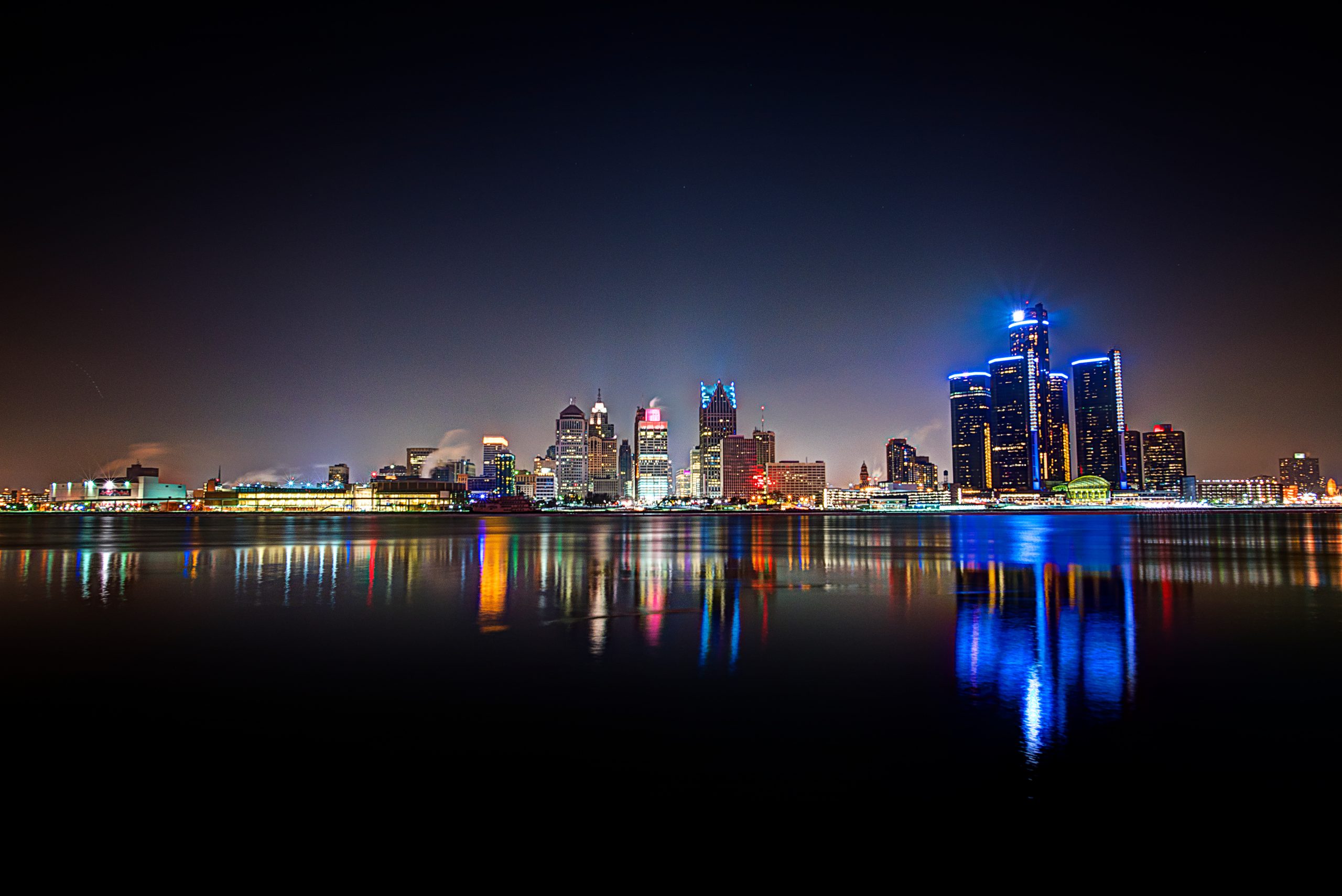
Introduction to The Detroit Cast
Long-running local audio shows often fade away when terrestrial radio contracts end. Instead of disappearing, veterans from Detroit's legendary Drew & Mike Show on WRIF shifted their creative energy straight to independent digital broadcasting. The Detroit Cast—now officially known as the TDC Podcast—grew out of a simple studio setup in a host's home to become a staple of regional independent media.
Far from a standard radio rerun, this daily long-form production merges unvarnished humor, local observations, and unfiltered commentary. Understanding how this program carved out its digital footprint requires looking at its roots in Midwest radio, its structural shift to independent streaming, and its impact on modern digital audio culture.
From Terrestrial Radio Roots to Independent Streaming
To understand the current format, you have to look at the lineage of Detroit morning shock-rock and talk radio. The sudden shifts in commercial broadcast formats left a massive void for loyal listeners who enjoyed unscripted, fast-paced banter. When the terrestrial chapter closed, the creative core decided to bypass corporate gatekeepers entirely.
Mike Wolters, alongside long-running contributors like Jay Timko and Eric Fadie, built a home studio infrastructure that mirrored the loose structure of late-morning talk radio without the corporate programming clocks or hard commercial breaks. To read more about the context of this, Associated Press offers an excellent breakdown.
- Autonomy: Complete creative control over topics, language, and interview lengths.
- Daily Consistency: Maintaining a grueling daily publishing schedule that matches traditional broadcast habits.
- Direct Audience Support: Leveraging direct-funding platforms like Patreon to sustain production costs.
This transition wasn't just a technical migration; it was a cultural pivot. Listeners who grew up tuning into FM dials in southeastern Michigan followed the team online, creating a tight-knit digital community that spanned well beyond state lines.
Content Structure and Comedy Style
The show relies heavily on an unstructured, conversational format. Episodes regularly stretch past the ninety-minute mark, giving hosts and guests room to breathe, argue, and explore tangents.
Daily News and Local Commentary
While major national headlines get picked apart, the anchor of the show remains grounded in regional quirks, Michigan politics, and neighborhood changes. This local lens gives the commentary a distinct flavor that generic national podcasts lack.
Unfiltered Guest Interviews
Comedians, local musicians, authors, and recurring eccentric personalities drop by the studio or call in. Because the hosts have decades of media experience, interviews rarely feel like standard promotional junkets. Guests tend to let their guard down, resulting in candid, humorous, and sometimes volatile exchanges.
The Evolution of the Co-Host Dynamic
Chemistry is the primary currency of long-form audio. The interplay between Wolters, Timko, and Fadie mimics a group of friends arguing at a neighborhood bar. They lean into each other's distinct personality traits, creating running gags and long-term narrative arcs that reward daily listeners.
Impact on Regional Digital Media Culture
The success of independent commentary shows in the Midwest points to a larger shift in how media is consumed outside of coastal hubs like New York and Los Angeles. Major media markets often overlook the gritty, industrial perspective of the Rust Belt.
By keeping production local and authentic, the show helped prove that regional audiences will support subscription-based and ad-supported independent audio if the hosts treat them with respect. It also provided a blueprint for other terrestrial radio personalities looking to escape corporate radio syndication constraints. You can track similar independent media transformations through archives maintained by the Library of Congress digital audio projects documenting modern broadcasting changes.
Common Misconceptions About Independent Audio Transition
Transitioning from commercial airwaves to independent streaming sounds simple on paper, but creators often run into severe operational hurdles.
- Myth: Radio fame guarantees instant digital monetization. Building a subscriber base from scratch takes years of consistent daily publishing and direct engagement.
- Myth: Home studios require broadcast-network budgets. Modern USB interfaces and dynamic microphones allow small teams to achieve professional acoustic quality without a million-dollar mixing board.
- Myth: Podcasts must be tightly edited down to 30 minutes. Dedicated fans of conversational talk formats often prefer unedited, long-form audio that feels like hanging out in real-time.
Frequently Asked Questions
Where can I listen to the TDC Podcast?
The show streams live on platforms like YouTube and Rumble, and audio versions are distributed across major directories including Apple Podcasts and Spotify.
Who are the primary hosts of the show?
The core team features veteran broadcasters Mike Wolters, Jay Timko, and Eric Fadie, frequently joined by recurring guests and contributors.
Is the show daily or weekly?
The production maintains a regular schedule, releasing new full-length episodes almost every weekday.
How does the show fund its operations?
Production is primarily supported through direct fan contributions via membership platforms like Patreon, alongside digital ad placements.