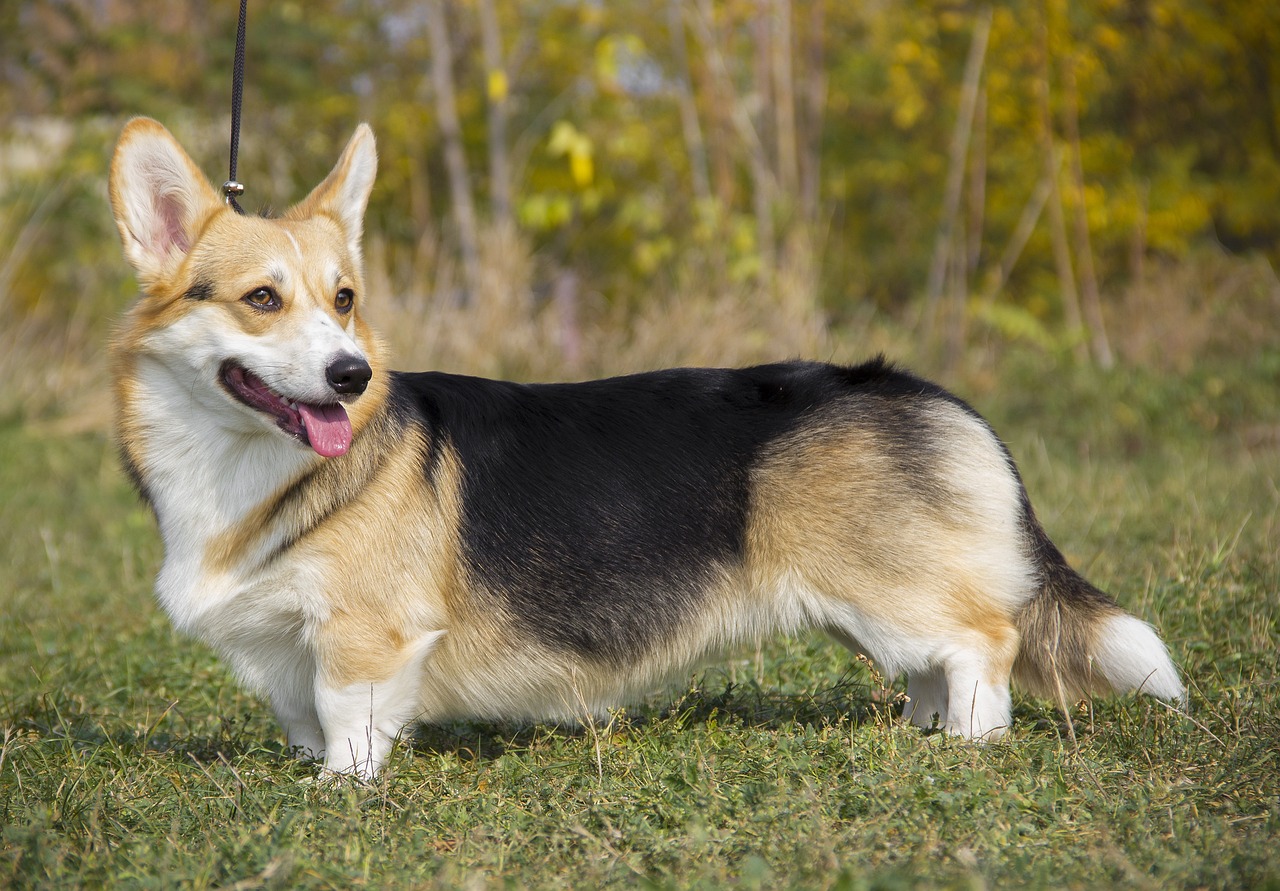
When people picture a Pembroke Welsh Corgi, they usually imagine a low-slung, sturdy little dog with a completely stubby backside. Yet, seeing a corgi with a full, flowing tail often catches new dog owners by surprise. Do they actually have tails, or is something missing? The reality is that all corgis are born with tails, but human intervention, breed standards, and specific genetics dictate whether they keep them into adulthood.
Understanding why some corgis sport long, fox-like brushes while others look naturally tailless requires unpacking breed history, the science of natural bobtails, and changing global regulations on tail docking.
The Core Distinction: Pembroke Versus Cardigan
The dog world recognizes two distinct corgi breeds: the Pembroke Welsh Corgi and the Cardigan Welsh Corgi. While they share a similar silhouette, their lineage and tail characteristics differ completely.
- Cardigan Welsh Corgi: This is the older of the two breeds. Cardigans feature a long, thick, fox-like brush of a tail that hangs low. Their breed standard has never required docking, so a Cardigan will always have a tail.
- Pembroke Welsh Corgi: This is the breed famously favored by British royalty, particularly Queen Elizabeth II. Traditionally, Pembrokes had their tails docked shortly after birth. However, Pembrokes can also be born with a genetic mutation known as a natural bobtail.
If you spot a corgi with a long tail on the street, it is either a Cardigan or an undocked Pembroke.
Why Were Corgis Docked in the First Place?
Centuries ago, working dogs performed practical jobs that dictated their physical appearance. Pembroke Welsh Corgis worked as cattle drovers in Wales, nipping at the heels of livestock to guide them across rugged terrain.
In a crowded herd of cattle, a long, wagging tail was a dangerous liability. Cows could easily step on or kick a protruding tail, causing severe injury or disabling the working dog. To protect them, farmers docked the tails of working puppies.
Over time, this functional necessity transformed into a cosmetic tradition. When dog shows emerged, kennel clubs codified these working traits into official breed standards. According to traditional American Kennel Club (AKC) guidelines, the Pembroke Welsh Corgi's tail should be docked short, ideally not exceeding two inches. This historical preference is why generations of pet owners grew up believing Pembrokes were naturally tailless.
The Genetics of the Natural Bobtail
Not every Pembroke relies on surgery to achieve a stubby look. Some Pembrokes possess a genetic trait called a natural bobtail.
This trait stems from a dominant mutation in the T-box transcription factor (T) gene. If a puppy inherits this genetic variant from even one parent, it can be born with a severely shortened tail or no tail at all. Breeders often select for this trait because it matches the traditional aesthetic without requiring surgical docking.
However, natural bobtails introduce interesting genetic probabilities:
- A puppy that inherits two copies of the bobtail gene does not survive embryonic development.
- Because of this, all living natural bobtails carry one copy of the normal gene and one copy of the mutation.
- Breeding two natural bobtails still produces a mix of puppies, including some born with full-length tails.
A Pembroke with a long tail is entirely purebred. The presence or absence of a tail has zero impact on a dog's health, intelligence, or temperament.
Global Shifts in Tail Docking Laws
Attitudes toward cosmetic tail docking have shifted dramatically across the globe. Many veterinary medical associations and animal welfare groups view the practice as unnecessary cosmetic surgery.
Countries in the United Kingdom, along with much of Europe and parts of Australia, have banned routine tail docking entirely. In these regions, showing a Pembroke Welsh Corgi with a natural, full-length tail is standard practice.
In the United States and Canada, the practice remains legal, and traditional kennel club standards in those regions still favor docked or naturally bobbed dogs. Even so, an increasing number of North American breeders now offer buyers the option to keep a puppy's tail intact if reserved early. Organizations like the American Kennel Club maintain traditional conformation guidelines, but global kennel associations are slowly adapting to modern ethical perspectives on animal anatomy.
What an Intact Corgi Tail Looks Like
When left intact, a Pembroke's tail is surprisingly expressive. Far from the subtle stub of a docked dog, an undocked Pembroke tail is often quite fluffy, featuring a plume of fur that curls up over the back when the dog is excited or alert.
Some owners describe an intact tail as resembling a furry exclamation point. It acts as an important tool for canine communication, helping the dog signal happiness, anxiety, or alertness to other animals and humans.
Frequently Asked Questions
Are all corgis born without tails?
No. Every single corgi puppy is born with a tail. Pembrokes only appear tailless because of surgical docking, a natural bobtail gene, or because they belong to the Cardigan breed, which always has a long tail.
Can a long-tailed Pembroke compete in dog shows?
It depends on the country. In countries where tail docking is illegal, long-tailed Pembrokes compete regularly and win. In countries that follow strict traditional AKC standards, an intact tail on a Pembroke is considered a fault in the show ring.
Does tail docking hurt the puppy?
Docking is typically performed when puppies are just a few days old. While breeders argue the procedure causes minimal distress, veterinary consensus notes that newborn puppies possess fully functioning nervous systems and experience pain, making modern ethical debates lean heavily against the practice.
How can you tell a Pembroke and a Cardigan apart besides the tail?
Beyond the tail difference, Cardigan Welsh Corgis are generally larger, heavier-boned, and have rounder ears. Pembrokes are slightly smaller, have sharper, more pointed ears, and often feature a straighter back profile.



