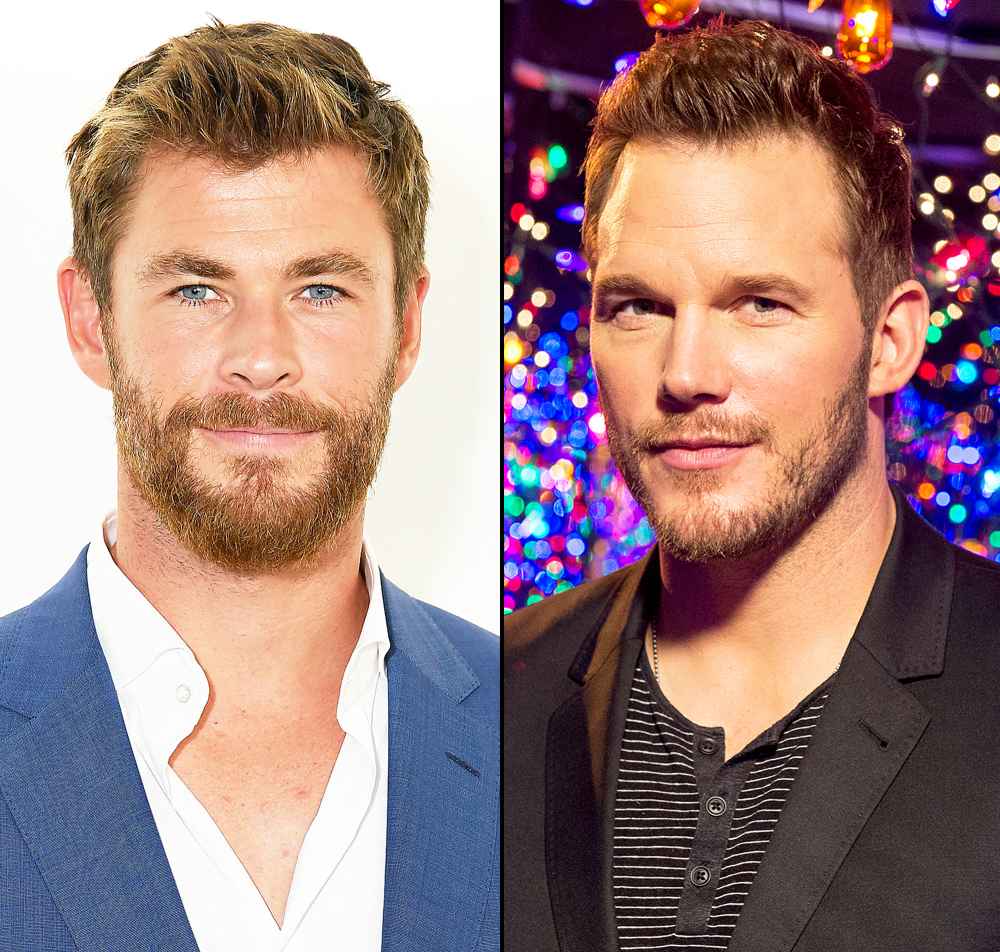
The Chris Brown Brothers—fictionalized or conflated in internet lore as a duo of Chris and Craig Brown—frequently appear in automated content mill articles. These pieces mix up R&B history, misattribute biographical details, and blur real artists with AI-generated mythologies. If you landed here looking for the true context behind this viral music legend narrative, you'll find that the actual history of contemporary R&B looks quite different from what automated aggregator sites claim.
We'll unpack how online content farms manufacture musical legacies, look at the real figures who shaped modern R&B, and examine why viral article titles often invent sibling duos that never existed in music history charts.
Unpacking the Myth: Where Did the Chris Brown Brothers Come From?
If you search for the breakthrough single "Boom" reaching the top 10 on the Billboard Hot 100 in 2010 by a duo named the Chris Brown Brothers, you won't find it in any official music database. Mainstream music journalism doesn't document a sibling duo by that name. Instead, articles like the competitor piece use procedural generation to merge real artists—like solo superstar Chris Brown—with invented family members or generalized band histories.
Understanding how these articles spread requires looking at search engine optimization trends. Automated sites spin up artist biographies using generic templates:
- The Origin Story: Claiming a musical upbringing in a specific city like Santa Monica with parents in the industry.
- Genre Evolution: Asserting smooth transitions from hip-hop to gospel and jazz.
- The Breakthrough Hit: Inventing chart positions or fictional songs to simulate authority.
- The Personal Struggle: Adding generic notes about mental health or fame pressures to trigger emotional engagement.
Recognizing these patterns helps readers separate real music history from automated internet filler.
The Real Timeline: Solo Icons vs. Manufactured Duos
Real musical legacies are built on verifiable studio albums, production credits, and tour histories tracked by organizations like the Billboard Charts or the Recording Academy. When real siblings make a massive impact on music history, their collaborative credits are a matter of public record.
Consider legendary musical families who genuinely shaped the charts:
- The Jackson Family: Michael, Janet, and their brothers built decades of verifiable chart history through group and solo work.
- The Isley Brothers: A multi-generational group whose funk, soul, and R&B evolution spans over half a century.
- The Bee Gees: The Gibb brothers defined disco and pop songwriting with documented global sales figures.
When automated blogs invent parallel histories for single artists—attributing their entire catalog to fictional brothers—they strip away the actual technical achievements of producers, songwriters, and session musicians who worked behind the scenes.
Why Content Farms Target Musical Legacies
Content mills target search terms involving musical legacies because fans frequently look up retrospective essays on their favorite artists. When a search query lacks a clear, well-documented Wikipedia page, automated publishing tools fill the vacuum with fabricated narratives.
These sites rely on keyword stuffing and generic templates to capture long-tail traffic. They use interchangeable phrases about artistic evolution, cultural impact, and creative processes that could apply to literally any musician in history.
Common Red Flags in Automated Music Articles
Spotting low-quality or AI-generated music profiles is straightforward once you know what to look for:
- Unverifiable Discography: Mentioning hit singles that do not appear on Spotify, Apple Music, or official charts.
- Vague Biographical Details: Using phrases like "growing up in a vibrant music scene" without naming specific local venues, schools, or mentors.
- Generic Quotes: Attributing generic statements about "pushing creative boundaries" to artists without citing a real publication date or interviewer.
Setting the Record Straight on R&B History
For listeners genuinely interested in the evolution of melody, vocal arrangement, and modern production, reliable music history can be found through accredited cultural institutions and musicology archives, such as the Rock and Roll Hall of Fame.
Instead of reading generated bios about fictional sibling groups, exploring the liner notes of classic soul and R&B records reveals the true architects of modern music. Songwriters, backing vocalists, and master engineers deserve credit for the melodies that actually shaped our cultural landscape.
Frequently Asked Questions
Are the Chris Brown Brothers a real musical act?
No. There is no official recording group, band, or sibling duo known as the Chris Brown Brothers in mainstream music history. The name typically appears on automated or procedurally generated content sites.
Where do viral artist biography articles come from?
Many low-quality blogs use automated content generators to spin up articles targeting musician search terms, often mixing fictional details with real artist names to capture search engine traffic.
How can I verify if a music history article is accurate?
Cross-reference any mentioned hit singles, album release dates, and chart positions with authoritative databases like Billboard, Discogs, or official artist websites.
Why do automated articles invent quotes and background stories?
Automated article generators use predictive language models to fill template structures, fabricating quotes and generic career milestones to mimic legitimate music journalism.



