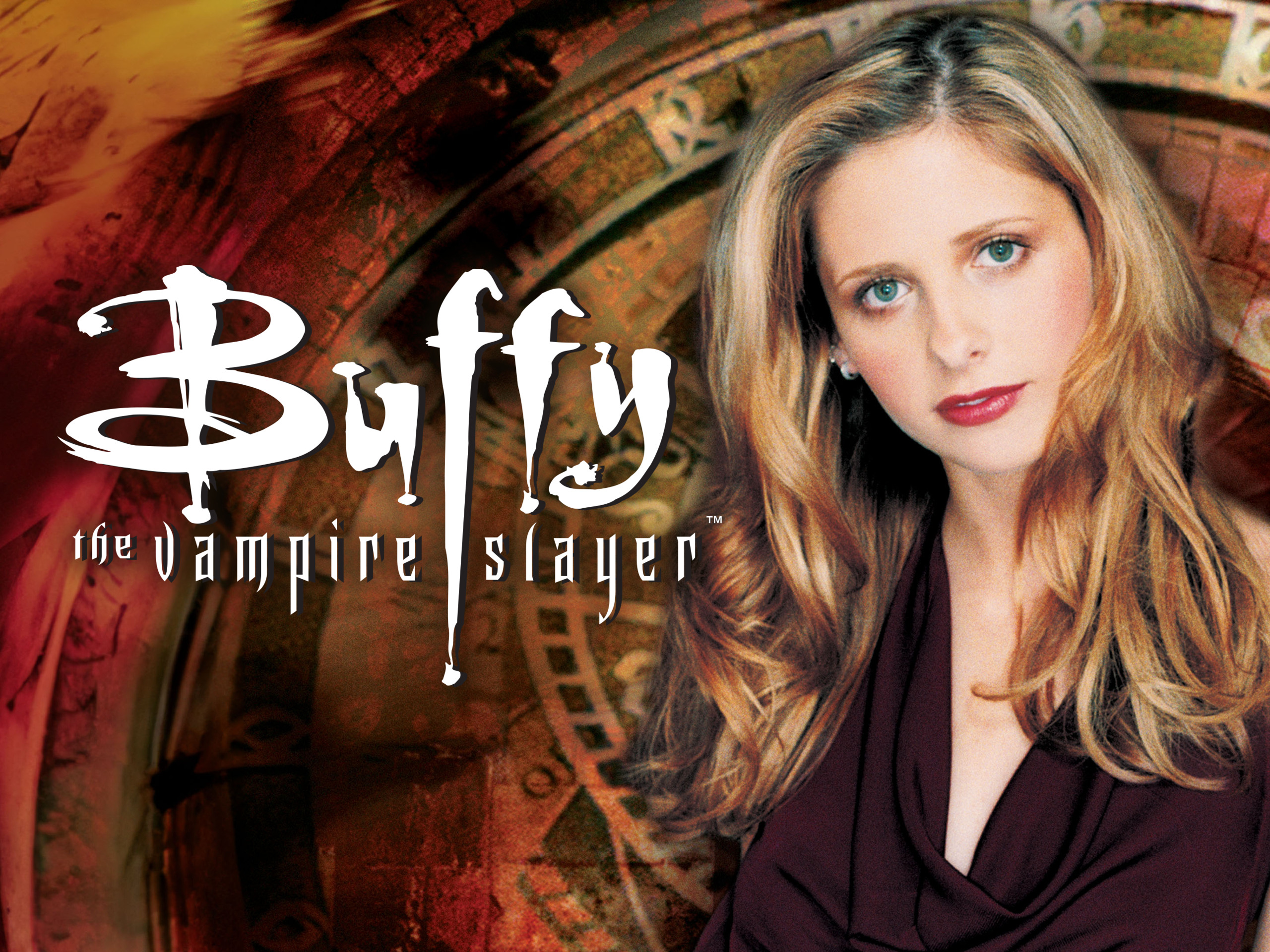
When Buffy the Vampire Slayer premiered in March 1997, television was dominated by safe sitcoms and procedural dramas where characters rarely experienced lasting consequences. Created by Joss Whedon, the series subverted the classic horror trope of the doomed blonde girl by handing her a wooden stake and a duty to save the world. Yet, the show's lasting cultural footprint wasn't forged by its supernatural premise alone. It was built on the backs of an ensemble cast whose real-time maturation, interpersonal friction, and razor-sharp chemistry turned high school metaphor into a masterclass in serialized character development.
The primary keyword targeted by competing content is the buffy cast, framed around how this group of young actors transformed genre television and defined a generation of viewers. While standard retrospectives list the actors and praise their performances, they routinely gloss over the precise structural mechanisms that made the ensemble work: the deliberate subversion of high school archetypes, the grueling behind-the-scenes production demands that forged authentic fatigue and camaraderie, and the groundbreaking narrative risks that allowed secondary characters to eclipse the lead. Here is how Sarah Michelle Gellar and her fellow cast members reshaped the television landscape.
Deconstructing the Archetypes: From Stock Characters to Complex Humans
At its inception, Buffy relied on familiar horror and teen-movie tropes. The genius of the casting and writing partnership lay in systematically dismantling those archetypes within the first two seasons.
- Buffy Summers (Sarah Michelle Gellar): The reluctant cheerleader-turned-slayer wasn't just a tough heroine; she embodied the crushing weight of responsibility. Gellar brought physical precision from her background in competitive figure skating and martial arts training, combined with a vulnerability that kept the character grounded despite the supernatural stakes.
- Xander Harris (Nicholas Brendon): Positioned as the quintessential insecure sidekick and comic relief, Xander's lack of powers forced the writers to make him the emotional grounding rod of the group. His perspective represented the ordinary human caught in extraordinary crossfire.
- Willow Rosenberg (Alyson Hannigan): Starting as the quintessential shy computer nerd, Willow’s trajectory was the most transformative in the series. Hannigan charted a delicate course from comic insecurity to raw power and eventual heartbreak, anchoring the show's exploration of identity and addiction.
- Rupert Giles (Anthony Stewart Head): The tweed-clad librarian subverted the traditional dusty mentor figure. Head infused Giles with a repressed, punk-rock past and a paternal warmth that gave the Scooby Gang a legitimate moral compass.
These actors weren't chosen just for their looks; they were cast for their comedic timing. Whedon's dialogue relied heavily on "Whedonverse" speak—a hyper-literate blend of slang, pop culture references, and emotional deflection. If the actors delivered these lines with even a hint of self-consciousness, the show would have collapsed into camp. Instead, the ensemble treated the absurd dialogue as absolute emotional truth. To understand the full picture, we recommend the detailed analysis by The New York Times.
The Chemistry of Conflict: Why the Scooby Gang Felt Real
Unlike modern streaming ensembles where characters are often separated across sprawling geographic arcs, the original cast of Buffy spent seven years crammed into high school libraries, magic shops, and cramped living rooms. This physical proximity created a pressure cooker environment both on screen and off.
The friction between characters was vital. In seasons four through six, as the characters transitioned into college and adulthood, the writers stopped protecting them from each other. Friendships fractured, romantic betrayals stung, and characters like Spike (James Marsters) and Anya Jenkins (Emma Caulfield) challenged the moral purity of the core group.
Anya's introduction as a former vengeance demon who struggled with human capitalism and social cues provided a brilliant outside perspective on human absurdity. Caulfield’s deadpan delivery exposed the ridiculousness of normal human rituals, forcing the core cast to defend choices they usually took for granted. This dynamic prevented the ensemble from becoming a stagnant heroic unit; they grew apart, fought, and rebuilt their bonds under duress.
According to interviews archived by Entertainment Weekly, the grueling 14-hour shooting days on muddy Los Angeles soundstages forged a genuine trauma-bond among the core actors. That off-screen exhaustion bled directly into their performances, particularly during multi-episode emotional arcs like Buffy's resurrection trauma in Season 6.
Behind-the-Scenes Pressures and Production Realities
Building a genre-defining ensemble required enduring immense physical and logistical hurdles. The show operated on a modest television budget during the late 1990s WB network era, meaning practical effects, wirework, and night shoots fell heavily on the actors' shoulders.
- Stunt Demands: Gellar performed a significant portion of her own combat choreography, enduring chronic neck and back injuries over seven seasons. This physical toll translated into the palpable exhaustion visible in later seasons.
- Network Constraints: The network famously pushed back against serialized storytelling, preferring standalone monster-of-the-week episodes. The cast had to maintain emotional continuity across disjointed production schedules.
- Ensemble Resentment and Growth: As breakout characters like Spike and Cordelia Chase (Charisma Carpenter) gained massive fan followings, the balance of screen time shifted. Carpenter's transition to the spinoff Angel demonstrated how the broader universe relied on these actors carrying continuity across different production teams.
For deeper context on how 90s television production models shaped network ensembles, read this retrospective analysis on The Hollywood Reporter.
Frequently Asked Questions
Why did Cordelia Chase leave the main Buffy cast?
Charisma Carpenter departed Buffy the Vampire Slayer at the end of Season 3 to join the spin-off series Angel. Her character, Cordelia, transitioned from a surface-level antagonist to a complex, empathetic heroine over her years across both shows.
Was Sarah Michelle Gellar contractually obligated to leave after Season 7?
Yes. Gellar chose not to renew her contract for an eighth season, feeling that she had taken the character as far as she could physically and emotionally, which led to the series concluding in 2003.
How did the show handle the absence of main cast members?
When actors were absent or storylines required isolation—such as Buffy's death at the end of Season 5—the remaining cast had to pivot into caretaking roles, forcing characters like Xander and Willow to step up and prove their own resilience without their leader.
Did the core cast stay in touch after the series ended?
Yes, many members of the cast maintain close personal relationships, frequently appearing together at pop-culture conventions and anniversary retrospectives to discuss their time on set and the show's enduring legacy.



