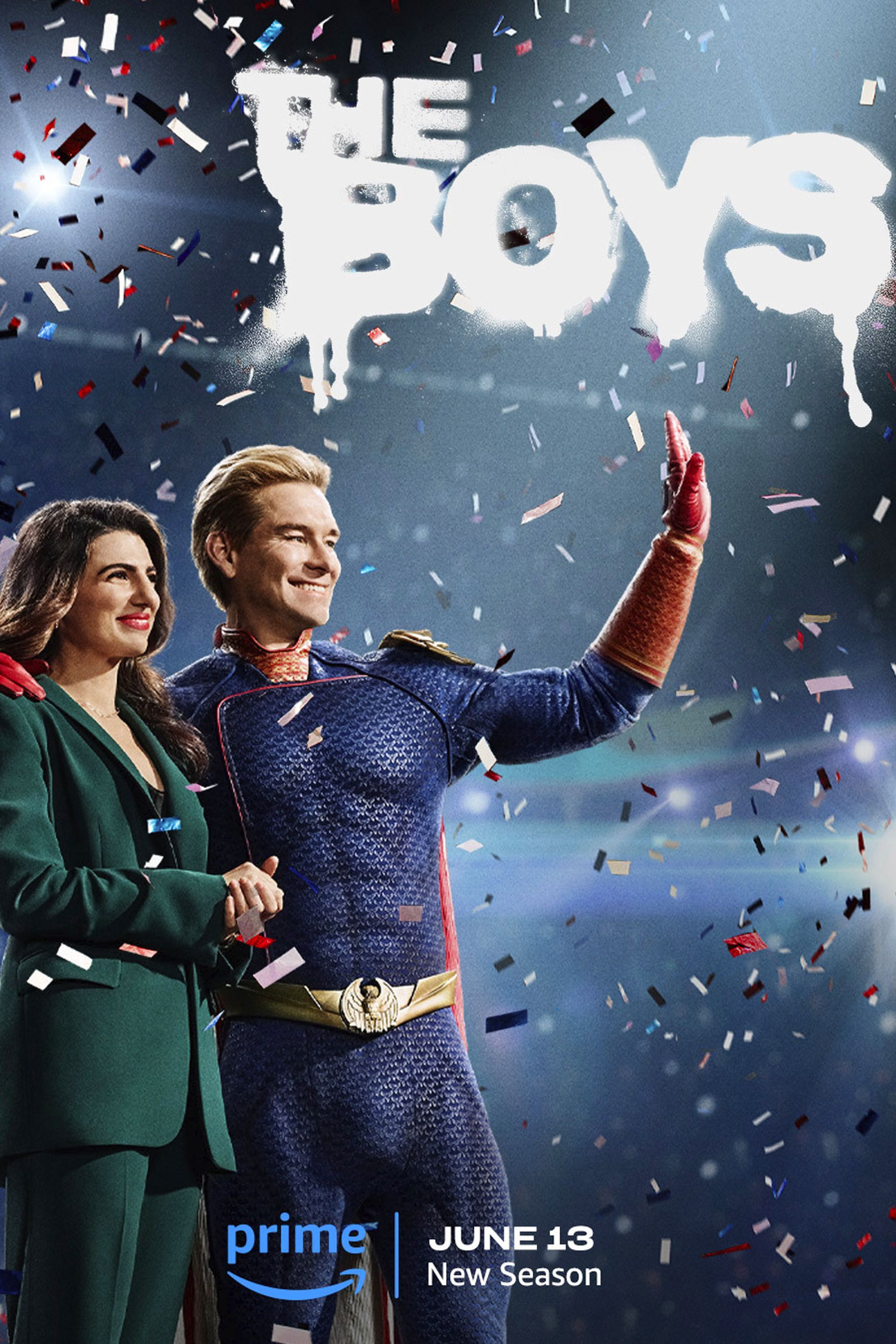
Making a cynical superhero satire requires a chaotic blend of practical effects, intense physical training, and a lot of fake blood. When Amazon Prime Video adapted Garth Ennis and Darick Robertson's comic book series, showrunner Eric Kripke and his crew didn't just build a world where Supes are corrupt celebrities; they engineered a grueling, highly technical production environment. From Antony Starr navigating the psychological weight of playing Homelander to the rigorous stunt work required for Billy Butcher, the real story of the show happens long before final CGI touches are applied.
Behind the corporate veneer of Vought International lies a massive operation involving custom suit fabrication, practical gore rigs, and tight-knit cast dynamics that contrast sharply with the on-screen hostility. Understanding how this machine operates reveals the actual mechanics behind one of streaming's most ambitious satirical projects.
Inside the Wardrobe and Practical Effects Shop
The visual identity of the series relies heavily on tangible costume design rather than digital touch-ups. Costume designer Laura Jean Shannon faced the unique challenge of making superhero suits look both functional and overly commercialized, mirroring real-world athletic endorsement gear.
Designing the Vought Brand Identity
Each suit worn by the Seven is built to reflect corporate sponsorship deals.
- Homelander's Armor: Antony Starr’s costume features heavy textured fabrics interwoven with hidden zippers, designed to restrict posture and force a rigid, authoritarian stance.
- Starlight's Evolution: Erin Moriarty's initial costume was famously restrictive and designed to objectify her character—a practical commentary on real industry standards that the costume department gradually altered as her character broke free from Vought.
- The Deep's Scales: Chace Crawford's aquatic suit required individual rubberized scales molded directly onto flexible neoprene to allow for underwater stunt sequences.
Managing the Practical Gore
Instead of relying entirely on green screens, the production team uses industrial-grade practical gore. Blood cannons, compressed air pumps, and gallons of methyl cellulose mixed with food coloring and corn syrup are standard fixtures on set. Actors routinely shoot scenes in wet, sticky environments where entire sequences must be reset from scratch. This hands-on approach forces genuine physical reactions from the cast, cutting down on synthetic performances.
Cast Dynamics and On-Set Preparation
The stark contrast between the violent rivalry of the characters and the off-camera camaraderie of the actors is well-documented by the crew. Building authentic chemistry required specific pre-production boot camps.
Physical Conditioning and Stunt Training
Before filming begins each season, the actors undergo weeks of rigorous combat training. Karl Urban works closely with stunt coordinators to master Billy Butcher’s brutal, street-fighting style, which relies on heavy use of crowbars and improvised weapons rather than clean martial arts. Meanwhile, Karen Fukuhara spends hours refining silent, highly choreographed combat sequences for her role as Kimiko, balancing precise knife work with emotional expression.
Maintaining Morale Through Extreme Material
Shooting bizarre, boundary-pushing sequences requires a lighthearted atmosphere between takes. Cast members frequently share how they break tension during heavy emotional or grotesque moments.
- Blooper reels from the production show actors corpsing over absurd prosthetic props.
- Improvised dialogue often makes it into the final cut, particularly during corporate conference room scenes at Vought tower.
- Veteran actors guide newer additions through the jarring adjustment of the show's dark humor.
The Production Workflow from Script to Screen
Bringing an episode of the series to life involves a complex pipeline managed by Amazon MGM Studios. Writing rooms operate months in advance to tie contemporary cultural satire into the overarching narrative arcs.
1. Writers Room: Script outlining and satirical punch-up
2. Pre-Visualization: Stunt choreography and digital storyboard mapping
3. Principal Photography: Location shoots in Toronto and practical stage work
4. Post-Production: Sound design, visual effects layering, and final color grading
Toronto doubles as New York City and various fictional American towns, requiring location scouts to transform ordinary Canadian streets into hyper-commercialized urban centers plastered with fictional corporate billboards.
Frequently Asked Questions
Where is the series filmed primarily?
Principal photography takes place mostly in Toronto, Ontario, which provides versatile architecture and urban layouts that easily stand in for major American metropolitan areas.
How do actors handle the heavy prosthetic and blood effects?
The makeup and special effects teams use specialized, skin-safe adhesives and quick-rinse solutions. Actors often spend hours in the makeup chair before dawn, particularly when filming sequences involving severe injuries or mutant transformations.
Are the superhero costumes comfortable to wear?
Most cast members report that the costumes are physically demanding. Materials are chosen for durability and visual texture on camera rather than comfort, often trapping heat and requiring cooling vests between takes.
How much of the action is practical versus digital?
The production favors practical stunts and physical prop manipulation whenever safety permits. Digital effects are typically reserved for superpowers like laser vision, flight stabilization, and large-scale environmental destructions.



