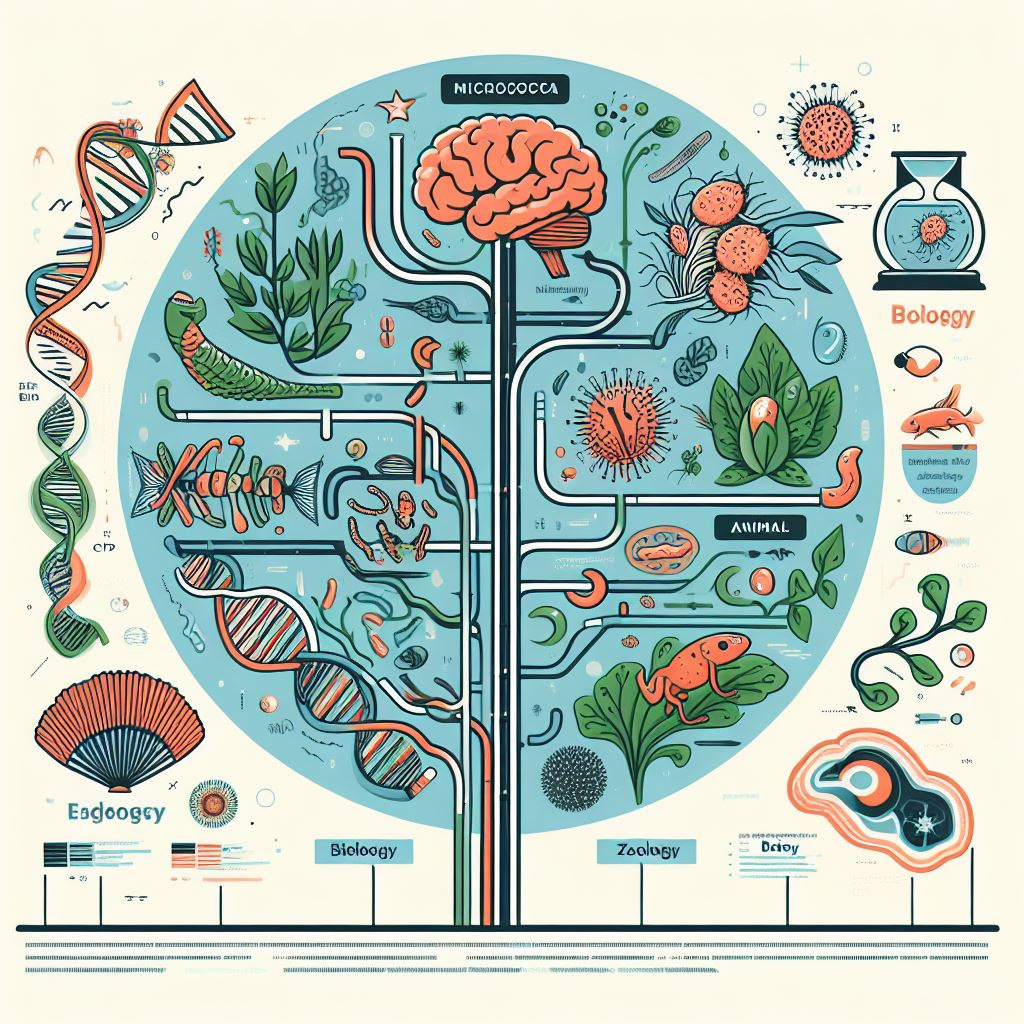
Your thoughts don't just exist as abstract ideas inside your head. They trigger real, physical reactions throughout your entire body. Every time you experience stress, joy, anxiety, or relief, your brain releases a cascade of neurochemicals that alter cellular function. Understanding the biology of belief means recognizing that your mental framework directly influences your physical health.
When you believe something is true about your body or your environment, your nervous system responds accordingly. This mind-body connection operates through concrete biological pathways, including the endocrine system, the immune system, and genetic expression. By examining how belief shapes physical reality, you can better understand how psychological states translate into physical outcomes.
Understanding the Mind-Body Connection
For decades, modern medicine treated the mind and the body as separate entities. The brain handled thoughts and emotions, while the body managed mechanical functions like digestion, circulation, and immune defense. Contemporary research in neurobiology and psychoneuroimmunology has dismantled that separation.
Your thoughts stimulate the hypothalamus, a small structure at the base of your brain that acts as a command center. The hypothalamus signals the pituitary gland, which then directs hormones to travel through your bloodstream to target organs. If you perceive a threat—even a purely psychological one, like worrying about an upcoming presentation—your body initiates the fight-or-flight response. Adrenaline and cortisol flood your system, increasing your heart rate and suppressing non-essential functions like digestion and tissue repair.
This response is immediate, but its chronic activation leads to physical breakdown. When you maintain persistent negative beliefs about your health, safety, or capabilities, your nervous system stays in a low-grade state of alarm. Over time, elevated cortisol levels degrade immune function, increase blood pressure, and contribute to cellular inflammation.
The Chemistry of Perception
Perception precedes physiological reaction. Two people can encounter the exact same stressful event, yet experience entirely different bodily responses based on their internal beliefs.
- Appraisal vs. Threat: If you view a challenge as manageable, your brain releases dopamine and moderate levels of cortisol, sharpening your focus without overwhelming your system.
- Catastrophizing: If you view the same challenge as an insurmountable catastrophe, your amygdala triggers an overwhelming stress response, flooding your body with inflammatory chemicals.
Your nervous system doesn't wait for objective reality to make its move; it acts on your subjective interpretation. That interpretation is shaped by your long-held beliefs, memories, and daily habits of thought.
Epigenetics: How Belief Influences Genetic Expression
One of the most profound shifts in modern biology is the discovery of epigenetics. For a long time, people believed that genes were an unchangeable blueprint. You inherited a specific set of instructions from your parents, and you were stuck with them.
Epigenetics proves that while your genetic sequence stays the same, the expression of those genes changes constantly. Environmental factors, lifestyle habits, and psychological states act as molecular switches that turn specific genes on or off.
Your lifestyle choices and thought patterns create chemical signals that interact with your DNA-associated proteins, known as histones. When you experience chronic stress, your cells alter histone tags in ways that can promote inflammation and suppress protective immune genes. Conversely, practices that reduce stress and foster positive emotional states promote healthier gene expression profiles.
Cellular Receptors and Signaling
Every cell in your body features specialized membrane receptors that respond to chemical signals from the outside world. These receptors don't just react to circulating hormones and nutrients; they also register signals influenced by your nervous system.
When nerve endings release neurotransmitters near target tissues, those chemicals bind to cellular receptors, altering protein synthesis inside the cell. In this way, mental activity at the macroscopic level of the brain directly alters microscopic activity at the cellular level.
The Placebo and Nocebo Effects as Biological Proof
The most undeniable proof of the biology of belief is the placebo effect. When patients receive an inert substance—like a sugar pill—while believing it is an active medication, their bodies often experience measurable physical recovery.
This isn't just "positive thinking" or imagination. Clinical brain scans show that placebo treatments stimulate the release of endogenous opioids (pain-relieving chemicals) in patients who believe they are receiving painkillers. In Parkinson's disease trials, placebos have been shown to trigger actual dopamine production in the brain.
The Dark Side: The Nocebo Effect
The flip side of this phenomenon is the nocebo effect, where negative expectations produce harmful physical symptoms.
- Expectation of Pain: If patients are told that an upcoming medical procedure will be intensely painful, they report significantly more pain and show higher neural activity in pain-processing brain regions, even when the physical stimulus remains identical.
- Symptom Attribution: When individuals read a list of potential side effects for a new medication, many experience those exact side effects even if they received a harmless placebo.
Your brain builds predictive models based on your beliefs, and your body rushes to fulfill those predictions. If you expect to fail, feel sick, or break down under pressure, your nervous system primes your biology to match that expectation.
Practical Steps to Rewire Your Thought-Biology Loop
Knowing that your thoughts affect your biology is useful, but changing those patterns requires deliberate action. You can't simply tell yourself to think positively and expect your nervous system to comply. Real biological shifts require consistent behavioral and cognitive interventions.
- Audit your mental narratives: Pay attention to how you talk to yourself throughout the day. Notice when you use catastrophic language about your health, finances, or work, as these phrases trigger acute stress responses.
- Reframe physiological arousal: When your heart races before a big event, don't label it as terror. Remind yourself that your body is simply mobilizing energy to help you perform. This cognitive reframing reduces cortisol output.
- Regulate vagal tone: Use slow, controlled breathing exercises to activate the parasympathetic nervous system. Exhaling longer than you inhale signals your vagus nerve to slow your heart rate and lower inflammation.
- Prioritize restorative sleep: Chronic sleep deprivation impairs the prefrontal cortex, making it harder to regulate emotional reactivity and maintain constructive thought patterns.
- Engage in regular physical movement: Exercise helps burn off excess stress hormones and promotes the growth of new neural connections in the hippocampus, improving your capacity for emotional regulation.
For more detailed scientific background on how psychological stress impacts physical health, you can review resources from the National Institutes of Health. To explore broader research on behavioral medicine and health psychology, visit the American Psychological Association.
Common Mistakes When Trying to Change Mental Patterns
Many people struggle to harness the mind-body connection because they fall into predictable traps. Avoiding these missteps will save you time and frustration.
- Forcing toxic positivity: Trying to suppress negative emotions with fake optimism doesn't fool your nervous system. It creates internal conflict, which actually increases physiological stress. Acknowledge what you feel without catastrophizing it.
- Treating thoughts as absolute facts: Believing every anxious thought that pops into your head gives those thoughts unnecessary biological power. Learn to observe thoughts as mental events rather than mandatory commands.
- Expecting overnight transformation: Neural pathways take time to rewire. Changing deeply ingrained stress responses requires weeks or months of consistent practice, not a single weekend seminar.
Frequently Asked Questions
Can thoughts actually cure physical diseases?
Thoughts alone cannot cure complex structural or infectious diseases, but they play a major role in symptom management, immune function, and recovery rates. Psychological stress impairs healing, while a stable, low-stress mental state supports the body's natural restorative processes.
How long does it take to rewire neural pathways?
Neuroplasticity is a continuous process, but noticeable changes in emotional regulation and baseline stress levels typically require anywhere from 60 to 90 days of consistent behavioral and cognitive practice.
What is the difference between the placebo effect and positive thinking?
The placebo effect is an involuntary physiological response to an expectation of healing or relief. Positive thinking is a conscious cognitive strategy. While positive thinking can support mental well-being, the placebo effect demonstrates how deeply rooted expectations trigger involuntary biochemical changes.
Does chronic worry permanently damage the brain?
Chronic worry does not cause permanent damage, but it can strengthen neural circuits associated with anxiety in the amygdala while weakening connections in the prefrontal cortex. These pathways remain plastic, meaning you can weaken them through mindfulness and stress-reduction techniques.



