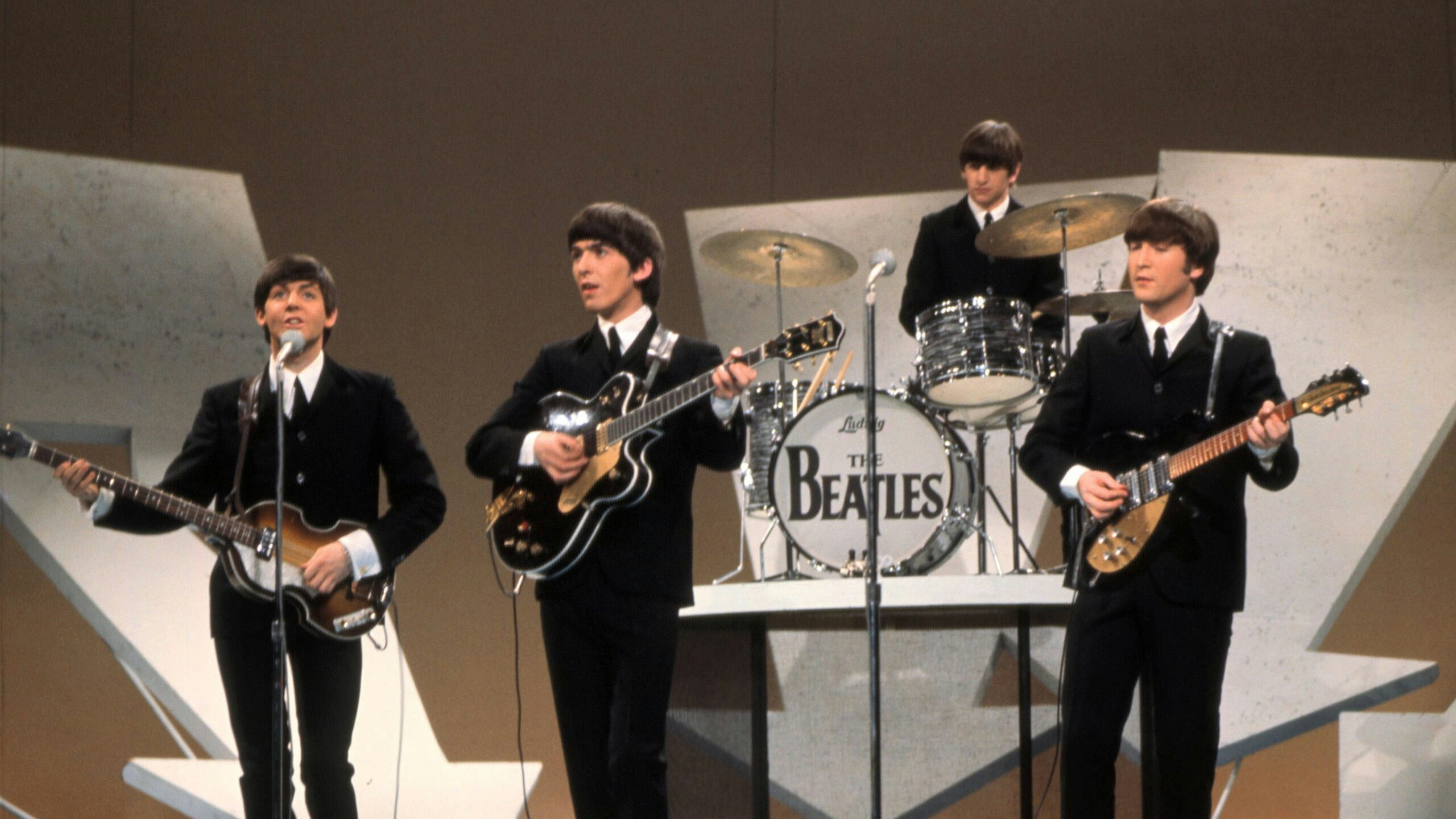
Released in November 1968, The Beatles (widely known as The White Album) stands as a massive monument of 20th-century music. Spanning thirty tracks across four sides of vinyl, it represents both the absolute peak of the band's collective songwriting powers and the beginning of their bitter end. Unlike the unified psychedelic polish of Sgt. Pepper's Lonely Hearts Club Band, this double album captured four distinct solo artists sharing a studio space while drifting rapidly apart.
The recording sessions at Abbey Road were defined by tension, fractured egos, and unprecedented stylistic experimentation. Rather than operating as a cohesive unit, John Lennon, Paul McCartney, George Harrison, and Ringo Starr frequently recorded in separate studios simultaneously. This chaotic working method produced a sprawling mosaic of musical genres—ranging from heavy proto-metal and avant-garde sound collages to acoustic folk and traditional blues—proving that absolute creative freedom could coexist with interpersonal collapse.
The Seeds of Discontent: Rishikesh and the Return to London
The journey toward the double album began in early 1968, when the band traveled to Rishikesh, India, to study transcendental meditation under Maharishi Mahesh Yogi. This retreat proved to be one of the most prolific songwriting periods in history. Away from the pressures of fame, management battles, and media scrutiny, Lennon, McCartney, and Harrison spent their days writing dozens of acoustic songs on cheap guitars.
When they returned to England, they brought back nearly thirty new tracks. However, the spiritual harmony of India quickly dissolved back in London.
- Internal Friction: Ringo Starr briefly walked out of the sessions during the recording of "Back in the U.S.S.R.," exhausted by constant criticism and feeling like an outsider.
- External Pressures: The formation of Apple Corps brought financial chaos, attracting hangers-on and business disputes that disrupted the studio atmosphere.
- Yoko Ono's Presence: John Lennon's insistence on bringing Yoko Ono to every session broke an unwritten rule that outsiders were never permitted in the control room, deeply alienating the other members.
Studio Isolation and Autonomous Production
By the summer of 1968, Abbey Road Studios had become a pressure cooker. To cope with the rising animosity, engineering staff often set up multiple recording spaces. It wasn't unusual for Paul to record a solo piano track in Studio Two while John worked on a tape loop experiment down the hall, and George tracked guitar overdubs elsewhere.
This fragmentation fundamentally changed their sound. Instead of relying on George Martin’s lush orchestral arrangements, the tracks sounded raw, immediate, and intensely personal. "Helter Skelter" emerged from Paul's desire to record the loudest, dirtiest rock song possible, pushing amplification to distortion limits that anticipated heavy metal by years. Meanwhile, tracks like "Blackbird" and "Mother Nature's Son" featured acoustic arrangements performed by single members with minimal assistance from the rest of the group.
The Anti-Design Masterpiece: The Plain White Sleeve
The packaging of the record matched its anti-establishment ethos. Rejecting the colorful, elaborate visual statements of the psychedelic era, artist Richard Hamilton designed a completely plain white minimalist sleeve.
The only distinguishing features were an embossed band name and a unique stamped serial number on early copies, intended to create the ironic sensation of a limited edition numbering in the millions. This blank canvas served as a stark contrast to the dense, multi-layered audio chaos contained inside. You can explore more about this era and view physical artifacts at The Beatles Story Museum.
Frequently Asked Questions
Why was the album officially self-titled?
The band chose to release the project without a distinct title to emphasize its sprawling, unguided nature. While working titles like A Doll's House were considered, they ultimately let the stark white cover speak for itself, though fans and historians immediately dubbed it The White Album.
Did the members play on every track together?
No. Several songs were solo performances in practice. For instance, Paul played nearly all the instruments on "Back in the U.S.S.R." and "Martha My Dear" due to scheduling quirks and band member absences.
What was the longest song on the album?
"Revolution 9" is the longest track, clocking in at over eight minutes. This avant-garde sound collage created primarily by John Lennon and Yoko Ono polarized listeners and remains one of the most controversial pieces ever released by a mainstream pop group.
How did the sessions impact the future of the band?
The grueling five-month recording schedule exposed deep emotional scars that never fully healed. Although they managed to record Abbey Road the following year under slightly better conditions, the collaborative trust required to function as a democratic unit was permanently broken during the 1968 sessions. For further reading on recording milestones, check out the Audio Engineering Society.



